 By Ethan Brooks
Updated November 2026
Looking for environmentally friendly cloth diapers that actually hold up to daily use? This list focuses on natural fibers, durable construction, washing needs, and how well each option fits a real baby. We checked product listings, brand information, and common owner feedback patterns. We did not test these products ourselves.
Our top picks at a glance
- 1
 TOP CHOICEBest overallMama Koala 3.0 Pocket Cloth Diapers for Babies with AWJ Lining, 6 PackView on Amazon
- 2
 TOP CHOICEBest for newborns on a budgetPremium 100% Cotton Cloth Diapers for Baby, 6 Pack Reusable, Machine WView on Amazon
- 3
 TOP CHOICEBest for organic fiber loversOsoCozy Organic Flat Cloth Diapers (Dozen) – 27 x 30.5 – One-Layer Birdseye CottonView on Amazon
- 4
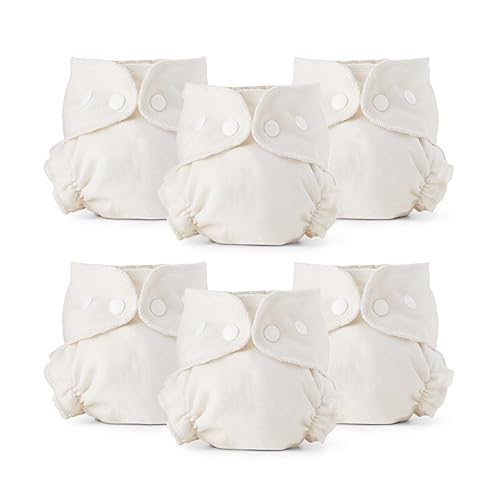
 Best for a trim, leak-resistant fitFitted Diaper Esembly Cloth Diaper Inner – Organic Cotton, 3-Pack, Size 1 (7-17lbs)View on Amazon
- 5
 Best for traditional prefold usersGerber Unisex Baby Birdseye Prefold Cloth Diapers, 3-Ply, 10 PackView on Amazon
Our Top Picks
Quick Comparison
| Product | Best for | Key feature |
|---|---|---|
| Mama Koala 3.0 Pocket Cloth Diapers | All-around daily use | Pocket design with inserts |
| Premium 100% Cotton Cloth Diapers, 6 Pack | Newborns and simple care | Multipurpose flat fold cotton |
| OsoCozy Organic Flat Cloth Diapers | Organic fiber preference | 100% birdseye organic cotton |
| Esembly Fitted Diaper Organic Cotton Inserts | Leak control | Trim fit, organic cotton layer |
| Gerber Birdseye Prefold Cloth Diapers | Traditional prefold users | Three-ply birdseye construction |
Mama Koala 3.0 Pocket Cloth Diapers for Babies with AWJ Lining, 6 Pack
Mama Koala 3.0 Pocket Cloth Diapers for Babies with AWJ Lining, 6 Pack with 6 4-Layer Natural Cloth Diaper Inserts – Reusable and Washable Pocket Diapers(Simply Neutrals)
Best for: All-around daily use
This suits parents who want an all-in-one feel without managing loose parts for every change. Owners often report that the pocket opening makes stuffing inserts quick once the routine is set.
Pros
- Pocket design is easy to stuff and adjust
- Includes multiple inserts for longer wear between washes
Cons
- Pockets take extra time to stuff compared with prefolds
Premium 100% Cotton Cloth Diapers for Baby, 6 Pack Reusable, Machine Wash, Multipurpose Flat Fold Unisex Cloth Diaper
Premium 100% Cotton Cloth Diapers for Baby, 6 Pack Reusable, Machine Wash, Multipurpose Flat Fold Unisex Cloth Diaper
Best for: Newborns and simple care
This works well for parents who want a plain cotton diaper that can be folded several ways. Manufacturers specify machine washing, which keeps the routine straightforward.
Pros
- Plain 100% cotton with no synthetic layers
- Flat fold design works for multiple sizes and styles
Cons
- Needs a waterproof cover and folding skill for best results
OsoCozy Organic Flat Cloth Diapers (Dozen) – 27 x 30.5 – One-Layer Birdseye Cotton
OsoCozy – Organic Flat Cloth Diapers (Dozen) – 27 x 30.5 – One-Layer Nappies Made of Soft, Durable 100% Birdseye Cotton – The Best Organic Diapers – Sold by the Dozen.
Best for: Organic fiber preference
This fits parents who prioritize organic cotton and are comfortable with flat diapers and a separate cover. The dozen-pack format suits families planning a full day of changes between washes.
Pros
- Made from organic birdseye cotton as listed by the manufacturer
- Large pack size reduces how often you need to wash
Cons
- Requires folding and a cover, which adds steps
Fitted Diaper Esembly Cloth Diaper Inner – Organic Cotton, 3-Pack, Size 1 (7-17lbs)
Fitted Diaper, Soft, Ultra-Absorbant, Trim-Fitting Layer, Pairs with Waterproof Outer for Blow-out Proof Diapering Esembly Cloth Diaper Inner – Organic Cotton, 3-Pack, Size 1 (7-17lbs)
Best for: Leak control
This suits parents who want a trim, absorbent insert that pairs with a waterproof outer layer. Listings describe the fit as designed to reduce bulk under clothing.
Pros
- Trim-fitting layer with organic cotton construction
- Pairs with a waterproof cover for blowout protection
Cons
- Size 1 range means you will need to change sizes as baby grows
Gerber Unisex Baby Birdseye Prefold Cloth Diapers, 3-Ply, 10 Pack
Gerber Unisex Baby Boys Girls Birdseye Prefold Cloth Diapers Multipack White 3-Ply 10 Pack
Best for: Traditional prefold users
This is a classic option for parents who already use prefolds or want a low-tech, widely available style. Owners often report that the three-ply build holds up well through repeated washing.
Pros
- Three-ply birdseye construction is absorbent and familiar
- Ten-pack gives a solid starting supply
Cons
- Needs folding and a cover, and drying takes longer than pockets
Buying Guide
Fiber content
Cotton is the most common natural fiber in cloth diapers and is widely used in both organic and conventional options. Check the listing for words like organic cotton or 100% cotton, since blends may include synthetic fibers.
Closure and fit
Pockets, fitteds, and prefolds each handle fit differently. Pick the style that matches how much time you want to spend folding or stuffing each day.
Washing and drying needs
Thicker diapers take longer to dry, which matters if you have limited line space or a small dryer. Check manufacturer care instructions before buying, especially for water temperature and detergent limits.
FAQ
Are cloth diapers really better for the environment than disposables?
Cloth diapers generally produce less landfill waste than disposables, since one set can be reused for many children. The overall impact depends on factors like washing habits, water heating, and how long the diapers are used. Choosing natural fibers such as cotton and line-drying when possible can further reduce the footprint.
What is the difference between prefolds, flats, and pocket diapers?
Prefolds and flat diapers are plain absorbent cloths that need a waterproof cover and often a fold or two to fit your baby. Pocket diapers have a built-in opening where you insert absorbent liners, which makes them quicker for caregivers to use. Fitted diapers offer a snug shape and usually pair with a separate waterproof outer layer.
Do I need a waterproof cover with cloth diapers?
Most cloth diaper styles on this list need a waterproof outer layer to prevent leaks onto clothing and bedding. Covers can be reused for several changes before they need washing, which helps keep the routine manageable. Wool and PUL covers are common choices, so check the cover’s material before you buy.
How should I wash cloth diapers to keep them absorbent?
Most manufacturers recommend a cold rinse followed by a warm wash with a small amount of mild, fragrance-free detergent. Avoid fabric softeners and diaper creams with heavy oils, since they can coat the fibers and reduce absorbency. Always follow the care label for the specific product you choose.
Are these diapers suitable for newborns?
Some options on this list are designed for newborns, while others are sized for babies who are already a few pounds heavier. Check the size range listed for each product and consider how often your baby will need changes. If you are unsure, starting with a versatile prefold or flat diaper can give you more flexibility as your baby grows.
How many cloth diapers do I need to get started?
Many families find that 18 to 24 diapers, plus several covers, allow them to wash every two to three days without running out. The exact number depends on your baby’s changing frequency and your laundry schedule. Starting with a smaller set and adding more as you learn your routine can keep costs manageable.
Conclusion
For families who want an easy, all-in-one feel for daily use, a pocket diaper set like the Mama Koala is a practical starting point, while budget-minded parents of newborns may prefer the cotton multipack. Those who like the flexibility of folding and layering will find prefolds and flats, such as the Gerber and OsoCozy options, especially versatile.
If you want a snug fit with a separate absorbent insert, the Esembly inner or fitted diaper styles work well alongside a waterproof cover. Choose based on your baby’s size, your washing setup, and how much hands-on folding you are willing to do each day.
Related reading
- Switch to Cloth Diapers Eco-friendly Benefits: A Practical Guide (2026)
- Cloth Diapers Eco Friendly: Are They Really Greener? (2026)
- What Are Snap in Insert Cloth Diapers and How Do They Work?
- What Are Prefold Cloth Diapers? A Beginner's Guide (2026)
About Ethan Brooks
Ethan Brooks is part of our editorial team and reviews and edits our natural & eco parenting guides, checking product details against manufacturer specifications and owner feedback.