
 By Ethan Brooks
Updated November 2026
Choosing the best laundry detergent for cloth diapers comes down to three things: whether it rinses out fully, whether it removes stains and odor without residue, and whether its ingredients are gentle enough for a baby’s skin. The picks below were compared using manufacturer labeling, brand reputation and owner feedback patterns, with an eye toward enzyme-based, fragrance-free and cloth-diaper-labeled formulas.
At a glance:
Our top picks at a glance
- 1
 TOP CHOICEBest overallRockin' Green Plant Based Enzyme Powered Laundry DetergentView on Amazon
- 2
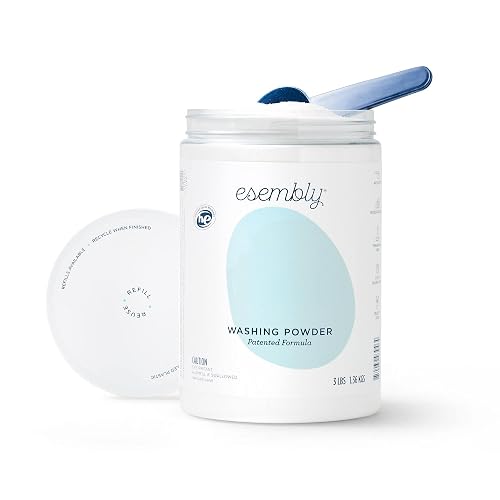 TOP CHOICEBest for mineral-based washingEssembly Mineral Based HE DetergentView on Amazon
- 3
 TOP CHOICEBest for newborn stainsMolly's Suds Baby Laundry Detergent PowderView on Amazon
- 4
 Best for a liquid optionArm & Hammer Baby Hypoallergenic Laundry Detergent LiquidView on Amazon
- 5
 Best for sensitive skinAttitude Baby Laundry DetergentView on Amazon
- 6
 Best for tough baby stainsSeventh Generation Baby Laundry DetergentView on Amazon
- 7
 Best for a budget-friendly planBabyganics 3X Baby Laundry Detergent, HE compatible, Stain-Fighting, FView on Amazon
Our Top Picks
| Product | Best for | Key feature |
|---|---|---|
| Rockin’ Green Plant Based Enzyme Powered Laundry Detergent | Best overall | Plant-based enzymes, 90 loads |
| Essembly Mineral Based HE Detergent | Mineral-based washing | Patented, fragrance-free, refillable |
| Molly’s Suds Baby Laundry Detergent Powder | Newborn stains | Extra gentle, fragrance-free |
| Arm & Hammer Baby Hypoallergenic Laundry Detergent Liquid | Liquid option | No dyes, no phosphates |
| Attitude Baby Laundry Detergent | Sensitive skin | 98% naturally derived |
| Seventh Generation Baby Laundry Detergent | Tough baby stains | Bio-enzyme stain power |
| BabyGanics 3X Baby Laundry Detergent | Budget-friendly plan | HE compatible, fragrance-free |
Rockin’ Green Plant Based Enzyme Powered Laundry Detergent
Plant based Enyzme Powered Laundry Detergent, All Natural Odor Fighter, Good For Cloth Diapers, Baby Laundry Detergent Rockin' Green Baby Laundry Detergent Unscented Dirty Diaper 90 Loads
Best for: Best overall
This suits parents who want an enzyme-driven powder that targets dirty diapers without heavy perfume. Owners often report it handles odor well over many loads.
Pros
- Plant-based enzyme formula
- Unscented, sold in a 90-load size
Cons
- Powder may need warm water to fully dissolve
Essembly Mineral Based HE Detergent
Mineral Based HE Detergent, Cloth Diaper Safe for All Household Laundry – Patented, Fragrance-Free, EWG Verified – Canister Esembly Laundry Washing Powder, 3lbs Refillable Cannister with Scoop
Best for: Mineral-based washing
A fit for families who want a mineral-based, fragrance-free wash that is labeled safe for all household laundry, not only diapers.
Pros
- Fragrance-free and EWG Verified per the listing
- Refillable canister with scoop
Cons
- Mineral formulas can feel less familiar than enzyme blends
Molly’s Suds Baby Laundry Detergent Powder
Molly's Suds Baby Laundry Detergent Powder | Removes Formula, Poop & Spit-Up Stains | Extra Gentle for Newborns (Fragrance Free)
Best for: Newborn stains
Designed for the formula, poop and spit-up stains common in the first months, with a fragrance-free profile.
Pros
- Marketed for formula and spit-up stains
- Fragrance-free
Cons
- Powder requires measuring care for consistent results
Arm & Hammer Baby Hypoallergenic Laundry Detergent Liquid
Tough on Baby Stains, No Preservatives, Dyes and Phosphates, Cuddly Clean Scent ARM & HAMMER Baby Hypoallergenic Laundry Detergent Liquid, 100.5 Fl Oz
Best for: Liquid option
For parents who prefer liquid over powder and want a widely available brand with no added dyes or phosphates per the label.
Pros
- No preservatives, dyes or phosphates per manufacturer
- Large 100.5 fl oz bottle
Cons
- Carries a light scent, which some sensitive households avoid
Attitude Baby Laundry Detergent
EWG Verified, Removes Stains & Odors, Extra Gentle for Newborns, Fragrance & Dye Free, 98% Naturally Derived ATTITUDE Baby Laundry Detergent, Dermatologist Tested, Unscented, 80 Loads
Best for: Sensitive skin
Suited to households dealing with eczema-prone skin who want a naturally derived formula with no fragrance or dye.
Pros
- 98% naturally derived per listing
- Fragrance and dye free
Cons
- Stain removal on heavy messes may need a pre-soak
Seventh Generation Baby Laundry Detergent
Bio-Enzyme Power Target & Lifts Tough Baby Stains; Powerful Biobased Clean; Biobased Ingredients Go Deep to Lift Away Stains Seventh Generation Baby Laundry Detergent, Fresh Scent, 40 oz, 53 Loads
Best for: Tough baby stains
A good match for parents whose main challenge is set-in stains, using a bio-enzyme system the brand describes as biobased.
Pros
- Bio-enzyme stain targeting
- Fresh scent option in a 40 oz size
Cons
- Scented version may not suit fragrance-sensitive babies
Buying Guide
Cloth Diaper Compatibility
Look for a detergent that is labeled safe for cloth diapers, since some formulas contain softeners, optical brighteners or heavy fragrance that can build up on fabric and reduce absorbency over time. Confirm the label matches your diaper material, whether that is cotton, bamboo, hemp or microfiber blends.
Rinsing and Residue
Detergent that rinses cleanly helps prevent residue, which can cause repelling, odor and rashes. Powders and liquids behave differently in the wash, so consider how well each one dissolves in your machine and whether you can run an extra rinse cycle.
Stain and Odor Removal
Enzyme-based formulas are designed to break down proteins and fats from breast milk, formula and stool, which makes them a common choice for cloth diapers. Check whether the product specifically mentions stain removal and odor control, since these are the main jobs your detergent needs to handle.
Ingredient Gentleness
Fragrance-free and dye-free options are often recommended for sensitive baby skin. Review the ingredient list for preservatives, phosphates or plant-derived components if you have specific concerns, and consider whether a hypoallergenic or dermatologist-tested label matters to you.
Size, Format and Value
Powders, liquids and concentrated formulas differ in load count and storage convenience. Compare the number of loads per container and how much you plan to wash each week, so you can choose a size that fits your household routine without running out too quickly.
FAQ
Can I use regular laundry detergent on cloth diapers?
Many standard detergents contain fragrances, dyes and softeners that can leave residue on diapers and reduce absorbency. A detergent made for baby or cloth diaper use is usually a safer choice. Always check your diaper manufacturer’s guidance before switching products.
How often should I wash cloth diapers with detergent?
Most families wash diapers every two to three days, though this depends on how many diapers you use and your baby’s needs. Avoid overloading the machine, since diapers need room to rinse properly. Wash on a warm or hot setting when the fabric allows it.
Do I need to add fabric softener to cloth diapers?
Fabric softeners can coat fibers and reduce absorbency, so most cloth diaper users skip them entirely. Vinegar or an extra rinse can help with odor and residue instead. Check your diaper care instructions before adding any product to the wash.
What is the difference between powder and liquid detergent for cloth diapers?
Powders often dissolve well in hard water and may suit larger loads, while liquids tend to mix easily and rinse out quickly in cooler washes. Neither format is inherently better, so choose based on your water type and machine. Both can work well if the formula is cloth-diaper-safe.
How can I tell if my detergent is causing buildup?
Signs of buildup include diapers that repel liquid, smell sour even after washing, or cause rashes on your baby’s skin. If you notice these issues, try stripping the diapers according to the manufacturer’s instructions and reduce the amount of detergent you use. Switching to a cleaner formula may also help.
Is enzyme-based detergent better for cloth diapers?
Enzyme-based detergents are generally effective at breaking down the proteins and fats found in baby waste, which is why they are popular for cloth diaper care. They work best in warm water and with proper rinsing. Whether they suit your household depends on your water, machine and diaper materials. Free and Clear Detergent for Cloth Diapers: 5 Best Picks (2026) goes further into this.
Conclusion
If you want an enzyme-focused, plant-based option for everyday stains and odor, the top overall pick is a strong starting point. Families who prefer mineral-based washing or a fragrance-free powder may find the other specialized formulas better matched to their routine and sensitivity needs.
For parents with sensitive skin or those who want the simplest possible ingredient list, a hypoallergenic or dermatologist-tested formula is a good choice. Budget-minded families with larger laundry loads may prefer a high load-count option, while those who need easy storage might lean toward a liquid or a compact canister.
Related reading
- Norwex Laundry Detergent Cloth Diapers: Does It Work? A Guide (2026)
- 4 Best Detergents for Washing Cloth Diapers in Hard Water (2026)
- 4 Best Cloth Diapers Soap Nuts for Natural, Gentle Laundry (2026)
- 3 Best Laundry Soaps for Cloth Diapers: Picks Compared (2026)
About Ethan Brooks
Ethan Brooks is part of our editorial team and reviews and edits our natural & eco parenting guides, checking product details against manufacturer specifications and owner feedback.


