
 By Ethan Brooks
Updated November 2026
Parents who want to make homemade organic baby food usually start with a cookbook, because it gives them tested-style ingredient lists, stage-by-stage timing and storage advice in one place. The seven books below were selected by comparing product listings, publisher descriptions, the stage coverage each one claims, and the feedback owners commonly post about recipe clarity and ingredient availability. None of these were cooked from or tested in a kitchen by us.
Our top picks at a glance
- 1
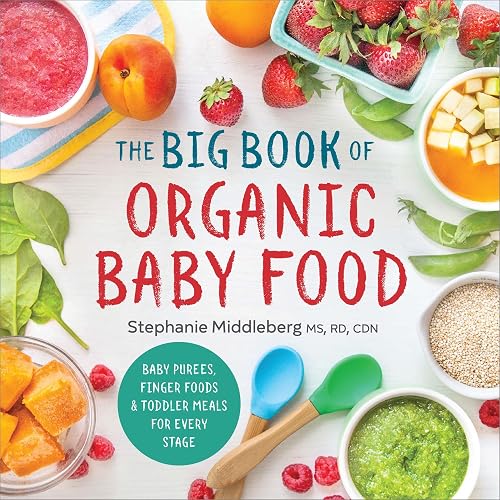 TOP CHOICEBest overallThe Big Book of Organic Baby Food: Baby Purées, Finger Foods, and ToddView on Amazon
- 2
 TOP CHOICEBest for big-batch freezingThe Amazing Make-Ahead Baby Food Book: Make 3 Months of Homemade PureeView on Amazon
- 3
 TOP CHOICEBest for single-ingredient startsBest Organic Homemade Baby Food: Stage By Stage Single Ingredients PurView on Amazon
- 4
 Best for gut-health focusBrain Food for Your Baby: An Organic Baby Food Cookbook and Nutrition Guide for Gut HealthView on Amazon
- 5
 Best for a large recipe count201 Organic Baby Purees: The Freshest, Most Wholesome Food Your Baby Can Eat!View on Amazon
- 6
 Best for a simple, no-frills startHealthy Homemade Baby Purees: Easy, Organic, Nutritious Food Recipes For Healthy BabiesView on Amazon
- 7
 Best for a grain-free approachOrganic Baby – Healthy, Homemade, Gluten Free, Toddler & Baby Food RecView on Amazon
Our Top Picks
Quick Comparison
| Product | Best for | Key feature |
|---|---|---|
| The Big Book of Organic Baby Food | Full stage coverage | Purées through toddler meals |
| 201 Organic Baby Purees | Recipe variety | Large purée recipe count |
| Healthy Homemade Baby Purees | Beginners | Straightforward, plain recipes |
| Brain Food for Your Baby | Gut-health focus | Nutrition guide included |
| The Amazing Make-Ahead Baby Food Book | Batch cooking | Months of food in one session |
| Best Organic Homemade Baby Food | Single-ingredient starts | Stage-by-stage progression |
| Organic Baby Paleo-style recipes | Grain-free families | Gluten-free, paleo-leaning recipes |
The Big Book of Organic Baby Food: Baby Purées, Finger Foods, and Toddler Meals For Every Stage
The Big Book of Organic Baby Food: Baby Purées, Finger Foods, and Toddler Meals For Every Stage (Organic Foods for Baby and Toddler)
Best for: Full stage coverage from first purées to toddler meals.
This is a good fit for parents who want one book to carry them from the first spoonfuls through finger foods and family-style meals.
Pros
- Covers the progression across several feeding stages
- Organized by stage, which makes it easy to find recipes
Cons
- Broad scope means fewer deep dives per stage
201 Organic Baby Purees: The Freshest, Most Wholesome Food Your Baby Can Eat!
201 Organic Baby Purees: The Freshest, Most Wholesome Food Your Baby Can Eat!
Best for: Recipe variety in the purée stage.
Parents who want many single and combination purée ideas to rotate through the first months will find this useful.
Pros
- Large number of purée recipes to rotate
- Focused on fresh, whole ingredients
Cons
- Less guidance on later textures and toddler meals
Healthy Homemade Baby Purees: Easy, Organic, Nutritious Food Recipes For Healthy Babies
Healthy Homemade Baby Purees: Easy, Organic, Nutritious Food Recipes For Healthy Babies
Best for: A simple, no-frills start for beginners.
First-time cooks who want short ingredient lists and minimal equipment often find this style easier to follow.
Pros
- Straightforward recipes with short ingredient lists
- Emphasizes easy, everyday organic produce
Cons
- Fewer advanced combinations for older babies
Brain Food for Your Baby: An Organic Baby Food Cookbook and Nutrition Guide for Gut Health
Brain Food for Your Baby: An Organic Baby Food Cookbook and Nutrition Guide for Gut Health (Every Age & Stage)
Best for: A gut-health and nutrition focus.
Parents who want the reasoning behind ingredient choices, not just the recipes, will get more out of this one.
Pros
- Includes nutrition background alongside recipes
- Covers every age and stage in the title
Cons
- Nutrition sections add reading time for those who want recipes only
The Amazing Make-Ahead Baby Food Book: Make 3 Months of Homemade Purees in 3 Hours [A Cookbook]
The Amazing Make-Ahead Baby Food Book: Make 3 Months of Homemade Purees in 3 Hours [A Cookbook]
Best for: Batch cooking and freezer storage.
Working parents or anyone who wants to prep a large supply in one session will benefit most from this approach.
Pros
- Built around make-ahead and freezing workflows
- Helps reduce how often you cook during the week
Cons
- Batch sessions need freezer space and planning
Best Organic Homemade Baby Food: Stage By Stage Single Ingredients Purees, Combination Purees, And Finger Food
Best Organic Homemade Baby Food: Stage By Stage Single Ingredients Purees, Combination Purees, And Finger Food That Your Baby And Toddler Will Love
Best for: Single-ingredient starts followed by a clear stage progression.
Parents who want to introduce foods one at a time, then move into combinations, will find the structure helpful.
Pros
- Clear single-ingredient to combination progression
- Includes finger food ideas for later stages
Cons
- Recipes can repeat common produce choices
Buying Guide
Stage Coverage
Check whether the book covers the stages your baby is in now and the ones you expect to reach next. Some books focus on early single-ingredient purées, while others extend into finger foods and toddler meals, so match the range to your timeline.
A book that covers several stages can save you from buying a second cookbook in a few months.
Recipe Clarity and Structure
Look for recipes with clear ingredient lists, step-by-step instructions, and realistic prep times. Books that group recipes by stage or by food type make it easier to plan meals and find what you need quickly.
Clear measurements and consistent formatting matter most when you are cooking during a busy day.
Ingredient Availability
Organic ingredients are not always easy to find in every grocery store, so review whether the recipes rely on common produce, pantry staples, or specialty items. Books that use widely available foods are usually more practical for everyday cooking.
If you shop mostly at a regular supermarket, favor recipes built around seasonal fruits and vegetables you can find year-round.
Storage and Batch Cooking Guidance
If you want to cook once and freeze for weeks, look for detailed storage advice, including container types, freezing times, and how to thaw safely. Books that address batch cooking are especially useful for working parents.
Guidance on refrigerator and freezer shelf life helps you avoid waste and stay food-safe.
Nutrition Information and Dietary Focus
Some books include general nutrition notes or focus on specific needs such as gluten-free or allergen-conscious cooking. Decide whether you want that extra context or prefer a straightforward recipe collection.
Always check any dietary claims against your pediatrician’s advice, especially if your baby has allergies or medical concerns.
FAQ
Do I need a cookbook to make homemade organic baby food?
No, you can make baby food by steaming and blending plain fruits and vegetables. A cookbook mainly helps with stage-by-stage guidance, combination ideas, and storage timing, which can make the process easier to follow.
When can I start feeding my baby purées from these books?
Most babies begin solids around six months, but you should confirm readiness with your pediatrician first. Many of these books organize recipes by age or stage, so you can start with the earliest section that matches your baby’s development. If you want more background, see The Big Book of Organic Baby Food Recipes: 6 Best Cookbooks Compared (2026).
How long can homemade baby food be stored?
Refrigerated purées are generally best used within a few days, and frozen portions can last for a few months when stored properly. Check the storage guidance in whichever book you choose, since recommendations vary by food and container.
Are organic ingredients necessary for homemade baby food?
Organic is a personal choice, and the most important factors are washing produce well and preparing foods safely. Many families use a mix of organic and conventional items based on budget and availability.
Can these cookbooks help with toddler meals too?
Several of the books extend beyond purées into finger foods and toddler-friendly meals, so they can be useful as your child grows. Look at each book’s table of contents to confirm which stages it covers.
Conclusion
If you want one comprehensive resource that grows with your baby from first purées through toddler meals, a broad, stage-spanning book is the most practical choice. Parents focused on freezing large batches ahead of time will get the most value from a make-ahead title.
Families who prefer starting simply with single-ingredient foods should look for a book centered on early stages, while those wanting detailed nutrition context may prefer a guide that includes it. Matching the book’s focus to your baby’s current stage and your cooking routine will help you choose well.
Related reading
- Organic Baby Food Recipes: 5 Easy Steps for Safe, Homemade Meals
- Homemade Organic Baby Food Recipes: A Step-by-Step Guide for Parents
- Yummy Spoonfuls Frozen Organic Baby & Toddler Food: Is It Worth Buying?
About Ethan Brooks
Ethan Brooks is part of our editorial team and reviews and edits our natural & eco parenting guides, checking product details against manufacturer specifications and owner feedback.


