
 By Ethan Brooks
Updated November 2026
Moisture wicking cloth diapers pull wetness away from your baby’s skin so the surface stays drier between changes. This guide compares seven options using four criteria: how the fabric handles moisture, absorbency, fit and sizing, and how easily the diaper washes and dries. Product details below come from manufacturer listings and common owner feedback patterns, not from our own testing.
Our top picks at a glance
- 1
 TOP CHOICEBest overallMama Koala 3.0 Pocket Cloth Diapers for Babies with AWJ LiningView on Amazon
- 2
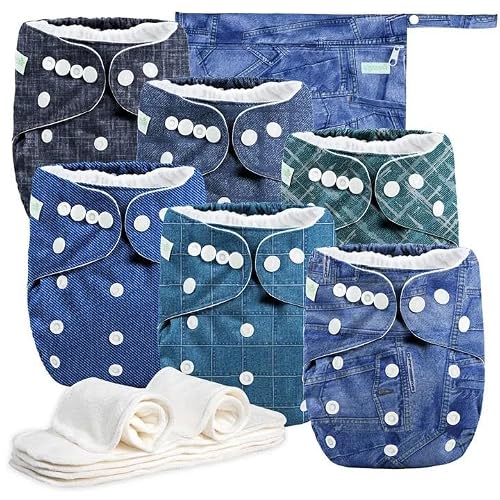 TOP CHOICEBest for budget buyerswegreeco Cloth Diapers 6 Pack with 6 Inserts & 1 Wet BagView on Amazon
- 3
 TOP CHOICEBest for newbornsGerber Unisex Birdseye Prefold Cloth Diapers Multipack White 3-Ply 10 PackView on Amazon
- 4
 Best for overnight useHuggies Overnites Diapers Size 5, 50 CountView on Amazon
- 5
 Best for heavy wettersPampers ZZZ Overnight Diapers, Size 3, 66 CountView on Amazon
- 6
 Best for burp and spit-up backup27 x 27 Inch Cotton Birdseye Cloth Diapers Baby Reusable Burp for BabiView on Amazon
- 7
 Best for adult-sized needsFitRight Adult Diapers, Ultra Heavy Absorbency, L (Waist Size 44in-56iView on Amazon
Our Top Picks
Quick Comparison
| Product | Best for | Key feature |
|---|---|---|
| Mama Koala 3.0 Pocket Cloth Diapers | Overall daily use | AWJ lining, 4-layer inserts |
| wegreeco Cloth Diapers 6 Pack | Budget buyers | Adjustable one-size fit |
| Gerber Birdseye Prefold Cloth Diapers | Newborns | Birdseye cotton, 3-ply |
| Huggies Overnites Diapers Size 5 | Overnight use | Extra absorbency, leg cuffs |
| Pampers ZZZ Overnight Diapers | Heavy wetters | Extended overnight protection |
| 27 x 27 Inch Cotton Birdseye Cloth Diapers | Burp and spit-up backup | Large cotton burp cloths |
| FitRight Adult Diapers | Adult-sized needs | Ultra heavy absorbency, wicking layer |
Mama Koala 3.0 Pocket Cloth Diapers for Babies with AWJ Lining
Mama Koala 3.0 Pocket Cloth Diapers for Babies with AWJ Lining, 6 Pack with 6 4-Layer Natural Cloth Diaper Inserts – Reusable and Washable Pocket Diapers(Simply Neutrals)
Best for: Overall daily use
A good fit for parents who want a pocket style with inserts they can adjust for absorbency. The AWJ lining is marketed to keep the inner layer from holding wetness against the skin.
Pros
- Stay-dry lining listed by the maker
- Four-layer inserts for adjustable absorbency
Cons
- Pocket style takes longer to stuff than a prefold
wegreeco Cloth Diapers 6 Pack with 6 Inserts & 1 Wet Bag
wegreeco Cloth Diapers 6 Pack with 6 Inserts & 1 Wet Bag, Washable Cloth Diapers for Babies, One Size Adjustable Reusable (Jeans)
Best for: Budget buyers
Suited to families who want a starter set with inserts and a wet bag included. The one-size adjustable design is meant to cover a wide weight range.
Pros
- Includes inserts and a wet bag in one set
- Adjustable snaps for a range of sizes
Cons
- Owners often report the fit runs slightly bulky under tight clothing
Gerber Unisex Birdseye Prefold Cloth Diapers Multipack White 3-Ply 10 Pack
Gerber Unisex Baby Boys Girls Birdseye Prefold Cloth Diapers Multipack White 3-Ply 10 Pack
Best for: Newborns
A simple, breathable option for parents who prefer natural cotton and don’t mind folding. Birdseye weave is commonly chosen for its airflow.
Pros
- Breathable birdseye cotton
- Easy to wash and dry repeatedly
Cons
- Requires a cover and folding skill
Huggies Overnites Diapers Size 5, 50 Count
Extra Absorbency, Nighttime Leak Protection, 4X Sleep Protection, Pillowy Soft Leg Cuffs, Wetness Indicator, Hypoallergenic Huggies Overnites Diapers Size 5, 50 Count
Best for: Overnight use
Designed for longer wear periods, with a wetness indicator to help parents judge when a change is due. Some parents use it as a backup on nights when cloth alone isn’t enough.
Pros
- Extra absorbency rated for nighttime
- Wetness indicator built in
Cons
- Disposable, so it adds ongoing waste
Pampers ZZZ Overnight Diapers, Size 3, 66 Count
Pampers ZZZ Overnight Diapers, Size 3 (13-26 lbs), 66 Count, Nighttime Protection Disposable Baby Diaper
Best for: Heavy wetters
Targeted at babies who soak through standard diapers during long sleep stretches. Manufacturers position it for extended protection.
Pros
- Long overnight protection per the maker
- Available in a large count
Cons
- Disposable, and not a reusable option
Buying Guide
Fabric and Moisture Handling
Look for natural fibers like cotton birdseye or bamboo blends, which tend to pull moisture away from the skin. Some pocket diapers add a moisture-wicking liner, such as an AWJ lining, to keep the layer touching your baby dry.
Synthetic inner layers can feel softer to some parents, but check whether the liner is designed to wick or simply to repel. Wicking is what keeps the skin surface drier between changes.
Absorbency and Overnight Capacity
Daytime needs and overnight needs are different. Multi-layer inserts and extra absorbent cores hold more urine during long sleep stretches, so check how many layers each insert has before you buy.
If your baby sleeps through the night, a higher-absorbency option or a disposable overnight diaper may protect better than a lightweight daytime cloth.
Fit, Sizing, and Leg Cuffs
One-size adjustable diapers fit a wide weight range, which can save money as your baby grows. Confirm the stated weight range and look at the leg cuffs, since snug, soft cuffs help limit leaks around the thighs.
Newborns often do better with small sizes or prefolds that can be shaped to a tiny body. Measure your baby’s waist and leg openings when possible.
Washing, Drying, and Maintenance
Cloth diapers need a routine: a pail or wet bag for storage, regular washing, and drying that does not break down the fabric. Check whether inserts are sold separately and how many you get in a pack, since you will need enough to cover a full wash cycle.
Consider your laundry setup and how often you can wash. A larger pack reduces how often you must run a load.
FAQ
Are moisture wicking cloth diapers good for sensitive skin?
Many parents with sensitive-skin babies prefer natural fibers that pull moisture away from the skin. Results vary by baby, so watch for redness and change diapers promptly. If irritation persists, check with your pediatrician.
How many cloth diapers do I need to start?
Most families use somewhere between 18 and 24 diapers per week to cover washing cycles. Starting with a six-pack or ten-pack is a common way to build up a supply gradually. Adding more as your routine settles can help you avoid running out between loads.
Do pocket diapers or prefolds work better overnight?
Prefolds with a waterproof cover can hold a lot of moisture, which makes them popular for nighttime use. Pocket diapers with extra inserts also work well and are often easier for caregivers to use. Either option can work, so choose based on how much absorbency your baby needs.
Can I use disposable overnight diapers along with cloth?
Yes, many families mix the two, using cloth during the day and a disposable overnight diaper for long sleep periods. This can reduce laundry while still giving strong overnight protection. It is a practical option if you are still building your cloth routine.
How do I wash cloth diapers to keep them absorbent?
Follow the manufacturer’s care label, which usually recommends a warm wash, an appropriate detergent, and avoiding fabric softener. Buildup from some products can reduce absorbency over time. Drying on low heat or air drying helps preserve the fabric.
Conclusion
Parents looking for the best overall balance of fit and moisture handling may prefer the Mama Koala 3.0 pocket diapers, while budget-minded buyers often find the wegreeco six-pack a strong starting point. For newborns, the Gerber birdseye prefolds offer a versatile, low-cost option that can be shaped to a small body.
If your baby needs heavy overnight protection, a disposable overnight diaper such as Huggies Overnites or Pampers ZZZ may be the better pick, and many families combine these with cloth during the day.
Related reading
- Types of Cloth Diapers
- Proper Methods for Drying Cloth Diapers
- How to Use and Layer Cloth Diaper Inserts
- Cloth Diapering for Beginners: How Cloth Diapers Work
- Best Cloth Diapers
- A Guide to Cloth Diaper Fabrics and Materials
- Why Use Cloth Diapers? 7 Reasons and Best Picks for 2026
About Ethan Brooks
Ethan Brooks is part of our editorial team and reviews and edits our natural & eco parenting guides, checking product details against manufacturer specifications and owner feedback.


