By Ava Langley
Updated November 2026
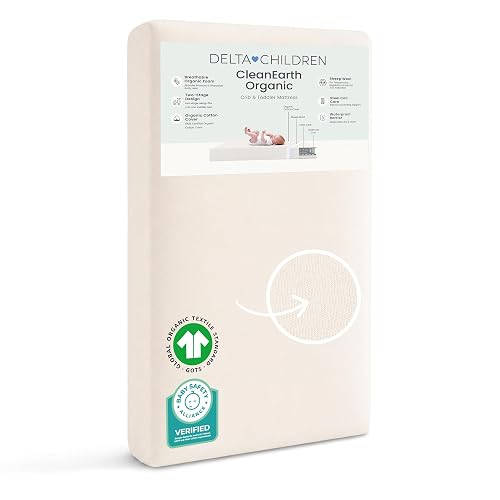
An avocado eco organic crib mattress is a crib mattress built around natural latex, organic cotton, and wool, with the company’s claims backed by third-party certifications rather than marketing language. In this guide, you’ll learn how to verify those certifications, check the fit and firmness that matter for safe sleep, and spot the small details that separate a genuinely low-toxin mattress from one that only sounds natural. The goal is a mattress you can trust for the next two or three years of sleep.
What Avocado Mattresses Are Made From
Avocado is a brand name rather than a material, and it’s worth understanding what’s actually inside the product before you compare it with others. Most crib mattresses sold under this name use a combination of organic cotton for the cover, natural latex or a latex-free cushioning layer, and wool as a fire barrier. The fire barrier is the part that often confuses shoppers, because federal flammability standards require some form of protection, and many eco brands use wool instead of chemical flame retardants.
Shopping for one? See our guide: 7 Best Avocado Organic Crib Mattress Options for Safe Sleep (2026).
Manufacturers typically specify the materials in their product literature. Look for the exact composition of each layer, not just a list of “natural” ingredients. A mattress with vague language like “plant-based materials” deserves a closer look.
Step 1: Verify the Certifications
Certifications are the most reliable way to check organic and non-toxic claims, because they involve independent auditing. Two standards matter most for a crib mattress:
- GOTS (Global Organic Textile Standard) covers organic fibers such as cotton and wool, and it traces materials from harvest through finished product.
- GOLS (Global Organic Latex Standard) verifies that natural latex is certified organic from the rubber tree to the finished foam.
Also check for OEKO-TEX Standard 100, which tests finished textiles for harmful substances. It’s a useful secondary signal, though it tests for a different set of concerns than GOTS does.
When a brand lists a certification, look for the certificate number and search for it on the certifying body’s public database. A logo on a website is not the same as a current, valid certificate.
Certification Comparison
| Certification | What It Covers | What to Check |
|---|---|---|
| GOTS | Organic cotton, wool, and other textile fibers, including processing steps | Certificate number and expiration date in the certifier’s database |
| GOLS | Organic natural latex from harvest to finished foam | Whether the latex layer, not just the cover, is certified |
| OEKO-TEX Standard 100 | Tests finished textiles for regulated harmful substances | Product class and certificate validity |
Step 2: Check Safe Sleep Fit and Firmness
No matter how clean the materials are, a crib mattress must meet safety requirements. In the United States, mattresses for cribs must conform to the federal standard for full-size and non-full-size crib mattresses, which sets dimensional limits so that gaps around the edges can’t trap a baby’s head or body.
Measure your crib’s interior dimensions before shopping. A mattress should fit snugly, with no more than about two finger-widths between the mattress edge and the crib frame. If you can fit your hand in that gap, the mattress is too small.
Firmness Guidelines
Crib mattresses should be firm. Soft surfaces increase the risk of suffocation, and this applies to natural materials just as much as synthetic ones. Latex can feel springy, and wool and cotton can compress over time, so press the center of the mattress with your palm. It should spring back quickly and resist sinking. Manufacturers often describe their firmness in general terms, so trust the test you perform in person or the manufacturer’s stated firmness rating over marketing adjectives.
Step 3: Evaluate Off-Gassing and Odor
Many parents worry about off-gassing, the release of volatile compounds from new materials. Natural latex and organic cotton generally off-gas less than petroleum-based foams, but new mattresses of any kind can have a noticeable smell at first.
- Unbox the mattress in a well-ventilated room and remove all plastic wrapping immediately.
- Let it air out for at least 24 to 48 hours before placing it in the crib.
- If the smell is strong or unpleasant after airing, contact the manufacturer and ask about the materials and testing.
Some manufacturers state their off-gassing testing results on their websites. Where that information is available, it’s a helpful transparency signal.
Step 4: Compare Covers, Waterproofing, and Care
A crib mattress needs a removable, washable cover, because accidents happen. Check whether the cover is organic cotton and whether it’s removable. Some covers are waterproof, which protects the core, but the waterproofing layer should be free of PVC and other plastics. Ask the manufacturer what the waterproof layer is made of, since this varies widely across brands.
Consider the care instructions as well. A cover that must be dry-cleaned will be harder to maintain than one that machine-washes on a gentle cycle.
Common Mistakes to Avoid
- Trusting the word “natural” alone. The term has no regulated definition in most mattress marketing. Certifications are what carry weight.
- Skipping the fit check. A mattress that is even slightly too small creates a sleep-safety gap.
- Choosing a mattress that’s too soft. Plush or pillow-top models are not appropriate for infants, even if they’re made from organic materials.
- Using extra bedding under the baby. Sheets should be fitted and snug. Keep blankets, pillows, and bumpers out of the crib.
- Ignoring the expiration timeline. Crib mattresses wear over time. Replace yours if it sags, develops a broken seam, or no longer fits the crib snugly.
Tips for Making the Right Choice
- Read the full material breakdown and note which layers are certified, not just the cover.
- Ask the manufacturer for certificate numbers if they aren’t posted.
- If you’re also choosing bedding, consider reading about organic cotton versus bamboo fabrics, since the same certification questions apply.
- Plan ahead for the next stage. Many families transition their child to a bed in the future, so it helps to understand that timeline early. See When and How to Transition from Crib to Toddler Bed for guidance on when that shift makes sense.
- Compare ingredient transparency across categories. Brands that disclose sourcing for mattresses often apply the same standards to other baby products. For a broader perspective on label-reading, Organic Baby Food Products: A Buyer's Guide to Labels and Ingredients (2026) covers how to interpret certifications in a different context.
Recommended Gear
A few supporting items help you get the most from a new crib mattress.
- Organic cotton fitted crib sheets. Choose sheets that fit your mattress depth exactly, since loose sheets can bunch up and create a hazard. View on Amazon
- Waterproof crib mattress pad. A removable, PVC-free pad protects the mattress core from spills without adding bulk. View on Amazon
- Digital hygrometer. A simple room hygrometer helps you keep humidity between roughly 40 and 50 percent, which discourages mold and dust mites in the nursery. View on Amazon
FAQ
Is an avocado eco organic crib mattress safe for newborns?
It can be, provided it meets federal crib mattress standards, fits your crib snugly, and is firm. Organic materials don’t change the safe-sleep requirements, so check fit and firmness as carefully as you would for any mattress.
What does GOTS certification mean on a crib mattress?
GOTS means the organic fibers, such as cotton or wool, were produced and processed according to the Global Organic Textile Standard, with independent audits at each stage. You can verify it by looking up the certificate number in the certifier’s public database.
Do natural latex mattresses off-gas?
Natural latex generally releases fewer volatile compounds than petroleum-based foams, though new mattresses can have a temporary smell. Airing the mattress out for 24 to 48 hours before use helps.
How firm should a crib mattress be?
It should be firm enough that pressing the center with your palm produces little or no sinking, and the surface should spring back quickly. Soft or plush mattresses are not recommended for infants.
Can I use a waterproof protector on a crib mattress?
Yes, a thin, fitted, waterproof protector is generally recommended to guard the mattress against accidents. Choose one that is PVC-free and does not add padding that changes the firmness of the surface.
How long does a crib mattress last?
Lifespan varies by materials and use. Replace the mattress if it sags, the cover tears, or it no longer fits the crib snugly. Manufacturers often provide guidance on expected service life.
Who should I ask about material safety questions?
If you have a child with allergies, asthma, or a medical condition, or if you’re unsure about off-gassing or materials, talk with your pediatrician or an allergist before making a final decision.
Conclusion
Choosing an avocado eco organic crib mattress comes down to three checks: verify the certifications for each layer, confirm the fit and firmness meet safe-sleep standards, and allow time for new materials to air out. Certificate numbers and manufacturer transparency will tell you far more than the word “natural” on a product page. Take the time to compare materials carefully, and you’ll end up with a mattress that’s both clean and safe for your baby.
Related reading
- 6 Best Organic Eco Friendly Dog Toys for Every Chew Style in 2026
- WIC Organic Baby Food: 7 Best Picks Compared for 2026
- Tummy Thyme Baby Food Organic: A Label-Reading Guide for Parents
Ready to choose one?

About Ava Langley
Ava covers natural & eco parenting, comparing specs, features and long-term owner feedback to help readers choose with confidence.