 By Audrey Hayes
Updated November 2026
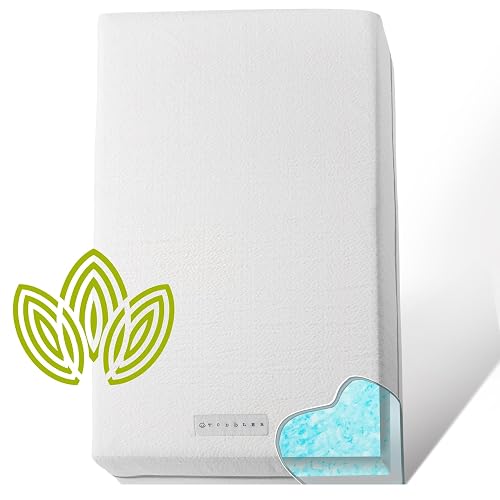
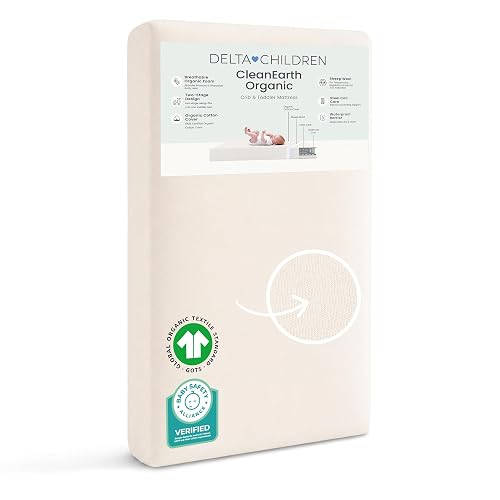
Choosing between an organic dream vs newton crib mattress comes down to what matters most to you: a firm, lightweight organic cotton mattress with a straightforward construction, or a fully encased, wipeable model built to the strictest flame and fit standards. Both are widely recommended by parents who focus on non-toxic nursery materials. Organic Dream tends to suit families who want a lighter, breathable mattress and are comfortable reading labels closely. Newton tends to suit parents who want a fully enclosed, easy-to-clean surface and a mattress whose materials are documented in detail. Read on for a criterion-by-criterion breakdown.
Organic Dream vs Newton at a Glance
The table below compares the two mattresses on the criteria that most parents weigh when they shop for a crib mattress. Manufacturer specifications can change between production runs, so confirm current details on the product label or the brand’s site before you buy.
| Criterion | Organic Dream | Newton |
|---|---|---|
| Core material | Organic cotton covers with a natural latex or coir-based core, depending on model | Food-grade polyethylene foam core, fully encased |
| Cover | Organic cotton, typically removable and washable | Waterproof, wipeable vinyl-free surface on the fully encased model |
| Firmness | Firm, with a flat sleep surface | Firm, consistent across the surface |
| Weight | Lightweight relative to innerspring crib mattresses | Lightweight relative to innerspring crib mattresses |
| Flame resistance approach | Natural materials used to meet federal flammability requirements without added chemical retardants in listed models | Materials selected to meet federal flammability requirements without added chemical retardants in listed models |
| Certifications | Look for GOTS (organic cotton) and GOLS (organic latex) where listed | Look for GREENGUARD Gold and GOTS where listed |
| Care | Remove and wash cover per label; spot clean core | Wipe clean; cover is fully sealed |
| Best for | Parents who want a breathable, natural-material mattress and are comfortable with cover care | Parents who want a fully encased, easy-to-clean surface |
Materials and Ingredient Transparency: Which Is Clearer?
Ingredient transparency is where many parents start, and it is the first place to read carefully. An organic crib mattress should list what goes into the cover, the core, and the glues or stitching. Vague phrases like “eco-friendly materials” do not tell you much on their own.
Organic Dream builds its mattresses around organic cotton and natural cores. Because the core composition varies by model, the most useful step is to check the specific model’s label for the core type and any certification marks. Look for the GOTS logo on the cover and, for latex cores, GOLS certification. If a model does not list its core in plain language, ask the manufacturer before buying.
Newton uses a single-material approach for its core: a polyethylene foam that is designed to be fully encased. The brand documents its materials in detail, and the sealed construction means fewer exposed layers to think about. For a parent who wants a short, clearly stated materials list, this is easier to verify at a glance.
Winner: Newton for a short, uniform materials list. Organic Dream wins if you specifically want natural latex or coir cores and are willing to read model-level labels.
Certifications and Safety Standards: Who Holds the Stronger Credentials?
Both brands sell mattresses that meet the federal crib mattress standard for fit and flammability, which is the baseline every crib mattress sold in the United States must meet. Beyond that baseline, organic and non-toxic claims are only as strong as the third-party verification behind them.
When you compare certifications, focus on these marks:
- GOTS (Global Organic Textile Standard): verifies organic fiber content in the cover and textiles.
- GOLS (Global Organic Latex Standard): verifies organic latex content, relevant only for latex-core models.
- GREENGUARD Gold: indicates low chemical emissions for indoor air quality, a useful signal for enclosed nursery spaces.
Newton is commonly associated with GREENGUARD Gold and GOTS-certified covers on its organic lines. Organic Dream models vary, so verify each listing. Keep in mind that certifications apply to specific products and production runs, not to a brand as a whole.
Winner: Newton for the more consistent presence of recognized low-emission certification across its lineup. Check the label for either brand.
Firmness and Fit: Which Supports Safe Sleep Better?
Firmness matters for safe sleep. A crib mattress should be firm enough that a baby’s face does not sink into the surface, and it should fit the crib frame snugly. The standard guideline is that you should not be able to fit more than two fingers between the mattress edge and the crib side.
Both mattresses are firm by design. Organic Dream is often described by owners as very firm with a flat, even surface, which parents tend to appreciate for infant sleep. Newton’s encased foam core is also firm and consistent, and its sealed design keeps the sleep surface uniform over time.
Measure your crib before ordering. Standard crib mattresses are typically around 52 inches long by 28 inches wide, but crib dimensions vary by manufacturer, so compare the mattress size to your frame’s interior measurements.
Winner: Tie. Both offer firm, flat surfaces suitable for infant sleep. Confirm the fit in your specific crib.
Weight and Handling: Which Is Easier to Move?
Weight affects how easily you can make the bed, rotate the mattress, or move it between rooms. Both options are lighter than many traditional innerspring crib mattresses, which is one reason parents choose organic and foam-core designs.
Organic Dream models with latex or coir cores can vary in heft depending on the core, so check the listed weight for the model you choose. Newton’s foam core is generally light and easy to lift, which many parents find helpful when changing sheets or rotating the mattress.
Winner: Newton for consistent lightness across its standard models. If you choose a heavier latex-core Organic Dream model, expect more effort when lifting.
Care, Cleaning, and Durability: Which Holds Up Better?
Crib mattresses take a lot of abuse. Spit-up, diaper leaks, and sweat all reach the surface. How you clean the mattress affects both hygiene and lifespan.
- Check the label for the cleaning method before you buy.
- Use a waterproof mattress protector or pad on top of the mattress for everyday accidents.
- Spot-clean stains with mild soap and water, then air-dry completely before reuse.
- Remove and wash organic cotton covers only if the manufacturer allows it.
- Rotate the mattress periodically if the label recommends it.
Newton’s fully encased design makes wiping down simple, since the sealed surface resists liquids. Organic Dream’s removable cover is convenient for washing but requires more attention to keep the core dry. A mattress protector helps with either option.
Winner: Newton for easier day-to-day cleaning. Organic Dream wins if you prefer a removable cover you can launder.
Which Should You Choose?
Use these scenarios to narrow your decision:
- Choose Organic Dream if you want a breathable natural-material mattress, you prefer a removable organic cotton cover, and you are willing to verify the core type and certifications on each model.
- Choose Newton if you want a fully encased, wipeable surface, a short and uniform materials list, and consistently documented low-emission credentials.
- Choose Organic Dream if you specifically want latex or coir cores for a natural feel.
- Choose Newton if spit-up and frequent accidents are a daily concern and you want the easiest cleaning routine.
- Choose either if you are comparing for a firm, flat, lightweight surface and have confirmed the fit in your crib.
Shop the two options directly:
FAQ
Is an organic crib mattress necessary for my baby?
No crib mattress is required to be organic. All crib mattresses sold in the United States must meet federal safety standards for fit and flammability. Organic options are a personal choice for parents who want fewer synthetic materials in the nursery. Consult your pediatrician if you have specific concerns about infant sleep environments.
Does a fully encased mattress like Newton’s really matter?
A fully encased design seals the core inside a protective cover, which makes the surface easier to wipe and helps keep fluids from reaching the foam. It does not replace a waterproof protector for heavy accidents, but it simplifies daily cleaning.
How do I check whether a mattress is really organic?
Look for a GOTS logo on the cover and, for latex cores, a GOLS mark. Check the product’s documentation for the exact materials used in that model. Certifications apply to specific products, so verify the one you are buying.
Can I use a mattress protector with either option?
Yes. A waterproof, breathable protector sized for your crib is a practical addition for both mattresses. Choose one with a fitted design and no loose parts, and avoid placing any extra bedding under the baby.
How often should I replace a crib mattress?
Replace a crib mattress if it develops sagging, cracks, odor that does not wash out, or a cover that no longer fits securely. Check the manufacturer’s guidance for expected lifespan, and check the mattress regularly for wear.
Conclusion
For most parents comparing an organic dream vs newton crib mattress, the decision turns on cleaning preferences and how much you want to verify a model’s core and certifications yourself. Newton offers a simpler, fully encased, wipeable design with a clear materials story. Organic Dream offers a breathable, natural-material option with a removable cover and a range of core types to consider. Confirm the crib fit, check current certifications on the label, and pair either mattress with a waterproof protector. If you have questions about your baby’s sleep setup, talk with your pediatrician.
Related reading
- Organic vs Non Organic Crib Mattress: How to Choose the Safer Option (2026)
- Organic Dream Organic Cotton Lightweight Crib Mattress: What to Check First
- Organic Dream Crib Mattress: How to Choose a Safe, Non-Toxic One (2026)
About Audrey Hayes
Audrey Hayes is part of our editorial team and reviews and edits our natural & eco parenting guides, checking product details against manufacturer specifications and owner feedback.