By Ethan Brooks
Updated November 2026
Bamboo prefold cloth diapers are a practical choice for parents who want absorbent, soft cloth without paying for a fitted system. This guide compares seven prefold sets sold on Amazon US, based on fiber content, sizing, absorbency patterns owners commonly describe and how each set fits into a cloth routine. Selection criteria: fiber blend, size range, number of layers, and how well each set suits newborns versus older babies.
Best overall: GroVia bamboo-cotton prefolds for newborns – View on Amazon
Best for bamboo blend in larger sizes: Kanga Care bamboo prefolds, Size 3 – View on Amazon
Best for budget buyers: Gerber birdseye prefolds, 10-pack – View on Amazon
Best for cotton-only preference: OsoCozy unbleached cotton, Size 2 – View on Amazon
Best for a dozen-count bundle: OsoCozy cotton prefolds, 1 dozen – View on Amazon
Best for small babies: OsoCozy unbleached prefolds, Size 1 – View on Amazon
Best for organic cotton: OsoCozy organic cotton prefolds, 6-pack – View on Amazon
Our Top Picks
Quick Comparison
| Product | Best for | Key feature |
|---|---|---|
| GroVia Unbleached Bamboo/Cotton Prefold, Size 1 | Newborns | 70% viscose-bamboo blend |
| Kanga Care Bamboo/Cotton Prefold, Size 3 | Bamboo blend, larger babies | 70% viscose-bamboo blend |
| Gerber Birdseye Prefold, 10 Pack | Budget buyers | 3-ply birdseye cotton |
| OsoCozy Unbleached Prefold, Size 2 | Cotton-only preference | 100% natural unbleached cotton |
| OsoCozy Cotton Prefold, 1 Dozen | Large starter stock | 12-count cotton bundle |
| OsoCozy Unbleached Prefold, Size 1 | Small babies | Sized for 7–15 lbs |
| OsoCozy Organic Cotton Prefold, 6 Pack | Organic cotton | Organic cotton construction |
GroVia Unbleached Bamboo/Cotton Prefold, Size 1 Newborn

GroVia Reusable Unbleached 70% Viscose of Rayon from Bamboo / 30% Cotton Prefold Cloth Diapers (6pk) – Size 1 : Newborn
Best for: Newborns and small babies needing a bamboo-blend prefold.
Parents of newborns who want a bamboo-blend prefold in the smallest size often look at this set first. The listing specifies a 70% viscose-from-bamboo and 30% cotton blend.
Pros
- Bamboo-cotton blend in a newborn size
- Six-pack makes a manageable starter stock
Cons
- Newborn sizing is short-lived for many babies
Kanga Care Unbleached Bamboo/Cotton Prefold, Size 3 Baby
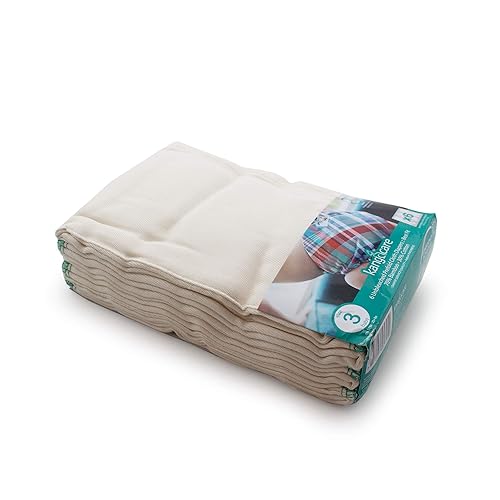
Kanga Care Reusable Unbleached 70% Viscose of Rayon from Bamboo / 30% Cotton Prefold Cloth Diapers (6pk) – Size 3 : Baby
Best for: Bamboo blend for larger babies.
Families who want a bamboo-blend prefold for an older baby, rather than a newborn set, may find this size more useful. The listing specifies the same 70% viscose-bamboo and 30% cotton blend.
Pros
- Bamboo-cotton blend in a larger size
- Six-pack suits a steady wash rhythm
Cons
- Not suited to newborns
Gerber Unisex Birdseye Prefold Cloth Diapers, 10 Pack

Gerber Unisex Baby Boys Girls Birdseye Prefold Cloth Diapers Multipack White 3-Ply 10 Pack
Best for: Budget-minded buyers who want a larger count.
Parents building a cloth stash on a tighter budget often start with a larger pack of cotton prefolds. This set uses a three-ply birdseye cotton construction.
Pros
- Ten-pack gives a large starting stock
- Three-ply construction for added absorbency
Cons
- No bamboo content
OsoCozy Unbleached Prefold Cloth Baby Diapers, Size 2

OsoCozy Unbleached Prefold Cloth Baby Diapers, Size 2 (15-30 lbs.), Soft, Absorbent, Durable 100% Natural Cotton, Unbleached Natural Color -6 Pack
Best for: Parents who prefer 100% unbleached cotton.
Families who want a fully natural, unbleached cotton prefold for babies in the 15–30 lb range will find this set matches that preference. The listing describes it as soft and absorbent.
Pros
- 100% natural unbleached cotton
- Six-pack in a mid-range size
Cons
- Cotton dries more slowly than some bamboo blends
OsoCozy Cotton Prefold Cloth Diapers, 1 Dozen

OsoCozy Prefold Cloth Diapers (1 Doz) – Soft, Absorbent, Durable – 100% Cotton
Best for: Building a large starter stock in one purchase.
Parents who plan to cloth diaper full-time and want enough prefolds for a few days between washes may prefer this twelve-count bundle. It is 100% cotton according to the listing.
Pros
- Twelve-count stock reduces wash frequency
- 100% cotton construction
Cons
- Heavier to wash and dry in bulk
Buying Guide
Fiber Content
Bamboo blends, cotton, and organic cotton prefolds all absorb differently and feel different against baby’s skin. Bamboo-cotton blends are often described as softer and more absorbent, while 100% cotton options tend to be sturdier and easier to launder over many cycles. Check the fiber listing on each product before you buy.
Size Range
Prefolds are sold in sizes that match a baby’s weight, and the right size makes a real difference in fit and leak protection. Newborn sizes suit the earliest weeks, while larger sizes are meant for babies who have outgrown smaller diapers. Look at the weight range listed for each size and plan for growth.
Number of Layers and Thickness
Prefolds come in different ply counts, and more layers generally mean more absorbency at the cost of bulk. Thinner options can work well for light wetters or for pairing with a cover, while thicker prefolds suit heavier wetters and overnight use. Consider how much your baby wets and what cover you plan to use.
Pack Size and Value
Prefolds are usually sold in multipacks, so compare the number of diapers per set rather than the total cost alone. A larger pack can lower the per-diaper cost, but only if the size matches your baby’s current stage. Buying the right size for now often matters more than buying the biggest pack.
FAQ
Do bamboo prefolds need a cover?
Yes, prefolds are not waterproof on their own, so they need a waterproof cover over them to prevent leaks. Wool or PUL covers are common choices, and the cover should fit snugly around the legs and waist. Covers can usually be reused several times between changes.
How do I wash bamboo prefold cloth diapers?
Most families rinse soiled prefolds, store them until wash day, and then run a warm wash cycle with a fragrance-free detergent. Avoid fabric softener and dryer sheets, since they can reduce absorbency over time. Air drying helps extend the life of the fabric.
Are prefolds better for newborns or older babies?
Prefolds work for both, but newborn sizes are needed for the smallest babies and larger sizes fit babies who have grown. Because babies change size quickly, many parents buy a mix of sizes. Checking the weight range on each set will help you choose.
Can I use prefolds overnight?
Prefolds can be used overnight, especially thicker options and extra inserts layered for added absorbency. Some babies wet more during sleep, so you may need to add layers or change the setup as they grow. Watching for leaks in the first few nights will help you find the right combination.
Do I need to prepare new prefolds before use?
Many cloth diapers are recommended to be washed several times before use to improve absorbency, and the manufacturer’s care label will tell you what applies. Cotton and bamboo blends can behave differently, so follow the product’s instructions. Plan to wash new prefolds a few times before relying on them fully.
Conclusion
Parents who want a soft, absorbent bamboo blend for a newborn should look at the newborn-sized GroVia set, while those with a larger baby may prefer the Kanga Care Size 3 bamboo prefolds. Budget-focused families will find the Gerber birdseye multipack a practical starting point, and those who want 100% cotton or organic cotton can choose among the OsoCozy options based on size and pack count.
Match the size to your baby’s current weight, consider how heavily they wet, and pick the fiber and pack that fit your washing routine. Starting with the right size and a waterproof cover will get you the most value from any of these prefold sets.
Related reading
- What Are Prefold Cloth Diapers? A Beginner's Guide (2026)
- Tri Fold Cloth Diapers vs Prefolds (2026): Which Is Better for Your Baby?
- Top 5 Bamboo Fitted Cloth Diapers for Every Need
- Prefold vs Flat Cloth Diapers: Which to Choose and How to Use Each (2026)
- Prefold Cloth Diapers India: A Step-by-Step Guide for Beginners
About Ethan Brooks
Ethan Brooks is part of our editorial team and reviews and edits our natural & eco parenting guides, checking product details against manufacturer specifications and owner feedback.