
 By Ethan Brooks
Updated November 2026
Disposable liners for cloth diapers let you catch solids and reduce staining without losing the benefits of reusable diapers. This guide compares five popular disposable liners for cloth diapers, using the criteria that matter most: fiber content, chlorine and fragrance status, sheet count per pack, and how the liner handles wetness and rinsing. Every listing below is a real Amazon product.
Our top picks at a glance
- 1
 TOP CHOICEBest overallNaturally Nature Disposable Cloth Diaper Liners, Unscented, 600 CountView on Amazon
- 2
 TOP CHOICEBest for large householdsRayon Unscent Diaper Liners 400 Count by BlueSnailView on Amazon
- 3
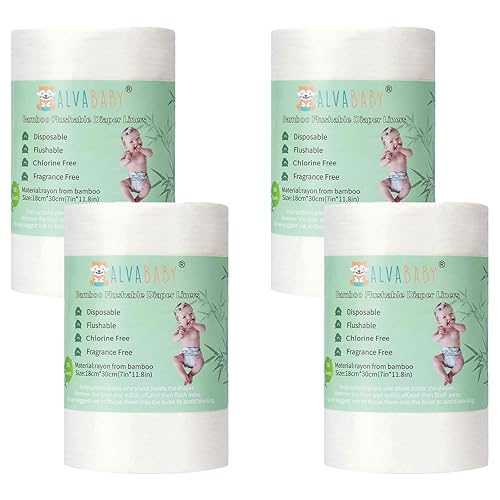 TOP CHOICEBest for sensitive skinALVABABY Diaper Liner for Baby Cloth Diapers, 400 SheetsView on Amazon
- 4
 Best budget pickwegreeco Unscented Diaper Liners, 100 Sheets Per RollView on Amazon
- 5
 Best eco-friendly optionEsembly Tossers Disposable Bamboo Viscose Diaper LinersView on Amazon
Our Top Picks
| Product | Best for | Key feature |
|---|---|---|
| Naturally Nature Disposable Cloth Diaper Liners | Everyday use | 600 count, unscented |
| Rayon Unscent Diaper Liners 400 Count by BlueSnail | Large households | 400 count, chlorine free |
| ALVABABY Diaper Liner for Baby Cloth Diapers | Sensitive skin | Fragrance free, soft sheets |
| wegreeco Unscented Diaper Liners | Budget-conscious families | 100 sheets per roll |
| Esembly Tossers Disposable Bamboo Viscose Liners | Eco-minded families | Bamboo viscose blend |
Naturally Nature Disposable Cloth Diaper Liners, Unscented, 600 Count
Naturally Nature Disposable Cloth Diaper Liners, Unscented, Fragrance-Free, Chlorine Free Diaper Inserts – 600 Count – (6 Rolls, 100 Sheets per Roll)
Best for: Everyday use with a large stash of liners on hand.
This pack suits parents who change diapers often and want to restock less frequently. Manufacturers specify six rolls of 100 sheets each, unscented and chlorine free.
Pros
- Large 600-sheet count reduces reorder frequency
- Unscented and chlorine free
Cons
- Bulky packaging takes up storage space
Rayon Unscent Diaper Liners 400 Count by BlueSnail
Rayon Unscent Diaper Liners- Fragance Free and Chlorine Free(4PK) 400 Count by BlueSnail(White)
Best for: Large households that use a lot of liners.
This four-pack of 100-count sets is designed for families running multiple diaper loads each day. The rayon construction is marketed as absorbent and soft against the skin.
Pros
- 400 total sheets across four packs
- Fragrance free and chlorine free
Cons
- Sheets may tear when pulled from the roll, according to some owner feedback
ALVABABY Diaper Liner for Baby Cloth Diapers, 400 Sheets
ALVABABY Diaper Liner for Baby Cloth Diapers Natural Soft Disposable 11.8×7.1 Inch Fragrance Free Chlorine Free 400 Sheets
Best for: Babies with sensitive skin who need a fragrance-free barrier.
The listing describes a natural, soft sheet at 11.8 by 7.1 inches, a size that fits most cloth diaper shells and inserts. For another angle, check out 7 Best Cloth Diapers with Disposable Insert for Easy Cleanup (2026).
Pros
- Fragrance free and chlorine free
- Sheet size is specified for cloth diaper use
Cons
- Thinner sheets may need doubling for heavy wetters
wegreeco Unscented Diaper Liners, 100 Sheets Per Roll
wegreeco Unscented Diaper Liners,Fragance Free and Chlorine Free – 100 Sheets Per Roll (1 Roll)
Best for: Families who want a low-commitment way to try disposable liners.
A single roll makes it easy to test whether liners suit your routine before buying in bulk.
Pros
- Single roll is easy to try
- Unscented and chlorine free
Cons
- One roll runs out quickly with frequent changes
Esembly Tossers Disposable Bamboo Viscose Diaper Liners
Esembly Tossers – Disposable Bamboo from Viscose Diaper Liners for Cloth Diapers – Earth-Friendly, Fragrance-Free, Chlorine-Free – One Size, 200 Liners (2-Pack of 100-Liner Rolls)
Best for: Eco-minded families who prefer plant-based fibers.
The bamboo viscose blend is marketed as earth-friendly, and the two-pack of 100-liner rolls gives 200 sheets in total.
Pros
- Plant-based bamboo viscose fiber
- Fragrance free and chlorine free
Cons
- Fewer total sheets than the larger packs
Buying Guide
Fiber content
Liners are typically made from rayon, viscose, bamboo blends or polypropylene. Plant-based fibers are often preferred by families who want a compostable-leaning option, while synthetic blends tend to be more stain-resistant. Check the label before you buy.
Chlorine and fragrance
Chlorine-free bleaching and fragrance-free formulas reduce the chance of skin irritation. Look for both terms in the listing, especially if your baby has eczema or a history of diaper rash.
Sheet size and count
Measure your diaper inserts before buying. Many liners are sized around 11 to 12 inches long. A larger count lowers the cost per sheet but takes more storage space.
Flushability and disposal
Check whether the manufacturer says the liner is flushable. Local plumbing rules vary, so if you are unsure, dispose of solids in the toilet and place the used liner in the trash.
Good picks for this: Naturally Nature Disposable Cloth Diaper Liners and Esembly Tossers Disposable Bamboo Viscose Diaper Liners.
FAQ
Do disposable liners for cloth diapers really make cleanup easier?
Yes, a liner sits between the baby’s skin and the cloth diaper and catches most solid waste. You can lift the liner out and dispose of it, which keeps the cloth diaper from staining and cuts down on scrubbing. Liners do not replace regular laundering, but they make the rinse and wash step much simpler.
Can I flush disposable diaper liners down the toilet?
Many liners are labeled as flushable, but local plumbing and septic systems vary, so check your own setup before flushing. If you are unsure, placing the used liner in the trash is the safer choice. Always follow the manufacturer’s instructions on the package.
Are unscented and chlorine-free liners better for sensitive skin?
Unscented and chlorine-free liners avoid added fragrances and chlorine bleaching, which can irritate sensitive skin for some babies. These features are a good starting point if your baby has a rash or eczema. If irritation continues, talk with your pediatrician about other options.
Do I need to use a liner with every cloth diaper change?
You do not have to use a liner every time, but it is most helpful during solid food stages or when a baby has loose stools. Many parents use liners only for messy changes and skip them for wet diapers. Using them selectively can also help your supply last longer.
How many liners should I buy to start?
The right amount depends on how many diaper changes you do each day and how often you plan to use liners. Larger packs offer better value over time, while a single roll works well for trying a liner before committing. Checking your daily usage will help you estimate how long a pack will last.
Will liners affect how well my cloth diapers absorb?
A liner sits on top of the diaper and generally does not block absorbency, though some liners may slow wetness transfer slightly. Choosing a liner with a soft, breathable top sheet can help keep your baby comfortable. Regular washing and proper rinsing will keep your cloth diapers performing well.
Conclusion
If you want the largest supply for a busy household, the Naturally Nature 600 count pack and the BlueSnail 400 count option are strong choices. Families looking for a bamboo-viscose blend with an eco-minded approach may prefer the Esembly Tossers, while the ALVABABY and wegreeco liners suit parents who want a simple, fragrance-free option at a smaller scale.
Whichever liner you choose, pick one that is unscented, chlorine-free, and sized to fit your cloth diapers. Start with a smaller pack to see how it works for your baby before stocking up on a bigger supply.
Related reading
- Are Cloth Diapers Cheaper Than Disposable? 3 Best Liners to Compare (2026)
- Stay Dry Liners for Cloth Diapers: A Step-by-Step Guide for Dry Nights
- Reusable Liners for Cloth Diapers: How to Choose and Use Them
- Fleece Liners for Cloth Diapers: How to Choose and Use Them (Step-by-Step)
- Disposable Diapers vs Cloth Diapers Cost: Real Numbers for Your Family (2026)
About Ethan Brooks
Ethan Brooks is part of our editorial team and reviews and edits our natural & eco parenting guides, checking product details against manufacturer specifications and owner feedback.


