 By Audrey Hayes
Updated November 2026
A naturepedic organic crib mattress pad is a waterproof, organic-cotton layer that sits on top of your baby’s crib mattress to protect it from spit-up, diaper leaks, and everyday messes. In this guide, you’ll learn what to look for in the materials and certifications, how to confirm the pad is safe for your baby’s sleep space, how to fit and wash it correctly, and which mistakes to avoid. Wherever a product detail matters, we’ll point you to the label or the manufacturer’s specifications rather than guessing.
What a Naturepedic Organic Crib Mattress Pad Does (and Doesn’t Do)
A crib mattress pad is a thin layer that protects the mattress underneath. It is not a mattress, and it does not make a sleep surface firmer or safer. The job of the pad is to keep the core mattress clean and dry, which extends its life and reduces odor and mildew risk.
Shopping for one? See our guide: Naturepedic Organic Waterproof Crib Mattress Pad Review: Is It Worth It?.
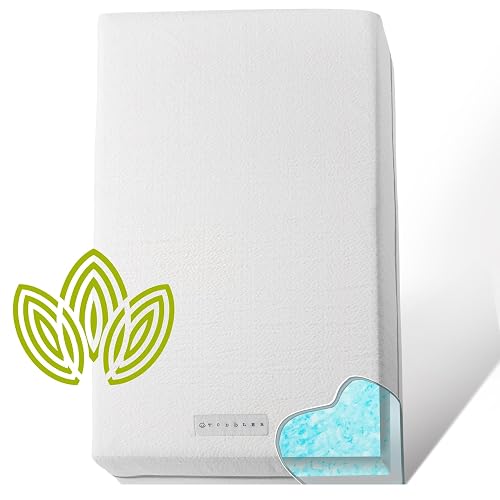
Pads in this category are typically built as a multi-layer system: an organic cotton top that touches the baby, a waterproof barrier in the middle, and a fitted base that grips the mattress corners. Manufacturers often describe the waterproof layer as a polyurethane or similar laminate, so it is worth checking the spec sheet if you want a fully plant-based or natural-latex-free construction.
Why Parents Choose Organic Options
Many parents choose organic cotton because they want to limit exposure to synthetic finishes, flame retardants, and pesticide residues in cotton fiber. Be aware that “organic” on a crib product usually refers to the fiber, not every component. The core mattress, the waterproof membrane, and any binding or thread can be made from different materials, so read the full description.
Step 1: Check the Certifications and Materials
Certifications are the fastest way to verify claims. Look for the following on the product page or the tag:
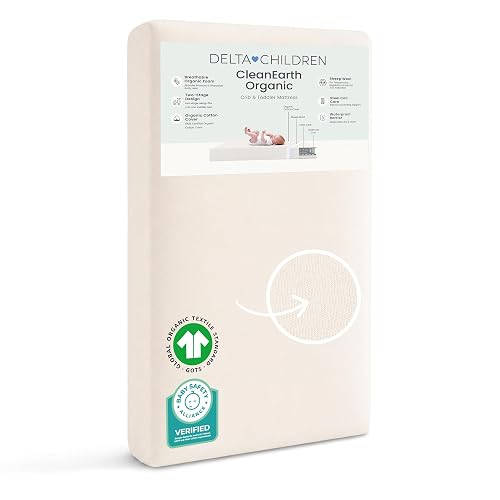
- GOTS (Global Organic Textile Standard): Confirms organic fiber content and restrictions on chemical processing across the supply chain.
- OEKO-TEX Standard 100: Tests finished textiles for a list of harmful substances. It does not certify that a product is organic.
- GREENGUARD or GREENGUARD Gold: Relates to low chemical emissions from finished products. Check whether the certification covers the specific model.
Next, confirm the waterproof layer. Manufacturers should state whether the membrane is PU, TPU, or another material and whether it is PVC-free. If the listing is vague, contact the company directly and ask for the material declaration.
Step 2: Confirm Crib Mattress Fit and Safe-Sleep Compatibility
This step matters more than any material claim. The U.S. Consumer Product Safety Commission and the American Academy of Pediatrics both emphasize that the sleep surface must be firm, flat, and snug, with no gaps where a baby could become trapped.
Measure Your Mattress
Measure the length, width, and depth of your crib mattress. Most standard U.S. cribs use a mattress of about 52 inches by 28 inches, but some brands and convertible cribs differ. Compare your measurements to the pad’s listed dimensions, and allow for the pocket depth stated in the product specs.
Avoid Adding Thickness Under the Baby
A pad should not raise the sleeping surface significantly. Stacking multiple pads, adding a bumper-style cover, or using a thick topper can create a soft, uneven surface. Use one pad only, unless the manufacturer specifically states that a layered setup is approved.
Step 3: Fit the Pad Correctly
- Remove the core mattress from the crib and place it on a clean, flat surface.
- Lay the pad over the mattress with the top (soft side) facing up.
- Stretch the fitted corners over each corner of the mattress, working from one end to the other.
- Check that the pad lies flat with no bunching, folds, or loose edges.
- Place the mattress back in the crib and run a hand along all edges to confirm there are no gaps larger than two fingers between the mattress and the crib rails.
Step 4: Wash and Care for the Pad
Follow the care label. Most organic cotton pads tolerate warm water, but waterproof laminates can break down under high heat, so avoid high-temperature drying unless the manufacturer allows it.
| Task | Typical Guidance |
|---|---|
| Wash temperature | Warm or cold, per care label |
| Detergent | Mild, fragrance-free, no bleach or fabric softener |
| Drying | Low heat or air dry; avoid high heat |
| Frequency | After any leak or spit-up, and at least monthly |
Fabric softener can coat the fibers and reduce the waterproof barrier’s performance over time, so skip it. Air-drying in sunlight is a gentle option for stains and odor.
Common Mistakes to Avoid
- Using a pad that doesn’t fit snugly. Loose corners can lift and create a gap.
- Stacking extra layers. Extra padding raises the sleep surface and can increase risk.
- Assuming “organic” means every layer is organic. Check the full material list.
- Using high heat in the dryer. This can degrade the waterproof layer and loosen seams.
- Skipping the crib-mattress check after washing. Shrinkage can change the fit.
- Using a pad as a substitute for a fresh mattress. If the core mattress is damaged, cracked, or sagging, replace it.
Tips for Getting the Most From Your Pad
- Keep a spare pad so you can swap immediately after a leak.
- Check the seams and corners monthly for fraying or separation.
- Store spare pads in a dry place, not sealed in plastic, to prevent mildew.
- If you change crib mattresses, re-measure before buying a new pad.
- Review the manufacturer’s care instructions after any change in detergent or washing routine.
Recommended gear
Gear for this topic is limited, but a few items make setup and cleanup easier:
- A flat, firm surface for fitting and measuring: A clean table or the floor works well, and a soft measuring tape helps you confirm that the pad matches the mattress dimensions before you buy. View on Amazon
- A fragrance-free, mild laundry detergent: Helps protect organic fibers and the waterproof layer from harsh residues. View on Amazon
- A spare crib mattress pad: Lets you swap immediately after a leak while the first pad is washed and dried. View on Amazon
FAQ
Is a naturepedic organic crib mattress pad safe for newborns?
A pad designed for cribs can be used from birth if it fits snugly and meets the manufacturer’s stated age and safety guidance. Always follow the crib’s safe-sleep rules: back sleeping, a firm flat surface, and no loose bedding in the sleep area. Consult your pediatrician if you have questions about your baby’s specific needs.
Can I use two pads at once for extra protection?
Generally no. Stacking pads raises the sleep surface and can create a soft layer under the baby. Use a single pad unless the manufacturer explicitly approves layering.
How often should I wash the pad?
Wash it after any leak or spit-up, and at least once a month as routine care. Follow the care label for temperature and drying.
Does organic cotton mean the pad is waterproof?
No. Organic cotton is the top fabric. Waterproofing comes from a separate membrane layer, so check the product description for the waterproof construction.
What certifications should I look for?
GOTS confirms organic fiber content. OEKO-TEX Standard 100 tests finished textiles for harmful substances. GREENGUARD relates to low chemical emissions. Confirm which certifications apply to the specific model.
How do I know if the pad fits my crib?
Measure your crib mattress and compare it to the pad’s listed dimensions. The pad should lie flat with no gaps between the edges and the crib rails.
When should I replace the pad?
Replace it if the waterproof layer cracks or peels, if seams separate, if the fabric is stained or stiff after washing, or if the fit has changed. Also replace the core mattress if it is damaged.
Should I check with a professional about crib safety?
Yes. For questions about sleep safety, allergies, or any health concern related to your baby, consult your pediatrician or a certified child passenger and nursery safety professional.
Conclusion
A naturepedic organic crib mattress pad protects your core mattress and keeps the sleep area cleaner, but its value depends on fit, materials, and care. Confirm certifications, measure carefully, and fit the pad so it lies flat with no gaps. Keep the setup simple, avoid stacking layers, and replace the pad or mattress when wear shows.
Related reading
- Naturepedic Waterproof Organic Crib Mattress Protector Pad: A Practical Guide (2026)
- Naturepedic Organic Waterproof Baby Crib Mattress Pad: A Practical Guide (2026)
- Organic Quilted Crib Mattress Pad: How to Choose a Safe, Non-Toxic One (2026)
- Organic Naturepedic Crib Mattress: A Buyer's Guide to Safe Sleep (2026)
Ready to choose one?
About Audrey Hayes
Audrey Hayes is part of our editorial team and reviews and edits our natural & eco parenting guides, checking product details against manufacturer specifications and owner feedback.