 By Ethan Brooks
Updated November 2026
If you are weighing nestlé organic baby food against other organic brands, the short answer is this: choose the option whose ingredient list, certifications and texture match your baby’s stage and your own label priorities. Nestlé’s organic line tends to suit parents who want widely available, stage-based products with straightforward labeling, while smaller organic brands often appeal to parents who want shorter ingredient lists or specific certifications such as kosher or a dedicated non-GMO statement. Read on for a criterion-by-criterion breakdown.
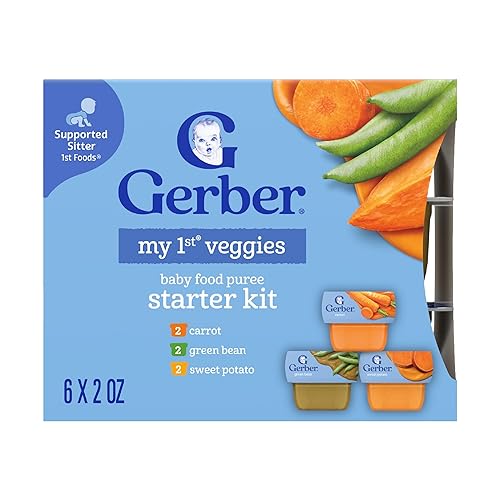
For this comparison, the two options are Nestlé Gerber Organic (the organic-labeled line sold under the Gerber brand, which Nestlé owns) and a representative independent organic brand such as Plum Organics, which sells organic pouches and jars with a broad range of recipes. Product lines change, so always confirm current labels before buying.
Quick Comparison Table
| Criterion | Nestlé Gerber Organic | Plum Organics (independent organic) |
|---|---|---|
| USDA Organic certification on label | Yes, on organic-labeled products | Yes, on organic products |
| Stage range offered | Stage 1 through toddler stages | Stage 1 through toddler stages |
| Format variety | Jars, pouches, cereals | Pouches, jars, snacks |
| Ingredient list length | Often moderate, with added vitamins common | Often shorter, with fewer added nutrients |
| Texture progression | Clearly staged, smooth to chunkier | Clearly staged, smooth to chunkier |
| Availability | Very wide, including large grocery and mass retailers | Wide, including grocery and online |
| Best fit | Parents wanting consistent, familiar staged foods | Parents prioritizing minimal ingredient lists |
Ingredient Lists and Added Nutrients: Winner: Plum Organics (for minimalism)
Ingredient lists are where most parents start, and they are where these two brands differ most. Many Nestlé Gerber Organic products add vitamins and minerals such as iron, vitamin C or vitamin D, which some pediatric guidance supports for certain infants, particularly those on mostly formula or with limited iron intake. Many independent organic brands take a more minimal approach, using just the fruit, vegetable or grain, plus water or a citric acid for stability.
To check a label yourself, follow these steps:
- Find the ingredient list and count the items. For single-ingredient purees, expect one or two.
- Look for added sugars, fruit juice concentrate or thickeners such as starch, which can dilute the main food.
- Check whether vitamins are listed. Added iron is a deliberate choice; not every baby needs it, so talk with your pediatrician if you are unsure.
- Compare the first ingredient. It should match the product name.
If you want a deeper walkthrough of this process, see Organic Baby Food Products: A Buyer's Guide to Labels and Ingredients (2026) and Organic Non GMO Baby Food: A Label-Reading Guide for Parents.
Certifications and Labeling Clarity: Winner: Tie
Both options can carry USDA Organic certification, which means at least 95 percent of the ingredients (excluding salt and water) are certified organic in the US. Organic is the baseline, so the real differences lie in extra claims. Look for these:
- USDA Organic seal: confirms national organic standards were met.
- Non-GMO Project Verified: a separate third-party check for genetically modified ingredients. Check the package rather than assuming.
- Kosher or other religious certifications: relevant to some families, but not a measure of organic quality.
Certifications are only as useful as the label that displays them. Confirm the seal is on the specific product you are buying, since a brand can carry organic certification on some lines and not others. For a related breakdown of kosher labeling, see Sprout Organic Baby Food Kosher: Ingredient and Certification Guide.
Heavy Metal Considerations: Winner: Neither brand can be declared safer from label alone
Heavy metals such as arsenic, lead, cadmium and mercury can occur naturally in soil and water, and they can show up in rice, sweet potatoes, carrots and other root or grain foods. Organic certification does not guarantee zero heavy metals, and neither brand’s packaging can settle this question. The FDA has published guidance on reducing exposure, including varying grains and avoiding overreliance on rice cereal.
Practical steps to reduce exposure, regardless of brand:
- Vary grains rather than relying on rice cereal every day.
- Offer a range of vegetables and fruits.
- Look for brands that publish test results or sourcing information, and check whether they respond to questions on this topic.
For more context, read Sprout Organic Baby Food Heavy Metals: What Parents Need to Know. A pediatrician or pediatric dietitian can help you plan a varied diet for your baby’s age and needs.
Texture and Stage Progression: Winner: Nestlé Gerber Organic (for predictable staging)
Gerber has long organized its line around stages, with smooth single-ingredient purees early, moving to mixed textures and finger foods later. Parents who value a clear, familiar progression often find this easier to follow. Plum Organics also uses staged products, and its pouches and jars are well suited to babies who are moving from purees to more textured foods. Owners often report that pouches are convenient for travel but may encourage spoon-feeding skills less than jars, so mixing formats helps.
When introducing a new texture, offer small amounts (about one to two teaspoons at first) and watch for several days before adding more. Keep introducing one new food at a time so you can spot any reactions.
Availability and Convenience: Winner: Nestlé Gerber Organic
Because Gerber products are sold in many mainstream grocery and mass-merchant locations, they are easier to find on short notice. Independent organic brands are also widely available, but selection can vary by store and region. If you shop for groceries in person, check the shelf before assuming a specific flavor is in stock.
Flavor Variety and Mealtime Use: Winner: Plum Organics
Plum Organics is known for combination blends, such as fruit with vegetables or grains, which can help babies get used to a wider range of tastes. Gerber offers a large number of single-ingredient and combination options too. If your baby is a picky eater, owners often report that rotating through several flavors and textures keeps mealtimes calmer than repeating one product.
Which Should You Choose?
- Choose nestlé organic baby food (Gerber Organic) if you want a widely available, clearly staged line and you value added vitamins for your baby’s diet.
- Choose an independent organic brand like Plum Organics if you want shorter ingredient lists, a wider range of blended recipes, or a stronger focus on minimal processing.
- Choose either if you mainly care about the USDA Organic seal, since both options can carry it.
- Mix both if you want variety in flavors and textures across the week.
- Consult your pediatrician before deciding if your baby has allergies, feeding difficulties, or specific nutritional needs such as iron requirements.
Shop the Options
Compare current labels for each product type before buying: View on Amazon for a Nestlé-owned organic option, and View on Amazon for an independent organic pouch. Verify the stage, certification and ingredient list on the package you receive.
FAQ
Is nestlé organic baby food actually organic?
Products sold under the Gerber organic line carry the USDA Organic seal when they meet national standards. Always check the specific package, because not every product in a brand’s range is necessarily organic.
Does organic baby food have fewer heavy metals?
Not necessarily. Organic standards govern how food is grown, not whether naturally occurring metals are present in soil or water. Varying your baby’s foods is the most practical way to reduce exposure.
Why do some organic baby foods have added vitamins?
Manufacturers may add iron, vitamin C or other nutrients to help meet nutritional targets, particularly for infants who eat limited amounts of iron-rich foods. Whether your baby needs supplements is a question for your pediatrician.
Are pouches as good as jars?
Both can be nutritious and safe when stored and served correctly. Pouches are convenient but may not build spoon-feeding skills as well, so many parents use both formats.
How do I know which stage to start with?
Most brands label stages by age and texture. Stage 1 is usually recommended around the time your pediatrician advises starting solids, typically around six months. Confirm the timing with your pediatrician, since readiness depends on your baby’s development.
Conclusion
Nestlé organic baby food, through its Gerber Organic line, is a solid choice for parents who want wide availability, predictable staging and added nutrients. Independent organic brands like Plum Organics may suit parents who prioritize short ingredient lists and blended recipes. Both can carry the USDA Organic seal, so focus on the ingredients, texture and any extra certifications that matter to your family. When in doubt, check the label on the exact product and talk with your pediatrician about your baby’s needs.
Related reading
- Wattie's Organic Baby Food: 7 Best Picks Compared for 2026
- WIC Organic Baby Food: 7 Best Picks Compared for 2026
About Ethan Brooks
Ethan Brooks is part of our editorial team and reviews and edits our natural & eco parenting guides, checking product details against manufacturer specifications and owner feedback.