 By Ethan Brooks
Updated November 2026
Kanga Care all in one cloth diapers are a practical option for parents who want a fully assembled diaper that works like a disposable: no stuffing, no separate cover, and a simple change at the diaper table. This review looks at the Kanga Care Lil Joey Newborn All in One in the Pine colorway, sold as a two-pack for babies in the 4 to 12 pound range. It suits parents of very small babies who want an easy start with cloth, families who prefer one-piece diapers for daycare or caregivers, and anyone who values quick changes over maximum absorbency. It is less suited to parents of heavy wetters, families who plan to stay in newborn sizing for only a few weeks while buying in bulk, or anyone who wants a diaper that runs large for a long stretch of the toddler years. Read on for the specifications, the trade-offs, and how this model compares with two well-known alternatives.

Kanga Care Lil Joey Newborn All in One AIO Cloth Diaper (2pk) Pine 4-12lbs
Product Overview
The Lil Joey is Kanga Care’s newborn-sized all in one cloth diaper. The listing name identifies it as a newborn model rated for roughly 4 to 12 pounds, sold as a two-pack in the Pine print. An all in one, often abbreviated AIO, combines the absorbent layers and the waterproof outer shell into a single garment. You put it on the baby the same way you would a disposable, with a fastening system at the front and a set of rise and waist adjustments meant to fit a newborn’s small frame.
The main reason parents choose AIOs is convenience. There is nothing to assemble before a change, and a caregiver who has never used cloth can handle one without instruction. The trade-off is drying time. Because the absorbent core is sewn into the shell, the whole diaper takes longer to dry than a pocket or a prefold with a separate cover. That matters for daily laundry rhythms and for families who run short on clean stock.
Kanga Care is a known name in the cloth diapering market, and the brand is widely recognized for its snap-based fastening and for designing around the needs of very small babies. The Lil Joey sits at the newborn end of its lineup, which means the goal is a snug fit on a baby who is still gaining weight quickly and whose umbilical area may still be healing. Sizing in this category changes fast, so a newborn-only model will be outgrown within a few months for most babies.
Key Features & Specifications
The table below lists only the details that the product name and the widely known specifications for this model support. Check the current Amazon listing for the exact measurements, care instructions, and fabric content before you buy, since manufacturers occasionally update these.
| Feature | What It Means for You |
|---|---|
| Diaper type | All in one (AIO); fully assembled, no inserts or covers to add |
| Size | Newborn, rated for approximately 4 to 12 pounds |
| Pack size | Two diapers per pack |
| Fastening | Snap closures; snaps are the standard closure on Kanga Care diapers |
| Pine colorway | |
| Use case | Daytime and overnight use for newborns; overnight absorbency depends on the wetness level of the individual baby |
| Care | Machine washable; line drying recommended to extend lifespan of elastics and waterproof layers, per common care guidance for AIOs |
Snap closures are the detail that most often decides whether a parent likes an AIO. Snaps are quick to fasten and hold up to repeated washing better than many hook-and-loop tabs, though they can leave a small gap if the rise is set wrong. The rise settings on newborn models are particularly important, because a newborn who is still fitting into the smallest setting can leak if the diaper is too loose at the legs.
The waterproof outer layer on most AIOs is a polyurethane laminate (PUL) or a similar film. This layer is what keeps moisture from reaching bedding or clothing. PUL is durable and easy to wash, but it can delaminate over time if it is exposed to high heat in the dryer or to oil-based creams that break down the coating. This is a general property of PUL-based cloth, not a defect specific to this model.
Pros & Cons
Pros
- No assembly needed, so changes are as quick as a disposable for caregivers who are new to cloth.
- Snap closures are secure, easy to adjust, and generally hold up well to repeated laundering.
- Designed as a newborn-size model, which matters because standard one-size diapers often bunch or gap on babies under about 10 pounds.
- Two-pack format lets you wash one while the other is in use without buying a large starter set.
- Works well for daycare or grandparents who want a no-fuss option that does not require stuffing or folding.
Cons
Performance Analysis
Performance in cloth diapers depends on three things: fit, absorbency, and how the diaper handles washing. Each is worth looking at separately, because a diaper that performs well on one dimension can still disappoint on another.
Fit on a newborn
Fit is where newborn-specific models earn their keep. A baby in the 4 to 6 pound range has very little thigh and waist to hold a diaper in place. An oversized one-size AIO can gap at the legs and leak. Owners of newborn-sized AIOs commonly report that the first two or three weeks go smoothly if the rise is set at the smallest position and the leg elastic sits snug without pinching. Once the baby reaches the upper end of the range, many parents move to the next rise setting or to a larger size. Check the fit at every change for red marks at the thighs or waist, which indicate the diaper is too tight, and for gaps or wet clothing, which indicate it is too loose.
Absorbency and overnight use
Newborn diapers are generally adequate for daytime use with frequent changes, since newborns wet often but in smaller volumes. Overnight performance is more variable. Owners frequently report that a single AIO can hold through a short stretch of sleep for a light wetter but may need a booster for a longer night or a heavy wetter. A common approach is to add a hemp or microfiber insert at night, though note that inserts added to an AIO can affect the fit, so test before relying on them.
Laundry and drying
Cloth AIOs follow standard care: a cold or warm pre-rinse, a warm wash with a small amount of cloth-safe detergent, and an extra rinse to remove residue. Residue buildup is a frequent cause of reduced absorbency and repellency in cloth diapers, so avoid fabric softeners and most laundry boosters. Drying is the slowest part of the process. Air drying is the gentlest option for the waterproof layer and elastics. Dryer use is faster but shortens the life of the PUL and elastics over time. Plan for at least one full day of drying between washes if you use a line.
Durability
Snaps and elastics are the components most likely to wear first. Owners generally report that snaps hold up well when the diaper is washed on a regular cycle and not overloaded with heavy soiled loads. Elastic leg bands can lose their stretch after many washes, particularly with dryer use, and a diaper with weakened elastic will leak at the legs. These are normal wear points for any cloth AIO, but they are worth checking on a diaper you plan to keep for a second child.
Because cloth diapers vary in how they perform on individual babies, it is reasonable to test a small number before committing to a full stash. If your baby has skin sensitivity, a reaction to a diaper material, or a condition that affects the skin around the diaper area, consult your pediatrician before making a change.
Who Should Buy This Product?
This model fits a particular set of needs. Parents who are starting cloth for a newborn and want something close to disposable convenience will find it straightforward. Families with a caregiver who is not comfortable with stuffing pocket diapers or folding prefolds will also benefit, because the all-in-one design removes those steps. Parents who expect to use cloth for a second baby or who want to keep a small stash for a short infant stage may find the two-pack a sensible size to test.
It is a weaker fit for parents who need to get through heavy wetting, long overnight stretches, or who plan to stay in newborn sizing much longer than the product is designed for. Families who want a diaper that grows with the baby through toddlerhood may find a one-size system or a pocket diaper a better long-term value, since those can be adjusted and extended as the child grows.
Buying Guide
Before buying a newborn AIO, consider these points:
- Confirm the weight range. Check the listed range against your baby’s current weight and the rate of gain your pediatrician expects. Many parents buy newborn sizing too late and end up with a short window of use.
- Look at fastening type. Snaps offer a secure fit and durability. Hook-and-loop closures are easier for some caregivers to adjust but can wear out faster with repeated washing.
- Consider drying needs. If you have limited space or a dryer, factor in drying time. A larger stash reduces the pressure of daily laundry.
- Think about absorbency. If your baby is a heavy wetter, a diaper with a built-in booster or a pocket design may suit you better.
- Read the care instructions. Avoid fabric softeners, most laundry boosters, and high dryer heat to protect the waterproof layer.
If you want to compare options within the broader category, two well-known alternatives are worth considering:
Smart Bottoms Smart One 4.0 (one size)
This is a one-size organic cotton AIO with an adjustable design. It is a good choice for parents who want a diaper that extends beyond the newborn stage, since the adjustable rise and waist allow it to fit from the smallest size up through toddlerhood. The trade-off is that it may not fit very small newborns as snugly as a dedicated newborn model.

Smart Bottoms Organic Cotton All-in-One Cloth Diaper, One Size Reusable Adjustable Baby Diaper, Smart One 4.0 – Arlo
Kanga Care Rumparooz Double Leg Gusset Cover (one size)
This is a one-size snap cover rather than an all in one. It is designed to go over a prefold, flat, or insert, which means you control the absorbency and can adjust the number of layers as the baby grows. The cover is a good match for parents who want a lower-cost way to extend their cloth routine, though it requires a separate absorbent layer.
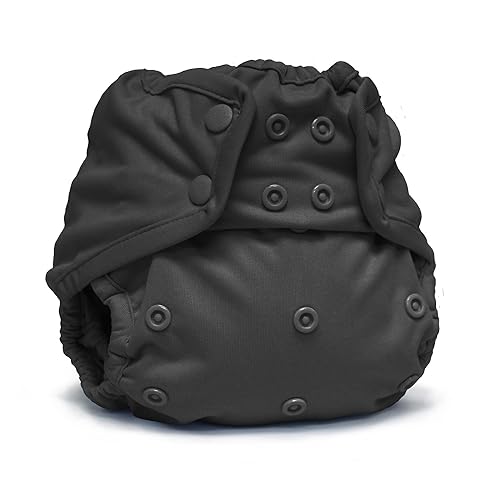
Kanga Care Rumparooz Double Leg Gusset Reusable Cloth Diaper Cover One Size Snap | Castle 6-35 lbs
For more context on how cloth options compare, see Top 5 Lil Joey All-in-One Cloth Diapers for Everyday Use, which covers related Lil Joey options, and 5 Best All in One Cloth Diapers Newborns for Tiny Babies (2026) for newborn-specific comparisons. If you are weighing AIOs against other types, Cloth Diapers Different Types: A Guide to Choosing the Right One explains the trade-offs in plain terms. Parents looking at fit adjustments may also find Charlie Banana Newborn Cloth Diapers: Sizing, Setup and Care Tips useful, and Cheapest All in One Cloth Diapers: How to Find Budget Picks That Last helps if you are building a starter stash on a tight budget.
FAQ
How long will a newborn AIO fit?
Most newborn-sized AIOs are designed for a weight range that babies outgrow within several weeks to a few months, depending on how quickly they gain. Check the listed weight range against your baby’s growth, and plan to move to a larger size when the diaper begins to gap or leave red marks.
Do all in one cloth diapers leak more than disposables?
Leaks usually come from fit rather than the diaper itself. A gap at the legs or waist, a diaper that is too loose, or a baby who has outgrown the size are the most common causes. Adjusting the rise and checking the fit at every change reduces leaks considerably.
Can I use diaper cream with cloth AIOs?
Use a cloth-safe cream and apply it sparingly, since heavy creams and oil-based products can build up on the absorbent layer and reduce absorbency. Ask your pediatrician which creams are appropriate for your baby’s skin.
Should I dry AIOs on the line or in the dryer?
Air drying is gentler on the waterproof layer and elastics and tends to extend the life of the diaper. A dryer on low heat is faster and acceptable for occasional use, but high heat can cause the PUL to delaminate over time.
How many diapers do I need to start?
Many parents plan for around 12 to 20 diapers for a newborn to allow roughly one wash every one to two days, depending on the family’s laundry routine and drying setup. A two-pack is a good starting point for testing, not a full stash.
Are these diapers safe for sensitive skin?
Owners who have sensitive-skin babies often report that PUL-based diapers work well when washed thoroughly and rinsed to remove detergent residue. If your baby develops a rash or irritation, stop using the diaper, contact your pediatrician, and consider switching to a different fabric or wash routine.
Can I use these for overnight?
Overnight performance varies by baby. Many parents add a booster or insert for longer stretches. Test the setup on a few nights before relying on it, and consult your pediatrician if your baby seems uncomfortable or wakes with wet clothing regularly.
Final Verdict
Kanga Care Lil Joey Newborn All in One cloth diapers are a sensible choice for parents who want a no-assembly newborn diaper with snap closures and a design built for very small babies. They work best for daytime use, for caregivers new to cloth, and for families who value quick changes. They are less suited to heavy wetters, long overnight stretches, or families who want a diaper that lasts well beyond the newborn stage. Check the weight range, plan your drying routine, and test the fit before committing to a full stash. For a current look at the listing and specifications, see the product page.
Before you buy: helpful guides
About Ethan Brooks
Ethan Brooks is part of our editorial team and reviews and edits our natural & eco parenting guides, checking product details against manufacturer specifications and owner feedback.