
 By Ethan Brooks
Updated November 2026
Cloth diapering gets much easier when you have a good way to handle solids and keep the wet, messy part of diaper changes contained. The best disposable liners for cloth diapers do that job well: they sit between baby’s skin and the reusable diaper, let liquid pass through quickly, and make stool easier to lift out without a lot of scraping. This list focuses on fragrance-free, chlorine-free options made from materials commonly used in flushable or compostable-style liners, sized to fit standard cloth diapers. Each pick was compared on material, sheet count, sheet size, fragrance content, and the patterns owners tend to mention most often in their feedback.
Our top picks at a glance
- 1
 TOP CHOICEBest overallNaturally Nature Disposable Cloth Diaper Liners, Unscented, Fragrance-View on Amazon
- 2
 TOP CHOICEBest for eco-minded familiesEsembly Tossers – Disposable Bamboo from Viscose Diaper Liners for CloView on Amazon
- 3
 TOP CHOICEBest high-count valueALVABABY Diaper Liner for Baby Cloth Diapers Natural Soft Disposable 1View on Amazon
- 4
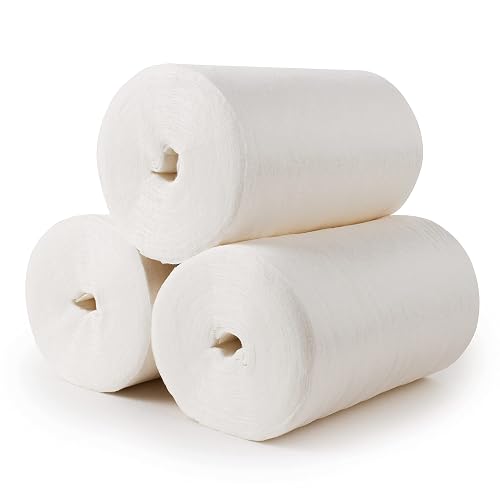 Best for soft, gentle feelDiaper Liners Made Of Soft Material | 100 Sheets Per Roll | For ClothView on Amazon
- 5
 Best budget pickwegreeco Unscented Diaper Liners,Fragance Free and Chlorine Free – 100View on Amazon
- 6
 Best multipack for stocking upBlueSnail Rayon Unscent Diaper Liners – Fragrance and Chlorine Free (4PK) 400 CountView on Amazon
Our Top Picks
Quick Comparison
| Product | Best for | Key feature |
|---|---|---|
| Naturally Nature Disposable Cloth Diaper Liners | Families wanting a fragrance-free, chlorine-free basic liner | 200 sheets in two 100-sheet rolls |
| Esembly Tossers Disposable Bamboo from Viscose Liners | Eco-minded families | Bamboo-viscose blend, 200 liners |
| ALVABABY Diaper Liner | Large-volume users | 400 sheets, 11.8 x 7.1 inch size |
| Nora’s Nursery Soft Diaper Liners | Sensitive skin and a softer feel | 100 sheets per roll, soft material |
| wegreeco Unscented Diaper Liners | Trying liners on a budget | Single 100-sheet roll |
| BlueSnail Rayon Unscented Diaper Liners | Stocking up for the long run | 400 sheets in a 4-pack |
Naturally Nature Disposable Cloth Diaper Liners, Unscented, Fragrance-Free, Chlorine Free Diaper Inserts – 200 Count
Naturally Nature Disposable Cloth Diaper Liners, Unscented, Fragrance-Free, Chlorine Free Diaper Inserts – 200 Count – (2 Rolls, 100 Sheets per Roll)
Best for: Families who want a straightforward, fragrance-free liner with a large supply on hand.
This is a solid all-around choice for parents who already use cloth diapers and want a basic liner that does its job without added scents or bleach-processed fibers. It suits households doing daily changes who prefer to buy in bulk.
Key specs
- 200 total sheets (2 rolls of 100)
- Unscented and fragrance-free
- Chlorine-free, as stated in the listing
Pros
- Fragrance-free formulation suits sensitive skin
- Two-roll packaging makes it easy to keep one in the diaper bag
- Chlorine-free processing is clearly stated on the listing
Cons
- Sheets are thinner than some owners expect, so double-layering may be needed for heavy wetters
- Roll-style dispensing can be awkward to pull from one-handed
Bottom line: A dependable, no-frills liner for parents who want fragrance-free basics in a good supply size.
Esembly Tossers – Disposable Bamboo from Viscose Diaper Liners for Cloth Diapers – Earth-Friendly, Fragrance-Free, Chlorine-Free – One Size, 200 Liners
Esembly Tossers – Disposable Bamboo from Viscose Diaper Liners for Cloth Diapers – Earth-Friendly, Fragrance-Free, Chlorine-Free – One Size, 200 Liners (2-Pack of 100-Liner Rolls)
Best for: Eco-minded families who want a plant-based fiber option.
Parents who prioritize natural materials and are comfortable with a viscose-based liner will find this one appealing. It works well for families who plan to flush solids and want a liner that breaks down more readily than synthetic fabrics.
Key specs
- 200 liners (2 rolls of 100)
- Bamboo-from-viscose material, per the listing
- One-size fit for standard cloth diapers
Pros
- Plant-derived fiber aligns with eco-focused priorities
- Fragrance-free and chlorine-free as listed
- One size works across standard cloth diaper brands
Cons
- Viscose can feel slightly less substantial when wet compared with some rayon liners
- Check your local rules before flushing, since septic systems may not handle liners well
Bottom line: The right pick for parents who want the most plant-based option and are comfortable checking disposal guidance.
ALVABABY Diaper Liner for Baby Cloth Diapers Natural Soft Disposable 11.8×7.1 Inch Fragrance Free Chlorine Free 400 Sheets
ALVABABY Diaper Liner for Baby Cloth Diapers Natural Soft Disposable 11.8×7.1 Inch Fragrance Free Chlorine Free 400 Sheets
Best for: Households going through liners quickly and wanting a large count per purchase.
With 400 sheets, this suits families with multiple children in cloth, or anyone who changes diapers frequently and wants to avoid restocking often. The 11.8 x 7.1 inch sheet size is generous for covering the diaper interior.
Key specs
- 400 sheets total
- Sheet size 11.8 x 7.1 inches, per the listing
- Fragrance-free and chlorine-free, per the listing
Pros
- High sheet count for heavy use
- Generous sheet dimensions give good coverage
- Fragrance-free formulation
Cons
- Large initial purchase may be more than a new cloth diaper user needs
- Some owners report the sheets feel lighter than premium rayon options
Bottom line: A strong choice for high-volume cloth diapering households that value a big supply.
Diaper Liners Made Of Soft Material | Nora’s Nursery Soft Diaper Liners | 100 Sheets Per Roll | for Cloth Diaper
Diaper Liners Made Of Soft Material | 100 Sheets Per Roll | For Cloth Diaper Changes | Soft Disposable Sheets | Cloth Diapers Nora's Nursery Soft Diaper Liners | 100 Sheets Per Roll | for Cloth Diaper
Best for: Babies with sensitive skin who benefit from a softer liner surface.
Parents who notice redness or irritation may appreciate a liner marketed specifically for soft contact with skin. It is a good option for a single-roll trial before committing to a larger multipack. 5 Best Pails for Cloth Diapers Compared for Fresh Nurseries (2026) goes further into this.
Key specs
- 100 sheets per roll
- Soft material, as described in the listing
- Designed for cloth diaper changes
Pros
- Marketed for a soft, gentle feel against skin
- Single-roll size is easy to try first
- Works with standard cloth diaper systems
Cons
- Fewer total sheets than the multipacks on this list
- Softness can vary by owner perception, so a trial roll is sensible
Bottom line: Best suited to parents of sensitive-skinned babies who want a gentle surface and a low-commitment starting size.
wegreeco Unscented Diaper Liners, Fragrance Free and Chlorine Free – 100 Sheets Per Roll (1 Roll)
wegreeco Unscented Diaper Liners,Fragance Free and Chlorine Free – 100 Sheets Per Roll (1 Roll)
Best for: Budget-conscious families and first-time cloth users testing liners.
A single roll makes this a low-risk way to see whether liners fit your routine. It covers the basics of fragrance-free, chlorine-free construction in a compact package.
Key specs
- 100 sheets per roll, single roll
- Unscented and fragrance-free
- Chlorine-free, per the listing
Pros
- Easy entry point for trying liners
- Fragrance-free and chlorine-free
- Compact to store in a changing bag
Cons
- Only 100 sheets, so frequent restocking for daily users
- Per-sheet value is lower than the larger multipacks
Bottom line: A sensible starter pick for trying liners before buying in bulk.
BlueSnail Rayon Unscent Diaper Liners – Fragrance and Chlorine Free (4PK) 400 Count
Rayon Unscent Diaper Liners- Fragance Free and Chlorine Free(4PK) 400 Count by BlueSnail(White)
Best for: Parents who want a large rayon-based supply that lasts for months.
Rayon liners are widely used and generally well regarded for absorbency and a light feel. This four-pack gives a long runway for families who have settled on liners as part of their routine.
Key specs
- 400 total sheets (4-pack)
- Rayon material, per the listing
- Unscented, fragrance-free, and chlorine-free
Pros
- Large total count for long-term use
- Rayon is a common, well-understood liner fiber
- Fragrance-free formulation
Cons
- Requires a sizable upfront commitment
- Rayon liners still need disposal according to local guidance, not standard trash in every area
Bottom line: Ideal for committed cloth families who want to buy once and not think about restocking for a while.
Buying Guide
Material: rayon, viscose, and what they mean for you
Most disposable liners use rayon or a viscose-based fiber. Rayon tends to feel light and absorbs quickly, while viscose is often marketed as more plant-based. Check the listing for the stated fiber and whether it is labeled fragrance-free and chlorine-free. Look for clear material disclosure rather than vague “natural” claims.
Good picks for this: Esembly Tossers Disposable Bamboo from Viscose Liners, BlueSnail Rayon Unscented Diaper Liners
Fragrance and chemical content
Fragrance-free and chlorine-free labels matter most for babies with sensitive skin. Scents can irritate, and chlorine bleaching is a processing step many families prefer to avoid. Confirm both claims on the packaging or listing before you buy, since formulations can change between batches.
Good picks for this: Naturally Nature Disposable Cloth Diaper Liners, Nora’s Nursery Soft Diaper Liners
Sheet size and fit
Measure the interior of your cloth diaper before buying. Sheets around 11 to 12 inches long and 7 inches wide cover most standard pocket and all-in-one interiors. Undersized sheets leave the diaper exposed, and oversized ones can bunch. The ALVABABY listing specifies 11.8 x 7.1 inches, which makes it easy to check against your diaper.
Good picks for this: ALVABABY Diaper Liner for Baby Cloth Diapers, Esembly Tossers Disposable Bamboo from Viscose Liners
Sheet count and value per use
Divide the price of a pack by its total sheets to compare real value, but avoid decision-making based on specific dollar figures that change often. Consider how many changes you make per day. A baby going through eight to ten changes daily will use a 100-sheet roll in roughly ten to fourteen days, so plan restocking accordingly.
Good picks for this: BlueSnail Rayon Unscented Diaper Liners, ALVABABY Diaper Liner for Baby Cloth Diapers
Absorbency and layering
Liners are meant to protect the diaper and make cleanup easier, not to be the main absorbent layer. For heavy wetters or overnight use, many parents double-layer a liner or pair it with a separate absorbent insert. Check how a liner handles moisture before relying on it alone at night.
Good picks for this: Nora’s Nursery Soft Diaper Liners, wegreeco Unscented Diaper Liners
Disposal and septic considerations
Many liners are labeled flushable, but flushing rules differ by municipality and by septic system. Some utilities advise against flushing any liner. Check your local wastewater guidance and avoid flushing if you have a septic tank, unless the manufacturer and your local authority confirm it is acceptable. Otherwise, dispose of liners in the trash in a sealed bag.
Good picks for this: Esembly Tossers Disposable Bamboo from Viscose Liners, Naturally Nature Disposable Cloth Diaper Liners
Roll format and convenience
Roll packaging is common, but dispensing varies. Pre-cut sheets on a roll are easier to pull one-handed during a change. Smaller rolls fit well in a diaper bag, while multipacks are better kept at home. Think about where you will change most often before choosing a format.
Good picks for this: wegreeco Unscented Diaper Liners, Nora’s Nursery Soft Diaper Liners
FAQ
Do disposable liners make cloth diapering easier?
Yes, for many families. A liner catches solids so you can lift them out with less mess, and it keeps the reusable diaper from staining. It does not replace washing, but it reduces scrubbing and can help with stain prevention.
Are disposable liners the same as flushable liners?
Not always. “Disposable” means you throw the liner away after use. “Flushable” means the manufacturer claims it can go down the toilet. Even flushable liners may not break down well in every plumbing system, so check local guidance and your septic situation.
What does fragrance-free and chlorine-free mean on a liner?
Fragrance-free means no added scent. Chlorine-free means the fibers were not bleached with chlorine-based processes. Both claims should appear on the packaging or listing, and they matter most for babies with sensitive skin.
How many liners should I use per change?
Usually one liner per change is enough for light to moderate wetting. For heavier use or overnight, you may layer two, or pair the liner with a separate absorbent insert. Check how the diaper performs before making changes to your routine.
Can I use liners with all cloth diaper types?
Most liners fit common designs including pocket diapers, all-in-ones, and prefolds used with covers. Measure your diaper interior first. Some all-in-one and fitted diapers have different shapes, so confirm the sheet size fits.
How should I store disposable liners?
Keep them in a dry place, away from moisture and direct sunlight, in their original packaging or a sealed container. Moisture can weaken the sheets and make them harder to separate from a roll.
Should I consult a professional about diaper rash or skin reactions?
Yes. If your baby develops persistent redness, rash, or irritation, speak with your pediatrician. A product change may help, but a medical professional can rule out other causes and recommend treatment.
Conclusion
For most families, the best disposable liners for cloth diapers are the ones that match your priorities: fragrance-free and chlorine-free labeling, sheet size that fits your diapers, and a supply that matches how often you change. Naturally Nature suits families wanting a basic, dependable liner. Esembly Tossers fits parents who prioritize plant-based fiber and are comfortable checking disposal rules. ALVABABY and BlueSnail work best for high-volume households, while Nora’s Nursery is a good choice for sensitive skin. wegreeco is an easy starter roll for budget-minded parents. Start with a smaller count to confirm the fit and absorbency before buying in bulk.
Sources
- Guidance on household waste disposal and what belongs in the trash versus recycling (epa.gov)
- Product safety information and consumer guidance on infant products (cpsc.gov)
- Pediatric guidance on infant skin care and diaper rash prevention (aap.org)
Related reading
- Are Cloth Diapers Cheaper Than Disposable? 3 Best Liners to Compare (2026)
- 5 Best Disposable Liners Cloth Diapers for Easy Cleanup (2026)
- 7 Best Cloth Diapers with Disposable Insert for Easy Cleanup (2026)
About Ethan Brooks
Ethan Brooks is part of our editorial team and reviews and edits our natural & eco parenting guides, checking product details against manufacturer specifications and owner feedback.


