By Graham Palmer
For most families, cloth versus disposable diapers comes down to trade-offs rather than a single right answer. Cloth diapers win on waste reduction, ingredient control, and long-term use, while disposables win on convenience, travel, and short-term simplicity. If you have time for regular laundry and want to limit landfill waste, cloth is usually the better fit. If you need something easy for daycare, travel, or nights when you are running on empty, a high-quality disposable is a reasonable choice, especially if you pick a fragrance-free, chlorine-free option.
| Criterion | Cloth Diapers | Disposable Diapers |
|---|---|---|
| Waste output | Reusable for many cycles; little landfill waste per child | Thousands of single-use diapers per child, sent to landfill |
| Upfront effort | Requires setup: pail, liners, wet bags, and a wash routine | Open the pack and go |
| Ongoing labor | Pail, rinse, wash, dry, and fold or stuff | Remove, wrap, and toss |
| Ingredient exposure | You choose fabric and detergent; fewer added chemicals if you select them carefully | Superabsorbent polymers, fragrance options, and bleaching agents vary by brand |
| Skin irritation risk | Generally lower with natural fibers and gentle detergents, but rinsing matters | Can irritate sensitive skin; fragrance-free versions reduce this |
| Travel and daycare | Workable with wet bags and a travel kit, but bulkier | Easiest option for trips, childcare, and outings |
| Leak management | Depends on fit and insert layering; learning curve | Predictable absorbency for most sizes |
| Water and energy use | Regular washing uses water, energy, and detergent | Manufacturing uses significant resources; no home washing |
Waste: Cloth Wins Clearly
A baby in disposables typically goes through roughly 6 to 10 diapers a day in the early months, tapering as they grow. Over two to three years of diapering, that adds up to several thousand diapers per child. Each one is designed for a single use and ends up in a landfill, where it can take centuries to break down.
Cloth diapers are reused for multiple children in many families, and a well-cared-for set can last through several cycles of babies or be resold. The waste reduction is real, though it depends on whether you use the diapers long enough to make the switch worthwhile. Disposable diaper waste is one of the more visible contributions to household trash, and cloth is the clear winner here.
Winner: Cloth diapers.
Convenience: Disposables Win
Disposables require nothing beyond opening the package. There is no pail to empty, no laundry cycle to schedule, and no need to pack a wet bag for a day out. For many parents, especially those returning to work or managing multiple children, that simplicity is a real benefit rather than a minor perk.
Cloth requires a routine. You will need a pail with a lid, a way to handle solid waste (flushable liners or a diaper sprayer make this easier), a wet bag for outings, and a washing schedule. If you are new to the system, the early weeks take adjustment. Cloth Diapering for Beginners: How Cloth Diapers Work covers the basics of how the system fits together, and Setting Up a Cloth Diaper Changing Station at Home can help you organize your space so the routine feels manageable.
Winner: Disposable diapers.
Ingredients and Skin Health: Cloth Gives You More Control
Disposable diapers typically use a superabsorbent polymer in the core, along with a nonwoven topsheet, adhesives, and sometimes fragrance or lotions. Many brands now offer fragrance-free and chlorine-free versions, which is a good step if you want to limit exposure. Still, you are trusting the manufacturer’s ingredient list and any third-party certifications it carries.
With cloth, you choose the fiber (cotton, bamboo, hemp, or wool blends), and you control the detergent. Fiber choice matters: organic cotton and hemp are often preferred by parents seeking fewer processing chemicals, while bamboo-derived rayon goes through a chemical process that varies by manufacturer. A Guide to Cloth Diaper Fabrics and Materials explains the trade-offs in more detail. Detergent matters too. Look for plain, fragrance-free formulas without optical brighteners or fabric softeners, which can reduce absorbency and cause buildup. Choosing and Stripping Cloth Diaper Detergent walks through what to look for.
Skin irritation can happen with either option. With cloth, buildup from detergent or incomplete rinsing is the most common culprit. With disposables, sensitivity to fragrance or specific materials is more likely. If your baby has persistent rashes, talk to your pediatrician before changing products.
Winner: Cloth diapers, for parents who want to control what touches their baby’s skin. Fragrance-free disposables are a close second for parents who prefer a simpler approach.
Cost of Ownership: Cloth Often Pays Off Over Time
Cloth diapers have a higher upfront investment because you need enough diapers, inserts, covers, and accessories to get through washing cycles. Disposables have a lower entry point but add up steadily over the months you use them. Because the comparison depends heavily on brand, the number of children you plan to diaper, and how long you keep using cloth, it makes more sense to compare your own totals than to rely on a general figure. Budget-minded families often choose a smaller starter set of cloth and add to it as needed, and some reuse diapers for a second child, which lowers the per-child cost considerably.
Keep in mind that cloth has ongoing costs: water, electricity, detergent, and occasional repairs or replacements of elastic and snaps.
Winner: Cloth diapers for families planning multiple children or long-term use. Disposables for families who only need short-term coverage.
Travel, Daycare, and Caregivers: Disposables Win
If your baby goes to daycare, a grandparent’s house, or a babysitter, disposables are far easier for other people to handle. Many childcare centers require disposables or have policies that make cloth difficult, so check first. Caregivers who are unfamiliar with cloth may need coaching, and some parents send a daycare-friendly cloth set with clear instructions.
Travel is similar. Cloth can work on trips with a wet bag, a small supply of clean diapers, and a plan for washing, but disposables reduce the packing load and the number of soiled items you carry.
Winner: Disposable diapers.
Leaks and Fit: Both Have a Learning Curve
Disposables are designed for predictable absorbency at each size, and most parents find them reliable if they choose the right size. Cloth leaks are often a matter of fit, insert layering, and overnight needs. Most leaks come from gaps at the legs or waist, insufficient absorbency for a heavy wetter, or a cover that was not fully dried. Solving Common Cloth Diaper Leaks and Odors covers the most common fixes, and How to Use and Layer Cloth Diaper Inserts explains how to match inserts to your baby’s needs.
Odor is another common concern with cloth, usually caused by ammonia buildup from inadequate washing or incomplete rinsing. Regular washing and occasional stripping usually resolve it.
Winner: Disposable diapers for immediate reliability; cloth becomes reliable once you dial in your system.
Environmental Impact Beyond Landfill: It Is Complicated
Cloth diapers require water and energy every time you wash them, and the impact depends on your local water supply, how you heat water, and whether you line-dry. Disposables require raw materials and manufacturing energy for every diaper. Studies comparing the two have reached different conclusions depending on assumptions, and no single figure applies to every household. What is clear is that cloth reduces the volume of waste going to landfill and that efficient washing habits, such as full loads, cold or warm washes, and air drying, lower the footprint of cloth. Proper Methods for Drying Cloth Diapers covers drying approaches that save energy.
Winner: Cloth diapers for most households, especially with efficient washing habits.
Which Should You Choose?
- Choose cloth if you want to reduce waste, you are comfortable with a weekly laundry routine, and you plan to use diapers for a long stretch or for more than one child.
- Choose disposables if your baby is in daycare, you travel often, your caregivers are not comfortable with cloth, or you need something that works with minimal planning.
- Consider a hybrid if you want cloth at home and disposables for outings or nights. Many families do this, and it lowers the pressure to make a single all-or-nothing choice.
- Choose fragrance-free disposables if you want convenience but still care about ingredients. Read the full ingredient list and look for clear third-party certifications rather than vague “natural” claims.
- Choose cloth if your baby has sensitive skin and you want full control over fibers and detergent, but plan to rinse thoroughly and monitor for buildup.
Product Options
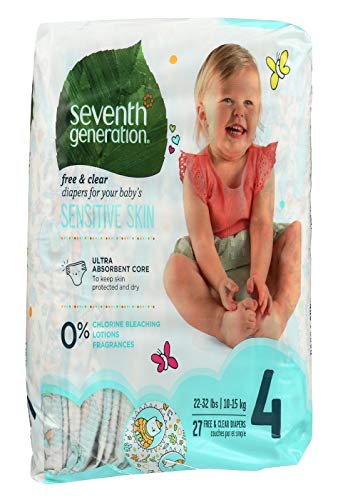
If you decide on cloth, a good starting point is a small set of all-in-one or pocket diapers from an established brand, plus a few inserts and a wet bag. If you decide on disposables, look for fragrance-free, chlorine-free options with clear ingredient lists. Here are examples of each type:
Cloth option: View on Amazon
Disposable option: View on Amazon
FAQ
Are cloth diapers actually better for the environment?
Cloth diapers reduce landfill waste substantially because each diaper is reused many times. The overall environmental picture also includes water and energy for washing, so efficient habits matter. For most households, cloth has the lower waste footprint, but the answer depends on your washing routine and local conditions.
How many cloth diapers do I need to start?
Many parents start with somewhere between 18 and 24 diapers or inserts and covers, which allows roughly two days of washing with a buffer. The exact number depends on how often you wash and how many diapers your baby uses per day. Starting smaller and adding as needed is a common approach.
Do cloth diapers cause more rashes than disposables?
Rashes can happen with either. Cloth rashes are often linked to detergent buildup or incomplete rinsing, while disposable rashes are more often linked to fragrance or specific materials. If your baby has a persistent rash, check with your pediatrician to rule out other causes.
Can I use cloth diapers at daycare?
Some daycares accept cloth diapers, but many require disposables or have policies that make cloth difficult. Ask the center directly before you commit. Some families send a labeled cloth set with a wet bag and clear instructions for caregivers.
Is a hybrid approach worth it?
Yes, for many families. Using cloth at home and disposables for outings, nights, or childcare reduces waste compared with disposables alone while keeping the routine manageable. It also gives you time to decide whether full-time cloth is a good fit.
Conclusion
Cloth versus disposable diapers is less about a universal winner and more about matching the choice to your household. Cloth delivers lower waste, more control over ingredients, and potential long-term savings, but it asks for a regular routine. Disposables offer convenience and easy handling for caregivers, at the cost of ongoing waste and less control over materials. If you are unsure, start with a small cloth set or a fragrance-free disposable and adjust as you learn what your family needs. If your baby has a persistent skin condition or you have questions about diapering and health, consult your pediatrician.

About Graham Palmer
Graham focuses on practical advice for natural & eco parenting: what matters before you buy, what to skip, and how to get more out of what you already own.