 By Audrey Hayes
Updated November 2026
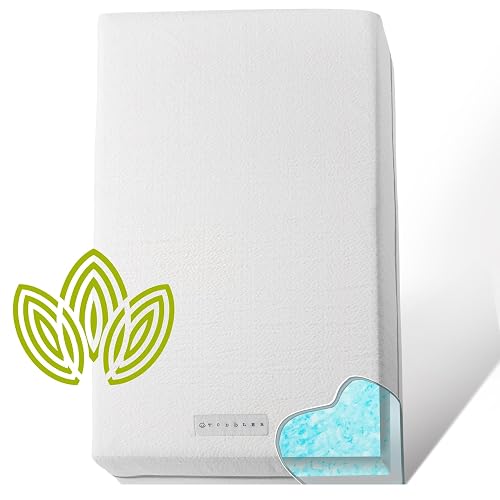
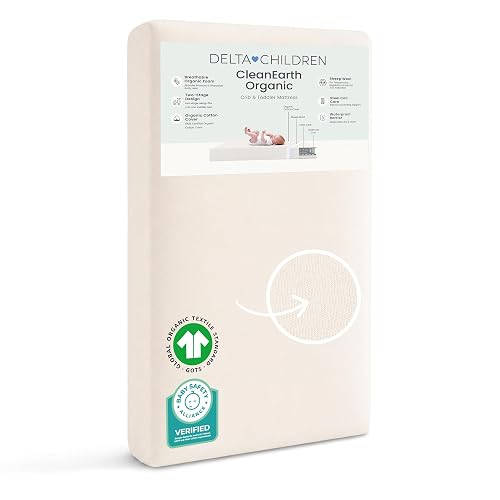
A Nook organic pure crib mattress is marketed as a firm, breathable sleep surface made with organic materials and no added chemical flame retardants. In this guide you will learn how to read the certifications and materials claims, check fit and firmness for safe sleep, and decide whether this type of mattress matches your priorities. Because infant sleep safety is a serious topic, the checklist below also covers the federal guidance you should confirm before any purchase.
What “Organic” and “Pure” Actually Mean on a Crib Mattress
Marketing terms on bedding are not all regulated in the same way, so it helps to separate the words from the proof. “Organic” on a textile usually traces back to a certification body, and “pure” or “natural” often has no defined standard at all. Before you trust the label, look for the specific documents behind it.
Shopping for one? See our guide: 6 Best Avocado Organic Crib Mattress Options for Safe Sleep.
- GOTS (Global Organic Textile Standard): Covers organic fiber content and restrictions on processing chemicals. Check whether the certificate names the manufacturer and the product, not just the brand.
- GOLS (Global Organic Latex Standard): Applies to natural latex foam cores. If a mattress uses latex, this is the certification to look for.
- OEKO-TEX Standard 100: Tests finished textiles for harmful substances. It is a useful secondary signal for components like ticking and fill.
- GREENGUARD or CertiPUR-US: These address emissions and foam chemistry. Their presence matters most for synthetic foam layers.
Ask the manufacturer for certificate numbers and check them on the certifying body’s own database. Certificates can expire or cover only part of a product line.
Step 1: Confirm the Crib Mattress Meets Federal Safety Standards
Any crib mattress sold in the United States must meet the Consumer Product Safety Commission’s standard for full-size and non-full-size infant sleep products. The organic claims are secondary to this baseline. A mattress that is not compliant is not a safe purchase, regardless of its materials.
Verify the following before you buy:
- The mattress fits a standard crib: typically 27¼ inches by 51¼ inches for a full-size crib, or the dimensions the manufacturer lists for a non-full-size model.
- The gap between the mattress edge and the crib side is less than two finger-widths. Test this by pressing two fingers flat against the gap.
- The mattress is firm enough to hold its shape when you press on it. A sagging surface can create a soft zone that increases suffocation risk.
- The mattress is sold as a crib mattress, not a toddler or youth mattress, unless you are moving a child to a different bed.
Step 2: Evaluate Materials and Construction
Organic claims usually apply to a few distinct layers. Map each one so you know what you are paying for.
| Layer | What to ask | Why it matters |
|---|---|---|
| Cover / ticking | Is it certified organic cotton (GOTS) or another natural fiber? | This is the layer closest to baby’s face and hands. |
| Core or base foam | Is it natural latex, organic cotton, or synthetic foam? Which certifications apply? | Determines firmness, breathability and off-gassing. |
| Flame barrier | Is it a wool or other natural barrier, or a chemical treatment? | Federal rules require flame resistance, and manufacturers meet it in different ways. Ask which method is used and whether it is certified. |
| Quilting and fill | Is the fill organic and sealed inside the cover? | Loose or exposed fill can shift and create gaps. |
If a brand cannot tell you what the flame barrier is made of, treat that as a red flag. Transparency about construction is the best predictor of whether the organic claims hold up.
Step 3: Check Firmness and Breathability
For infant safety, a firm, flat surface is the goal. Soft bedding and pillowy mattresses are associated with higher risk, so firmness is not just a comfort preference. Press the center and edges with your palm. A healthy crib mattress should spring back quickly and show almost no indentation under a firm press.
Breathability matters too. Look for a surface that allows air to move through the core, and avoid anything described as plush or cushioned for infant use. Ask the manufacturer whether the product is designed for use with a fitted sheet only, since extra padding or aftermarket toppers can change the sleep surface.
Step 4: Plan Protection and Care
Organic mattresses are still exposed to spit-up, diaper leaks and wear. A waterproof protector that is also organic keeps the core clean without adding synthetic coatings to the sleep surface. Choose a protector that is thin, fits snugly, and does not add padding. Wash the cover and protector according to the label, and air-dry them fully before reuse, since trapped moisture can cause mold.
Step 5: Compare Against Your Priorities
Make a short list of what matters most to you: certifications, price range, weight, or ease of cleaning. Then compare two or three options side by side. The fact that a mattress is organic does not automatically make it the best fit for your nursery, your budget or your baby’s sleep needs.
Common Mistakes
- Trusting the word “organic” without a certificate number to check.
- Assuming a mattress is safe because it is expensive. Compliance with federal standards is the baseline.
- Adding a thick topper or soft pad for comfort, which changes the firm sleep surface.
- Using a gap-filling wedge or leaving extra space between the mattress and crib sides.
- Buying a toddler or youth mattress and using it in a crib.
- Skipping the finger-gap test after the mattress softens or shifts over time.
Tips for a Safer Nursery Setup
- Place baby on their back on a firm, flat surface for every sleep.
- Keep the crib free of pillows, blankets, bumpers and stuffed toys.
- Use a fitted sheet made for your exact mattress size.
- Recheck fit and firmness every few months, especially as the mattress ages.
- If you have a concern about a specific product, contact the manufacturer and the Consumer Product Safety Commission.
Recommended gear
A few supporting items make an organic crib setup easier to maintain. Choose each one for its function rather than for marketing claims.
- Organic waterproof crib mattress protector: A thin, fitted barrier that protects the core from leaks and is easy to launder. View on Amazon
- Organic cotton fitted crib sheet: Sized to your mattress and made from certified organic cotton, so the sleep surface stays consistent. View on Amazon
- Crib mattress measuring tape: Lets you confirm the gap between the mattress and the crib frame before you buy and after you assemble. View on Amazon
Related Reading
If you are still comparing options, start with a broader overview such as Organic Mattress for Crib: A Step-by-Step Guide to Safe Sleep (2026). For a closer look at how a specific brand’s construction is described, see Naturepedic Organic Cotton Crib Mattress: How to Choose the Right One (2026). Readers who want to compare firmness and layering options can also review Organic Dream 2-stage Crib Mattress: A Practical Guide (2026). For protection, Organic Cotton Waterproof Crib Mattress Pad: How to Choose and Use One Safely covers what to look for in a pad.
FAQ
Is a Nook organic pure crib mattress safe for infants?
Safety depends on compliance with federal crib standards, a firm and flat surface, and a proper fit in your crib. Organic materials do not replace these requirements. Check the product’s compliance documentation and follow safe sleep guidance.
What does “pure” mean on a crib mattress label?
“Pure” is not a standardized term for crib mattresses. Treat it as marketing language and ask the manufacturer which specific materials and certifications it refers to.
How do I verify an organic certification?
Request the certificate number and license holder name from the manufacturer, then search the certifying body’s public database, such as the GOTS database for organic textiles or the GOLS database for latex.
How firm should a crib mattress be?
It should be firm and hold its shape under pressure. Press the surface with your palm; it should rebound quickly and show little dip. Soft or sagging mattresses are not recommended for infant sleep.
How do I check the fit in the crib?
Place the mattress in the frame and press two fingers flat against the gap between the mattress edge and the crib side. If you can fit more than two fingers, the gap is too large and the mattress may not be the correct size.
Can I use a mattress topper or pad with an organic crib mattress?
Avoid adding toppers or thick pads unless the manufacturer specifically approves them for use in a crib. Thin, fitted, waterproof protectors that do not add cushioning are the usual exception.
How often should I replace a crib mattress?
Replace the mattress if it is damaged, sagging, no longer fits the crib snugly, or if the manufacturer sets an age limit. Recheck firmness and fit regularly.
Who should I ask if I have safety concerns about a crib mattress?
Contact your pediatrician with general sleep questions, the manufacturer with product-specific concerns, and the Consumer Product Safety Commission to report a hazard or check recalls.
Conclusion
A Nook organic pure crib mattress is worth evaluating on three levels: federal safety compliance, verifiable organic certifications, and a firm, well-fitting sleep surface. Confirm each claim against documents rather than marketing language. Pair the mattress with a thin organic protector and a properly sized fitted sheet, and recheck fit as the mattress ages. For specific medical or sleep-safety questions, consult your pediatrician.
Related reading
- Simmons Organic Crib Mattress: What to Check Before You Buy (2026)
- Simmons Naturally Safer Organic Crib Mattress: 5 Best Options Compared (2026)
- Simmons Beautyrest Organic Crib Mattress: What to Check Before You Buy (2026)
Ready to choose one?
About Audrey Hayes
Audrey Hayes is part of our editorial team and reviews and edits our natural & eco parenting guides, checking product details against manufacturer specifications and owner feedback.