As an Amazon Associate I earn from qualifying purchases. This page may contain affiliate links.
Organic dry baby food covers a range of products: freeze-dried purees, dry cereals, puffs and snack packs that you rehydrate or serve as finger food. Parents usually look for it because it is shelf-stable, travels well and lets them control ingredients more closely than with many jarred purees. The catch is that “dry” and “organic” do not always mean what parents expect, so this guide focuses on the details that matter: USDA organic certification, the ingredient list, the feeding stage on the label, and how the food is prepared for the baby.
Our Top Picks
Each pick below is based on product specifications, brand reputation and the patterns that owners tend to report. None of these were tested in a lab or used by the author, so check the current listing and packaging before buying.
Quick Comparison
| Product | Best for | Key feature |
|---|---|---|
| Happy Yogis Yogurt Snacks | Toddlers who want self-feeding snacks | Freeze-dried yogurt bites in fruit flavors |
| HAPPY BABY Clearly Crafted Stage 2 Variety Pack | Babies moving to pouch-style fruit and veggie blends | Clear pouch showing ingredients inside |
| Earth’s Best Organic Whole Grain Oatmeal Cereal | Starting solids around 4 months | Single-grain, iron-fortified infant cereal |
| Gerber Stage 1 Veggie Variety Puree Tubs | First-stage veggie introductions | Single-vegetable purees in small tubs |
| HAPPY BABY Savory Blends Stage 3 Pouch Pack | Older babies ready for meat and grain textures | Chicken, beef and turkey blends with quinoa |
| Gerber Organic 2nd Foods Pouch Variety Pack | Families who want a large, mixed fruit and veggie supply | 18-pouch variety set |
| Amara Organic Stage 2 Oats & Berries | Shelf-stable cereal to mix with breastmilk or water | Shelf-stable pouches with organic oats and berries |
| Truths2 Organic Freeze-Dried Sweet Potato Powder | Parents who want a single-ingredient first food | Freeze-dried sweet potato you rehydrate |
Happy Yogis Yogurt Snacks-Banana Mango, Mixed Berry, and Strawberry

Organic Baby Food Happy Yogis Yogurt Snacks-Banana Mango, Mixed Berry, and Strawberry- 1 oz Packs, 3-Count
This suits toddlers who are past the purée stage and want a dissolvable snack they can pick up and eat on their own. It is a snack, not a meal replacement, so pair it with other foods.
Key specs
- Organic freeze-dried yogurt snacks
- Three flavors: banana mango, mixed berry and strawberry
- 1 oz packs, 3-count
Pros
- Dissolves easily, which lowers choking risk compared with hard snacks
- Fruit flavors are familiar to most toddlers
- Small packs are easy to carry
Cons
- Not a complete meal, and the calorie density is modest
- Some owners report the packs get crushed in diaper bags, so a rigid container helps
HAPPY BABY Clearly Crafted Stage 2 Fruit & Veggie Variety Pack

USDA Organic & Vegan Baby Food, Full Serving of Veggies, Gluten-free, Clear Pouch Shows Real Ingredients Inside, Non-GMO HAPPY BABY Clearly Crafted, Stage 2, Fruit & Veggie Variety Pack, 4oz (10)
This works for parents who want a pouch-style option where they can see the ingredients through the clear packaging. It fits babies in the second stage of feeding, typically from about 6 months.
Key specs
- USDA organic and vegan
- Gluten-free and non-GMO per the brand’s labeling
- 4 oz pouches, 10-count variety pack
Pros
- Clear pouch lets you check ingredients and texture
- Variety of fruit and vegetable blends in one pack
- Stage 2 texture suits babies who have moved past smooth purées
Cons
- Pouches are single-serve, which creates packaging waste
- Thicker texture can be a challenge for babies new to lumpy foods
Earth’s Best Organic Whole Grain Oatmeal Baby Cereal

Earth's Best Organic Baby Food, Organic Whole Grain Oatmeal Baby Cereal, Infant Cereal for 4+ Months, Clean Label Project Purity Awarded, Non-GMO, Iron Fortified, Easily Digestible, 8 oz (Pack of 12)
This is a common first cereal for families starting solids around 4 months, when pediatric guidance usually supports introducing iron-fortified cereal. Mix it with breastmilk or formula to the consistency your doctor recommends.
Key specs
- Organic whole grain oatmeal
- Iron fortified
- Pack of 12, 8 oz each
Pros
- Single-grain formula makes it easy to track reactions
- Iron fortification addresses a nutrient that matters in early infancy
- Mixes smoothly into a thin consistency
Cons
- Plain flavor may not appeal to every baby
- Requires preparation with liquid, so it is less convenient on the go
Gerber Stage 1 Veggie Variety Puree Tubs
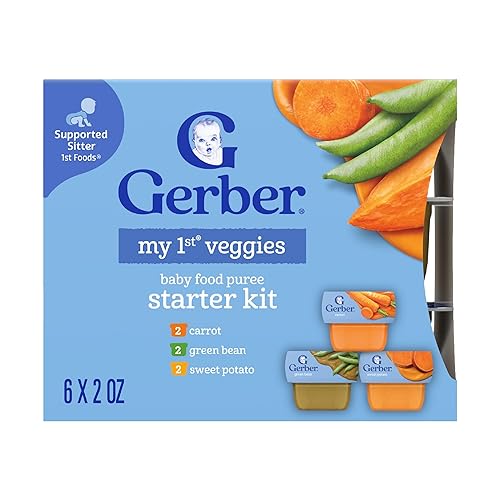
Stage 1 veggie puree variety; green bean, sweet potato, carrot; 12 x 2 oz tubs Gerber Stage 1 Baby Food, Veggie Variety Pack Puree Tubs, Baby Puree, 2PK
This is aimed at the first vegetable introductions, when parents are testing single flavors one at a time. The green bean, sweet potato and carrot combination keeps portions simple to manage.
Key specs
- Stage 1 veggie purée
- Flavors: green bean, sweet potato and carrot
- 12 tubs at 2 oz each
Pros
- Smooth purée texture suits early eaters
- Small tubs help limit waste when a baby refuses a flavor
- Widely available brand with familiar packaging
Cons
- Verify the organic status on the current label, as product lines change
- Mixed variety pack means you cannot test one vegetable at a time within the same pack
HAPPY BABY Savory Blends Stage 3 Meats & Veggies Variety Pack

USDA Organic Baby Food Pouch Variety Pack for Ages 7+ Months (4-Chicken, 2-Beef & 2-Turkey) with Quinoa & Veggies, Non-GMO HAPPY BABY Savory Blends Stage 3, Meats & Veggies Variety, 3.5oz (8 Pack)
This is for babies around 7 months and older who are ready for chunkier textures and protein. Families who want a meat-based option in a shelf-stable pouch will find it useful.
Key specs
- USDA organic
- Non-GMO per brand labeling
- 8-pack variety: chicken, beef and turkey blends with quinoa and vegetables
Pros
- Adds protein and savory flavors for older babies
- Quinoa adds texture and a plant-based protein source
- Shelf-stable pouches are convenient for travel
Cons
- Meat flavors may not suit every family’s preferences
- Smaller 3.5 oz pouches may run out quickly for older babies with bigger appetites
Gerber Organic Baby Food Pouches, 2nd Foods Fruit & Veggie Variety Pack

Gerber Organic Baby Food Pouches, 2nd Foods for Sitter, Fruit & Veggie Variety Pack, 3.5 Ounce (Set of 18)
This suits families who want a large supply of mixed fruit and vegetable pouches for second-stage feeding. The 18-pack makes it practical for daycare or caregivers.
Key specs
- Organic fruit and vegetable blends
- 3.5 oz pouches
- Set of 18
Pros
- Large count reduces repeat purchases
- Mixed flavors help babies build variety
- Pouches are easy for caregivers to pass around
Cons
- Single-serve pouches generate more packaging than bulk options
- Once opened, pouches need to be used within the time stated on the label
Amara Organic Stage 2 Oats & Berries Baby Cereal Pouches

Amara Organic Baby Food – Stage 2 – Oats & Berries – Baby Cereal to Mix With Breastmilk & Water – Shelf Stable Baby Food Pouches Made from Organic Fruit and Veggies – 5 Pouches, 3.5oz Per Serving
This works for parents who want a shelf-stable cereal pouch to mix with breastmilk or water. It is a practical option when refrigeration is limited.
Key specs
- Organic oats and berries
- Shelf-stable pouches
- 5 pouches, 3.5 oz per serving
Pros
- Shelf-stable format needs no refrigeration before opening
- Fruit flavor adds appeal for babies who reject plain cereal
- Easy to portion for travel
Cons
- Single-serve pouches are less economical for daily use
- Check the feeding instructions, since mixing consistency matters for safe feeding
Truths2 Organic Freeze-Dried Sweet Potato Food Powder

Truths2 Organic Freeze-Dried Sweet Potato Food Powder, Stage 1 Baby Puree Mix for Infants & Toddlers, Organic Powder for First Solid Food
This is a single-ingredient first food for parents who want to start with one plant and rehydrate it at home. It fits families who like controlling the consistency of each serving.
Key specs
- Organic freeze-dried sweet potato
- Powder format for rehydration
- Stage 1 positioning for infants and toddlers
Pros
- Single ingredient simplifies allergy tracking
- Powder can be thinned to the texture your baby needs
- Long shelf life compared with fresh purée
Cons
- Requires preparation, so it is less convenient than ready-to-eat pouches
- Sweet potato alone may not give a varied nutrient profile without additional foods
Buying Guide
Choosing organic dry baby food is mostly a matter of matching the product to your baby’s feeding stage and your daily routine. The sections below explain what to check on the label and how to avoid common mistakes.
Selection Criteria
Start with three questions: Is the product certified organic by the USDA or an equivalent program? Does the feeding stage match your baby’s development? Does the preparation method fit your household? A product that meets all three will serve you better than one with the most attractive packaging.
Important Features to Check
- USDA Organic seal: Look for the seal on the front or back. “Made with organic ingredients” means something different and may contain non-organic components.
- Ingredient list: Shorter lists are easier to track for allergies. Note any added salts, sugars or thickeners.
- Feeding stage: Stage labels are a guide, not a rule. Your baby’s readiness and your pediatrician’s advice matter more.
- Texture: Freeze-dried powders, puffs and pouches each need different handling. Check whether the product needs liquid, heat or hands-on prep.
- Packaging: Clear pouches show contents. Opaque containers protect nutrients from light.
Specs to Check Before You Buy
| Spec | What to look for |
|---|---|
| Organic certification | USDA Organic seal on the package |
| Serving size | Ounces per pouch or scoop, to match your baby’s appetite |
| Shelf life | Date code and storage instructions, especially after opening |
| Added ingredients | Salt, sugar, thickeners or flavorings |
| Iron content | Iron-fortified cereals if your pediatrician recommends them |
Choosing by Need
Starting solids around 4 to 6 months: Look for single-grain cereals or single-vegetable purées. Introduce one new food at a time and wait several days before adding another.
Older babies and toddlers: Snack formats like freeze-dried yogurt bites or finger foods help with self-feeding. Pouches with mixed textures support chewing development.
Travel and daycare: Shelf-stable pouches and dry cereal packs need no refrigeration until opened. Check the label for how long an opened pouch can be stored.
Single-ingredient introductions: Powder formats and single-vegetable purées make it easier to identify a reaction if one occurs.
Things to Watch Out For
- Added sugar and salt: Baby food should not need added sweeteners. Read the ingredient list closely.
- Choking hazards: Dry snacks and puffs should dissolve easily. Supervise every meal and snack, and never leave a baby alone while eating.
- Mislabeled stages: A pouch labeled for an older stage may be too thick for a newer eater.
- Reconstitution errors: Mixing powder with too little or too much liquid changes the nutrient balance and can affect safety. Follow the package directions exactly.
- Storage after opening: Dry products can absorb moisture. Close containers tightly and keep them in a cool, dry place.
If you have questions about allergies, iron needs or when to introduce specific foods, consult your pediatrician or a registered dietitian who works with infants.
For more on keeping homemade and store-bought foods safe, see Hygiene Tips for Storing Homemade Baby Food and Best Baby Food Storage Containers. If you are thinking about feeding gear as well, Silicone Baby Feeding Products Safety and Use covers materials to consider, and Understanding Plastic Codes for Baby Product Safety explains the recycling and safety codes you will see on packaging.
FAQ
Is organic dry baby food actually healthier than conventional?
Organic certification means the ingredients were grown and processed under USDA organic standards, which restrict synthetic pesticides and certain additives. It does not automatically make a food more nutritious than a conventional equivalent. Nutritional value depends mostly on the ingredients themselves, so compare labels for sugar, salt and fortification.
When can babies start eating organic dry baby food?
Most pediatric guidance supports starting solids around 6 months, though some babies are ready a little earlier or later. Iron-fortified cereal is often a first food. Talk to your pediatrician before starting, especially if your baby has a medical condition or a family history of allergies.
How do I prepare freeze-dried baby food powder?
Measure the powder according to the package directions and add liquid gradually, such as breastmilk, formula or water, mixing until you reach the texture your baby can manage. Use fresh liquid each time and discard any leftover mixture after the feeding, following the timing on the label.
How long does opened dry baby food last?
Storage times vary by product. Dry cereals and powders should be sealed tightly and kept dry. Once opened, pouches and mixed portions have a shorter window, and the label will state how long they keep. When in doubt, discard leftovers rather than saving them.
Are dissolvable snacks safe for toddlers?
Dissolvable snacks are generally considered lower risk than hard, crunchy snacks because they break down in the mouth. Still, every snack should be supervised, and toddlers should sit upright while eating. Ask your pediatrician if you have concerns about your child’s chewing or swallowing development.
Should I introduce only one new food at a time?
Many pediatric guidelines suggest introducing one new food at a time and waiting several days before adding another, so you can notice any reaction. This is especially useful with single-ingredient powders and purées. Follow your pediatrician’s guidance for allergens and timing.
Can dry baby food replace all other meals?
Dry baby foods are best used as part of a varied diet that includes fresh foods, breastmilk or formula as appropriate. Snacks and cereals alone do not provide everything a growing baby needs. A pediatrician or registered dietitian can help you plan balanced meals.
Conclusion
The right organic dry baby food depends on your baby’s feeding stage, your routine and what you want to control in the ingredient list. For first cereals, Earth’s Best Organic Whole Grain Oatmeal Baby Cereal is a common starting point. For first vegetables, the Gerber Stage 1 Veggie Variety Puree Tubs suit single-flavor introductions. Families who need travel-friendly, shelf-stable options may prefer the Amara Organic Stage 2 pouches, while parents who want to control a single-ingredient first food may look at the Truths2 Organic Freeze-Dried Sweet Potato Powder. Older toddlers who are learning to self-feed may find the Happy Yogis Yogurt Snacks useful. For meat-based meals in a pouch, the HAPPY BABY Savory Blends pack covers the older-baby range.
Whatever you choose, check the USDA Organic seal, read the full ingredient list, follow the preparation and storage instructions exactly, and talk to your pediatrician about timing and allergies.