By Ethan Brooks
Updated November 2026
Parents who use cloth diapers often reach for petroleum jelly cloth diapers as a protective barrier when a baby’s skin starts to look red or irritated. The right product protects skin without coating the diaper fabric so heavily that absorbency drops. In this guide we compare six options based on ingredient lists, manufacturer specifications, the skin-care use each product is marketed for, and patterns owners commonly report about cloth compatibility. Each pick is chosen for a specific need, from everyday barrier protection to a fragrance-free formula for sensitive skin.
Our top picks at a glance
- 1
 TOP CHOICEBest overallVaseline Baby Petroleum Healing Jelly Tube for Diaper Rash & Dry Skin 6.8ozView on Amazon
- 2
 TOP CHOICEBest for sensitive skinDynarex White Petrolatum, Petroleum Jelly Ointment, 144 Individual 5 Gram Foil PacksView on Amazon
- 3
 TOP CHOICEBest for cloth diaper safetyMotherlove Organic Herbal Diaper Cream (Cloth Diaper Safe)View on Amazon
- 4
 Best large-size valueVaseline 100% Pure Petroleum Jelly Baby, 2 Pack, 13 oz EachView on Amazon
- 5
 Best budget pickGerber Unisex Birdseye Prefold Cloth Diapers, 10 PackView on Amazon
- 6
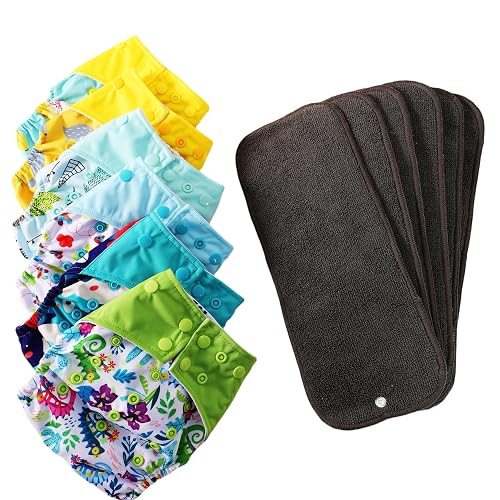
 Best complete starter setbabygoal Reusable Cloth Diapers for Girls, Adjustable Washable Nappy 6View on Amazon
Our Top Picks
The selection criteria were ingredient transparency, fragrance and additive content, package format, and how each product is positioned for use around cloth. Because petroleum jelly is a single-ingredient category, the main differences come from purity, added ingredients, and whether a brand specifically addresses cloth diapers. Note that the last two items are diapers, not creams; they are included because they are commonly paired with a barrier cream in a cloth routine.
Quick Comparison
| Product | Best for | Key feature |
|---|---|---|
| Vaseline Baby Petroleum Healing Jelly Tube | Everyday diaper rash prevention | Fragrance-free squeeze tube |
| Dynarex White Petrolatum Ointment | Sensitive skin and small-batch use | 144 individual 5 g foil packs |
| Motherlove Diaper Balm | Parents wanting a cloth-safe formula | Zinc oxide- and petroleum-free |
| Vaseline 100% Pure Petroleum Jelly Baby | High-volume household use | Two 13 oz jars |
| Gerber Birdseye Prefold Cloth Diapers | Budget-minded cloth starters | 10-pack, 3-ply prefolds |
| babygoal Reusable Cloth Diapers | Complete cloth starter kit | Adjustable pocket style with inserts and wet bag |
Vaseline Baby Petroleum Healing Jelly Tube for Diaper Rash & Dry Skin 6.8oz
Prevents & treats diaper rash, for sensitive skin; squeeze tube, fragrance-free, hypoallergenic, pediatrician-recommended Vaseline Baby Petroleum Healing Jelly Tube for Diaper Rash & Dry Skin 6.8oz
Best for: Everyday diaper rash prevention with a squeeze tube
This suits parents who want a familiar, widely available barrier cream they can apply in small amounts at each change.
Key specs
- Size: 6.8 oz tube
- Fragrance-free, hypoallergenic formulation per the listing
- Petroleum-based healing jelly for diaper rash and dry skin
Pros
- Squeeze tube makes thin, controlled application easy
- Fragrance-free formula is a common choice for sensitive skin
- Widely available for quick replacement
Cons
- Petroleum jelly can build up on cloth if applied thickly
- Smaller tube runs through faster in households with multiple babies
Bottom line: A strong default for parents who want a simple, familiar barrier for routine changes.
Dynarex White Petrolatum, Petroleum Jelly Ointment, 144 Individual 5 Gram Foil Packs
Dynarex White Petrolatum, Petroleum Jelly Ointment to Help Prevent and Treat Skin Irritation, Diaper Rash and Dryness, White, 144 Individual 5 Gram Foil Packs, Dynarex White Petrolatum
Best for: Sensitive skin and small-batch, single-use application
This suits parents who want to avoid opening a jar that may become contaminated, or who want to keep a portable supply in a diaper bag.
Key specs
- 144 individual packs
- 5 gram foil packs per unit
- White petrolatum ointment
Pros
- Single-use packs reduce cross-contamination risk
- Easy to carry in a diaper bag
- Consistent portion size for each change
Cons
- More packaging waste than a jar or tube
- Less economical for heavy daily use
Bottom line: Best for parents who prioritize hygiene and portability over packaging efficiency.
Motherlove Organic Herbal Diaper Cream (Cloth Diaper Safe)
Organic Herbal Diaper Cream—Cloth Diaper Safe, Zinc Oxide- & Petroleum-Free Motherlove Diaper Balm (4 oz Value Size)
Best for: Parents wanting a cloth-safe, petroleum-free formula
This suits families who specifically want a non-petroleum option, or who have read that some barrier products can cause buildup on cloth.
Key specs
- Size: 4 oz value size
- Marketed as cloth diaper safe
- Zinc oxide- and petroleum-free, per the listing name
Pros
- Designed with cloth diapers in mind
- Avoids petroleum, which some parents prefer
- Herbal formulation appeals to natural-focused families
Cons
- Typically a higher-priced option per ounce than basic petroleum jelly
- Not a true petroleum jelly, so it may not provide the same occlusive barrier
Bottom line: Ideal for cloth families who want to avoid petroleum entirely. Consult a pediatrician if rash persists.
Vaseline 100% Pure Petroleum Jelly Baby, 2 Pack, 13 oz Each
Vaseline, 100% Pure Petroleum Jelly Baby, Dermatologist Recommended, Hypoallergenic, Skin Protectant, Treat & Prevent Diaper Rash and Chafed Skin, Seals out Wetness, 2 pack -13 oz ea
Best for: High-volume household use
This suits families who go through barrier cream quickly, including those with multiple children or frequent diaper changes.
Key specs
- Two 13 oz jars
- 100% pure petroleum jelly, per the listing
- Dermatologist recommended, hypoallergenic, per the listing
Pros
- Large supply lasts for many changes
- Pure formula with no added fragrance listed
- Good value for households
Cons
- Jar format requires clean fingers or a spatula to avoid contamination
- Large jars may go rancid less quickly than small ones, but still need proper lid closure
Bottom line: The practical choice for families who want a big supply of a single-ingredient product.
Gerber Unisex Birdseye Prefold Cloth Diapers, 10 Pack
Gerber Unisex Baby Boys Girls Birdseye Prefold Cloth Diapers Multipack White 3-Ply 10 Pack
Best for: Budget-minded cloth starters
This suits parents trying cloth for the first time who want a simple, inexpensive set of prefolds to pair with a barrier cream.
Key specs
- 10-pack
- Birdseye cotton prefold style, 3-ply, per the listing
- White, unisex
Pros
- Simple, familiar prefold design
- Works with multiple fastening methods such as pins or covers
- Good absorbency for overnight use with a cover
Cons
- Requires folding and a cover, which adds a learning curve
- Can feel bulky on very young infants
Bottom line: A sensible low-commitment choice for families testing cloth diapering.
babygoal Reusable Cloth Diapers for Girls, Adjustable Washable Nappy with Inserts and Wet Bag
babygoal Reusable Cloth Diapers for Girls, Adjustable Washable Nappy 6pcs+ 6pcs Microfiber Inserts+One Wet Bag 6YDG08
Best for: Complete cloth starter kit
This suits parents who want a set that includes diapers, inserts, and a wet bag in one purchase, so they can start without assembling components separately.
Key specs
- Set includes 6 diapers, 6 microfiber inserts, and one wet bag, per the listing
- Adjustable sizing
- Listed for girls
Pros
- All-in-one starter set reduces guesswork
- Adjustable fit for growing babies
- Includes a wet bag for storage between washes
Cons
- Microfiber inserts can be sensitive to fabric softener and certain creams
- Set size may be limited for full-time cloth households
Bottom line: Good for parents who want a ready-to-use starter kit and plan to add barrier cream as needed.
Buying Guide
Ingredient Type: Petroleum vs. Plant-Based
Petroleum jelly is a single-ingredient occlusive, meaning it forms a barrier that keeps moisture off the skin. Plant-based and zinc-oxide creams work differently and can leave more residue on fabric. Check the ingredient list before you buy. For cloth diapers, a short ingredient list is usually easier to manage.
Good picks for this: Vaseline Baby Petroleum Healing Jelly Tube, Motherlove Diaper Balm
Fragrance and Additives
Fragrance-free formulas are the common default for infant skin. Look for “fragrance-free” on the label and scan for dyes or essential oils, which can irritate sensitive skin.
Good picks for this: Dynarex White Petrolatum Packs, Vaseline 100% Pure Petroleum Jelly Baby
Package Format and Portability
Tubes are easy to squeeze and control. Jars are economical but require clean hands or a spatula. Single-use foil packs suit diaper bags and travel. Choose the format that matches how often you change.
Good picks for this: Dynarex White Petrolatum Packs, Vaseline Baby Petroleum Healing Jelly Tube
Compatibility with Cloth Diapers
Heavy petroleum layers can cause repelling or reduced absorbency in some fabrics. Apply a thin layer only to the areas that need it, and wash diapers with an extra rinse cycle to reduce buildup.
Good picks for this: Motherlove Diaper Balm, Gerber Birdseye Prefold Cloth Diapers
Size and Fit of Diapers
If you buy diapers alongside a cream, check that the diaper has adjustable rise and leg openings. A poor fit lets moisture escape and makes rash more likely regardless of the cream you use.
Good picks for this: babygoal Reusable Cloth Diapers, Gerber Birdseye Prefold Cloth Diapers
Usage Volume and Value
Estimate how many changes you make per day. Households with frequent changes benefit from large jars, while occasional users do better with small tubes or packs to avoid waste.
Good picks for this: Vaseline 100% Pure Petroleum Jelly Baby, Dynarex White Petrolatum Packs
Care and Storage
Keep petroleum products tightly capped and stored at room temperature. Avoid dipping fingers into jars. Replace product that changes color or smell.
Good picks for this: Vaseline Baby Petroleum Healing Jelly Tube, Vaseline 100% Pure Petroleum Jelly Baby
FAQ
Can you use petroleum jelly with cloth diapers?
Yes, many families do. Apply a thin layer only where needed, and avoid letting it contact the absorbent part of the diaper. Repeated heavy use can cause buildup, so rinse thoroughly.
Does petroleum jelly ruin cloth diapers?
It can reduce absorbency over time if it builds up on the fabric. Regular stripping or extra rinse cycles help. Check your diaper manufacturer’s care instructions.
Is petroleum jelly safe for babies?
Petroleum jelly is widely used as a skin protectant for infants. Avoid products with added fragrance if your baby has sensitive skin. Consult a pediatrician if you notice persistent redness, swelling, or signs of infection.
What is the difference between petroleum jelly and diaper cream?
Petroleum jelly is a single-ingredient occlusive barrier. Diaper creams often contain zinc oxide or plant ingredients and may be marketed as cloth-safe. Both protect skin, but they behave differently on fabric.
How much petroleum jelly should I use per change?
A thin layer is enough. Too much can transfer onto the diaper and reduce absorbency. Use only what covers the irritated area.
Should I wash cloth diapers differently when using barrier cream?
Many families add an extra rinse or a cold pre-rinse to reduce residue. Follow your diaper maker’s washing instructions and avoid fabric softener, which can coat fibers.
Conclusion
For everyday barrier protection, the Vaseline Baby Petroleum Healing Jelly Tube is a practical default. Families with sensitive skin may prefer the single-use Dynarex packs, while cloth households that want to avoid petroleum should look at the Motherlove Diaper Balm. High-volume users will find the Vaseline 100% Pure Petroleum Jelly Baby more efficient, and the Gerber prefolds and babygoal set cover the diaper side for new cloth users. Choose based on your skin needs, how often you change, and whether you want to avoid petroleum entirely.
Sources
- Consumer safety guidance on infant products and recalls (cpsc.gov)
- Pediatric guidance on diaper rash prevention and care (aap.org)
- Information on over-the-counter skin protectant ingredients (fda.gov)
Related reading
- Types of Cloth Diapers
- Proper Methods for Drying Cloth Diapers
- How to Use and Layer Cloth Diaper Inserts
- Cloth Diapering for Beginners: How Cloth Diapers Work
- Best Cloth Diapers
- A Guide to Cloth Diaper Fabrics and Materials
- Why Use Cloth Diapers? 7 Reasons and Best Picks for 2026
- Where to Purchase Cloth Diapers: 7 Best Options for Every Need (2026)
About Ethan Brooks
Ethan Brooks is part of our editorial team and reviews and edits our natural & eco parenting guides, checking product details against manufacturer specifications and owner feedback.