By Ethan Brooks
Updated November 2026
Disposable diapers win on convenience, especially for travel, daycare, and the first few weeks when you are short on sleep. Cloth diapers win on long-term cost, lower waste, and control over what touches your baby’s skin. If you want the least friction day to day, the pros and cons of cloth vs disposable diapers usually point to disposables; if you can handle a bit more laundry and want a reusable system, cloth is the stronger pick.
| Criterion | Cloth Diapers | Disposable Diapers |
|---|---|---|
| Upfront setup | Larger initial purchase of covers and inserts or prefolds | Nothing to buy beyond a pack of diapers |
| Day-to-day effort | Rinsing, storing soiled diapers, and running laundry | Throw away after use |
| Waste output | Reusable for many children; no landfill buildup | Thousands of diapers per child end up in landfills |
| Ingredient control | You choose fiber type (cotton, bamboo, hemp) and dye-free options | Materials include superabsorbent polymers and added fragrance in many brands |
| Travel and daycare | Requires a wet bag and planning for washing | Easy to carry, use, and dispose of anywhere |
| Rash and skin considerations | Fewer chemical additives, but poor washing can cause buildup and irritation | Convenient for most babies, though some are sensitive to fragrance or absorbent materials |
| Ease for caregivers | Requires training and comfort with a new routine | Anyone can change a disposable without instruction |
Upfront Investment and Ongoing Effort: Winner, Disposables for Simplicity
The biggest practical difference is how much you need before day one. A disposable setup is nearly zero-prep: open a package, start using it. A cloth system requires you to choose a style, buy enough pieces to cover several days of changes, and set up a washing routine.
Cloth diapers come in several forms. Prefolds and flats are inexpensive and need a cover, while all-in-one and pocket diapers are more convenient but cost more per piece. Most families find they need roughly 18 to 24 diapers for a comfortable rotation if they wash every two to three days. Check the guidance in our fitted vs prefold sizing breakdown before you commit to a quantity.
Disposables take no setup, but you will keep buying them. Parents of newborns typically change eight to ten times a day, so the supply runs out quickly. Keep a rough count of how many you use each week so you can plan purchases.
Winner for setup and effort: disposable diapers. If you have little time, limited space for storing soiled cloth, or a household where not everyone is willing to handle laundry, disposables are the easier choice.
Cost Over Time: Winner, Cloth Diapers for Long-Term Savings
Cost is where cloth diapers pull ahead, but only after you use them for a while. The first months involve a larger outlay, while disposables keep adding up at every change. Cloth becomes more economical once you have spread the initial purchase across a longer period, especially if you reuse the set for a second child or sell it afterward.
Your real costs include water, detergent, and electricity or gas for washing and drying. Those expenses are real but usually smaller than repeated disposable purchases. To compare fairly, add up your current monthly diaper spending, estimate your cloth setup and washing costs, and calculate the break-even point for your household. For a detailed walkthrough, see the disposable vs cloth cost breakdown.
Winner for long-term cost: cloth diapers. If your budget is tight over the first year, a budget disposable brand may be easier to manage in the short run, but cloth generally saves more across the full diapering stage.
Environmental Impact: Winner, Cloth Diapers for Less Landfill Waste
Disposable diapers are not biodegradable in any practical sense. Most end up in landfills, where they can take centuries to break down. A single child in diapers can produce thousands of them before potty training, which is why waste is one of the most common reasons families switch to cloth.
Cloth has its own footprint. Washing uses water and energy, and the impact depends on how often you wash, whether you line-dry, and what fibers your diapers are made from. Cotton grown with heavy pesticide use has a larger footprint than organic cotton or hemp. Line-drying in sunlight and washing with full loads reduce that impact considerably. For drying practices, see proper methods for drying cloth diapers.
Winner for environmental impact: cloth diapers, with the caveat that an efficient washing routine matters. Families who run half-empty machines on hot cycles every day may narrow the gap.
Ingredients, Materials, and Skin Health: Winner, Cloth Diapers for Ingredient Control
When you read the pros and cons of cloth vs disposable diapers from an ingredient standpoint, cloth offers more transparency. You can choose natural fibers such as organic cotton, bamboo, or hemp, and you know exactly what is in the fabric. Many cloth diapers are free of added fragrance, lotion, and chlorine-based bleaching agents.
Disposables contain superabsorbent polymers, which pull moisture away from the skin, plus fragrances, dyes, and sometimes lotions. Some brands market “free and clear” or fragrance-free versions, and those are a good option for sensitive skin. Still, most disposables are not fully transparent about every component, so checking for certifications matters.
Skin health depends heavily on the individual baby. Some infants develop rashes with any diaper, and cloth can cause irritation if detergent residue builds up or if diapers are not fully rinsed. A clean wash routine with a fragrance-free detergent prevents most problems. If a rash persists or looks severe, talk to your pediatrician.
Winner for ingredient control: cloth diapers. Disposables with fragrance-free labeling are a reasonable compromise for families who want simplicity without fragrances.
Convenience on the Go: Winner, Disposable Diapers
For travel, daycare drop-off, grandparent visits, and outings, disposables are hard to beat. They are light, compact, and easy to dispose of in any restroom. Cloth works on the go too, but you need a wet bag to hold soiled diapers, a supply of clean ones, and a plan for storing them until you get home.
Daycare is a special case. Many centers prefer or require disposables, and some will accept cloth only if you supply a wet bag and handle laundry yourself. Ask the center directly before you commit. A cloth delivery service can also handle pickup and washing; see whether a cloth diapers delivery service saves time for a realistic look at that option.
Winner for convenience on the go: disposable diapers.
Caregiver Comfort and Learning Curve: Winner, Disposable Diapers
Anyone who babysits, works nights, or shares childcare needs to be comfortable with the diapering system. Disposables require no training. Cloth requires understanding how to fold or stuff inserts, how to fasten covers, how to tell when a diaper is wet, and how to wash correctly. Good instructions help a lot, and most cloth systems become second nature within a week or two.
If you are learning cloth yourself, start with a simple system such as all-in-ones and focus on one routine at a time. Our guide to cloth diapering for beginners covers the basics in order.
Winner for caregiver comfort: disposable diapers.
Which Should You Choose?
Use this checklist to match the pros and cons of cloth vs disposable diapers to your household:
- Choose disposables if you need maximum convenience, travel often, rely on daycare that prefers disposables, or have no space or time for a laundry routine.
- Choose cloth if you want lower long-term costs, want to reduce landfill waste, prefer natural fibers and fewer added chemicals, or plan to reuse diapers for another child.
- Consider a hybrid if you want cloth at home and disposables for outings, nights out, or emergencies. Many families use this split successfully.
- Consider a cloth delivery service if you like the idea of cloth but do not want to wash at home.
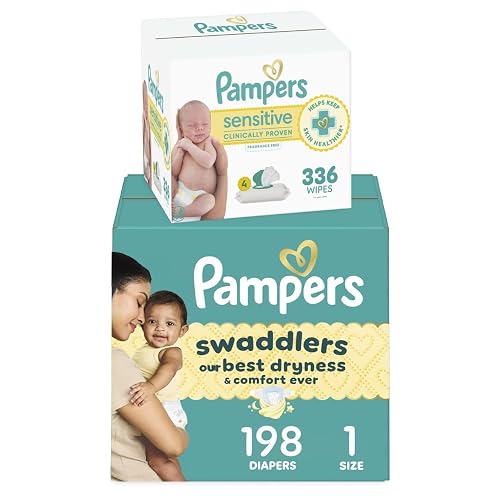
Disposable option to compare: View on Amazon
Cloth option to compare: View on Amazon
Before you start a new diapering system, read a full comparison of cloth versus disposable diapers for more family-specific scenarios. If your baby has a known skin condition, eczema, or a history of diaper rash that does not clear, consult your pediatrician before changing products.
FAQ
Are cloth diapers really better for the environment?
In most cases, yes. Cloth avoids the landfill waste that disposables create, and a single set can be used for multiple children. The benefit depends on how efficiently you wash and dry, so full loads, cold or warm washes when appropriate, and line-drying all help.
Do cloth diapers cost less than disposables?
Over the full diapering period, often yes. The upfront purchase is larger, but you avoid repeated disposable purchases. Compare your current spending with your washing costs to find your own break-even point.
Can cloth diapers cause rashes?
They can, usually because of detergent buildup, poor rinsing, or a fit that rubs. Use a fragrance-free detergent, rinse thoroughly, and avoid fabric softener, which coats fibers and reduces absorbency. If a rash lasts more than a few days or looks infected, contact your pediatrician.
Are disposable diapers bad for baby’s skin?
Not for most babies. Some infants react to fragrances, dyes, or absorbent materials, so fragrance-free disposables are a good choice if your baby is sensitive. Watch for persistent redness and talk to a doctor if problems continue.
Can I use both cloth and disposable diapers?
Yes. A hybrid approach is common. Many families use cloth at home for cost and waste savings and keep disposables for travel, daycare, overnight use, or times when washing is not practical.
Conclusion
The right answer depends on your priorities. Disposables are simpler and better for travel and caregivers who need zero learning curve. Cloth offers lower long-term cost, less waste, and more control over ingredients, but it asks for a regular washing routine. Weigh the pros and cons of cloth vs disposable diapers against your schedule, budget, and values, and remember that a hybrid system is a valid choice. If you have specific skin concerns, check with your pediatrician before you commit.
Before you buy: helpful guides
Related reading
- Cloth Versus Disposable Diapers (2026): Which Is Better for Your Family?
- Cloth Diapers vs Disposable Price (2026): Which Is Better for Your Budget?
- Tri Fold Cloth Diapers vs Prefolds (2026): Which Is Better for Your Baby?
- How Many Cloth Diapers Will I Need? Fitted vs Prefold (2026)
About Ethan Brooks
Ethan Brooks is part of our editorial team and reviews and edits our natural & eco parenting guides, checking product details against manufacturer specifications and owner feedback.