 By Ethan Brooks
Updated November 2026
Shopping for the best stay dry liners for cloth diapers can feel like a lot of guesswork, because the packaging rarely tells you how a liner will behave once it meets urine, wash water and a squirming baby. This list focuses on four things: how the liner is made, whether it is reusable or disposable, what the manufacturer says about its fragrance and chlorine content, and how owners tend to describe its fit and staining. Nothing here comes from personal testing; it is based on product listings, brand information and common owner feedback patterns.
Our top picks at a glance
- 1
 TOP CHOICEBest overallEsembly Stay-Dry Fleece Cloth Diaper Liners, 12-PackView on Amazon
- 2
 TOP CHOICEBest for disposable convenienceNaturally Nature Disposable Cloth Diaper Liners, 200 CountView on Amazon
- 3
 TOP CHOICEBest for heavy wettersBabygoal Reusable Cloth Diaper Inserts, Pack of 12View on Amazon
- 4
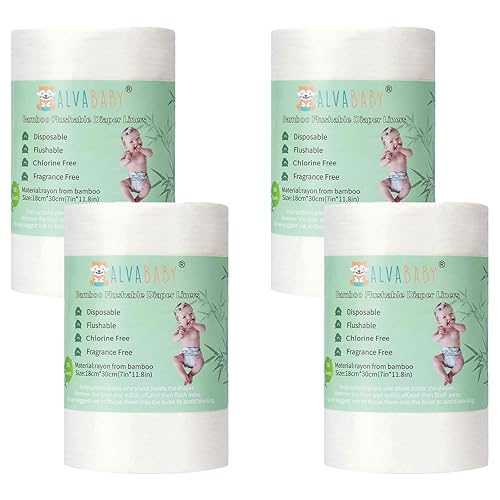 Best for a budget-friendly disposable stackALVABABY Diaper Liner for Baby Cloth Diapers, 400 SheetsView on Amazon
- 5
 Best for a rayon-based flushable feelBlueSnail Rayon Unscented Diaper Liners, 400 CountView on Amazon
Our Top Picks
Quick Comparison
| Product | Best for | Key feature |
|---|---|---|
| Esembly Stay-Dry Fleece Cloth Diaper Liners, 12-Pack | Everyday reusable use | Moisture-wicking fleece |
| Naturally Nature Disposable Cloth Diaper Liners | Disposable convenience | Unscented, chlorine free |
| Babygoal Reusable Cloth Diaper Inserts, Pack of 12 | Heavy wetters | 3-layer microfiber core |
| ALVABABY Diaper Liner, 400 Sheets | Large-volume disposable use | Fragrance and chlorine free |
| BlueSnail Rayon Unscented Diaper Liners, 400 Count | Flushable-style liners | Rayon, fragrance free |
Esembly Stay-Dry Fleece Cloth Diaper Liners, 12-Pack
Moisture-Wicking Washable Fleece Cloth Diaper Liners, Keeps Baby Dry, Reduces Staining on Diaper, One Size Esembly Stay-Dry Fleece Cloth Diaper Liners, 12-Pack
Best for: Everyday reusable use with a stay-dry feel
This pick suits families who want a washable liner that keeps the skin surface drier and reduces staining on the diaper itself. The listing describes a moisture-wicking fleece that pulls wetness away from the skin.
Pros
- Fleece is described as moisture-wicking, which helps keep the skin drier.
- One size and a 12-pack make it easy to build a full rotation.
Cons
- Fleece needs careful washing to avoid losing its wicking performance over time.
Naturally Nature Disposable Cloth Diaper Liners, 200 Count
Naturally Nature Disposable Cloth Diaper Liners, Unscented, Fragrance-Free, Chlorine Free Diaper Inserts – 200 Count – (2 Rolls, 100 Sheets per Roll)
Best for: Disposable convenience on busy days or travel
This option is aimed at parents who want to toss the liner after use rather than rinse and wash it. The manufacturer specifies unscented and chlorine-free construction.
Pros
- Manufacturer specifies fragrance-free and chlorine-free materials.
- Two rolls of 100 sheets give a practical amount for a week of use.
Cons
- Ongoing disposal adds up and does not fit a fully reusable routine.
Babygoal Reusable Cloth Diaper Inserts, Pack of 12
Babygoal Reusable Cloth Diaper Inserts Pack of 12, Absorbent & Breathable Liners, 3-Layer Microfiber Inserts for Cloth Diapers
Best for: Heavy wetters who need extra absorbency
This insert is designed for babies who soak through diapers quickly. The listing describes a three-layer microfiber build meant to hold more liquid.
Pros
- Three-layer microfiber core is described as highly absorbent.
- Pack of 12 supports frequent washing cycles.
Cons
- Microfiber can feel less soft against the skin than natural fibers.
ALVABABY Diaper Liner for Baby Cloth Diapers, 400 Sheets
ALVABABY Diaper Liner for Baby Cloth Diapers Natural Soft Disposable 11.8×7.1 Inch Fragrance Free Chlorine Free 400 Sheets
Best for: Large-volume disposable use at home
This larger-count disposable liner suits families who want a steady supply without frequent reordering. It is marketed as soft, natural and free of fragrance and chlorine.
Pros
- 400-sheet count lasts a long time for a single household.
- Listing states fragrance-free and chlorine-free construction.
Cons
- Sheet size is fixed, so fit depends on the diaper shape.
BlueSnail Rayon Unscented Diaper Liners, 400 Count
Rayon Unscent Diaper Liners- Fragance Free and Chlorine Free(4PK) 400 Count by BlueSnail(White)
Best for: Flushable-style liners made from rayon
This rayon liner appeals to parents who prefer a plant-derived fiber and a simple, unscented product. It is a good fit for those who want to pair a liner with a compost-friendly routine.
Pros
- Rayon construction is a plant-derived material, per the listing.
- Unscented and chlorine free according to the manufacturer.
Cons
- Rayon can tear when wet, so handle it gently during changes.
Buying Guide
Reusable or disposable
Reusable fleece and microfiber liners cost less per use over time but need washing, while disposable sheets remove the wash step entirely. Many families mix both, using washable liners at home and disposables when away.
FAQ
Do stay dry liners actually keep the diaper from staining?
Liners placed between baby’s skin and the cloth diaper help keep the diaper’s fabric from direct contact with urine and stool, which can reduce staining over time. They do not eliminate staining entirely, so sun-drying and a good wash routine still matter. Results vary with the fabric of the diaper and your water.
What is the difference between fleece and rayon liners?
Fleece liners are usually synthetic and wash up well, but they are generally reusable and need regular laundering. Rayon liners are plant-derived and are often sold as disposable, which many parents find easier to flush or compost depending on local rules. Choose based on whether you want to launder or dispose of them.
Are disposable liners safe to flush?
Some disposable liners are labeled as flushable, but flushing rules depend on your plumbing and local regulations. Check the packaging for instructions and avoid flushing if your septic system or pipes are a concern. When in doubt, dispose of them in the trash.
Are unscented and chlorine-free liners better for sensitive skin?
Many parents choose unscented and chlorine-free options because they avoid added fragrance and harsh bleaching processes. Fragrance-free products may be a better starting point for babies with sensitive skin, though every child reacts differently. If a rash appears, stop using the product and check with your pediatrician.
How many liners should I buy to start?
A good starting amount depends on how many diaper changes you make in a day and how often you plan to wash or dispose of liners. Many families start with one pack and adjust once they see how quickly they go through them. Keeping a spare set on hand helps during busy days.
Can I use liners with any cloth diaper?
Most liners fit common cloth diaper styles, including pocket, all-in-one and prefold types, but sizing can vary. Check the liner dimensions against your diaper before buying. A quick test with one or two liners will show whether they sit flat and stay in place.
Conclusion
If you want a reusable option that is easy to add to your regular laundry, a fleece or microfiber liner set is likely the better fit. Parents who prefer convenience and a no-wash routine will usually lean toward the disposable rayon or natural-fiber sheets, especially for travel or nights.
Match your choice to your washing habits, budget and your baby’s skin sensitivity, and consider trying a smaller pack first before committing to a large supply.
Related reading
- Stay Dry Liners for Cloth Diapers: A Step-by-Step Guide for Dry Nights
- Are Cloth Diapers Cheaper Than Disposable? 3 Best Liners to Compare (2026)
- 6 Best Disposable Liners for Cloth Diapers Compared (2026)
- 5 Best Wet Dry Bags for Cloth Diapers for Everyday Use (2026)
About Ethan Brooks
Ethan Brooks is part of our editorial team and reviews and edits our natural & eco parenting guides, checking product details against manufacturer specifications and owner feedback.