 By Ethan Brooks
Updated November 2026
Finding a waterproof spray for cloth diapers is less about a single “best” bottle and more about matching the product to what you actually need it to do. Some parents want a fabric protector that makes a cover shed a light wet-diaper spill. Others need a sprayer accessory that keeps the toilet side of rinsing clean. This guide compares six products from the Amazon US listings you may come across, judged on four criteria: what the product is designed to do, how well it fits the job, how its finish and residue are described, and the patterns owners tend to mention in feedback. We did not test these products ourselves, so treat the specs below as what manufacturers state and what owners commonly report.
Our top picks at a glance
- 1
 TOP CHOICEBest overallSpray Pal Premium Cloth Diaper Cleaning KitView on Amazon
- 2
 TOP CHOICEBest for rinsing-only setupsSpray Pal Splatter ShieldView on Amazon
- 3
 TOP CHOICEBest for quick-dry water repellencyAll-Weather Fabric Protector SprayView on Amazon
- 4
 Best for long-lasting upholstery and cover protectionScotchgard Water Repellent SprayView on Amazon
- 5
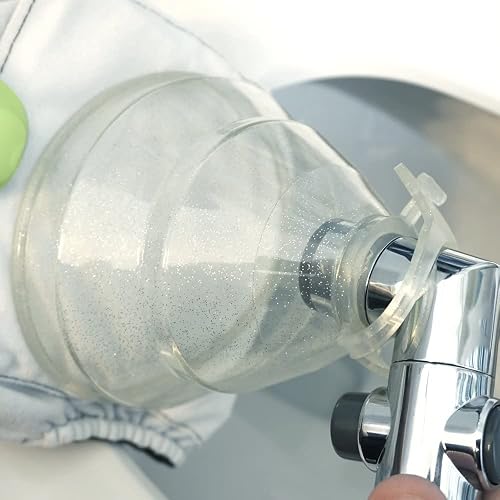 Best budget pickCloth Diaper Sprayer Splatter Shield with Gusset StretcherView on Amazon
- 6
 Best for compact sprayer setupsRinseWorks SprayMate Splatter ShieldView on Amazon
Our Top Picks
Quick Comparison
| Product | Best for | Key feature |
|---|---|---|
| Spray Pal Premium Cloth Diaper Cleaning Kit | Parents setting up a full sprayer station | Splatter shield plus high-pressure sprayer |
| Spray Pal Splatter Shield | Adding a shield to an existing sprayer | 17-inch patented shield with wide clip |
| All-Weather Fabric Protector Spray | Light water repellency on covers and fabrics | Touch-dry in about 10 minutes, low-residue finish |
| Scotchgard Water Repellent Spray | Longer-lasting protection on fabric and upholstery | Long-lasting water shield formula, 13.5 oz |
| Cloth Diaper Sprayer Splatter Shield with Gusset Stretcher | Budget-conscious rinsing setups | Gusset stretcher and laundry mitts included |
| RinseWorks SprayMate Splatter Shield | Compact toilet setups | Single-count splatter shield for sprayers |
Spray Pal Premium Cloth Diaper Cleaning Kit
Spray Pal Premium Cloth Diaper Cleaning Kit – Patented Splatter Shield Made in USA + High Pressure Sprayer. Best Starter Bundle for Mess-Free Diaper Spray Cleanup.
Best for: Parents who want a complete sprayer station in one purchase.
This kit suits households that rinse diapers at the toilet every day and want the splatter shield and the sprayer sold together. It is a practical choice for a first-time cloth diaper user who has not yet built a rinsing routine.
Key specs
- Patented splatter shield, made in the USA (per the listing)
- Includes a high-pressure sprayer
- Designed for diaper spray cleanup
Pros
- Bundles the shield and sprayer, so there is nothing to match up
- Reduces splatter onto toilet surfaces and the floor
- Clear, specific purpose for cloth diaper rinsing
Cons
- Costs more up front than a shield alone, and you pay for a sprayer you may already own
- Not a water repellent; it does not treat fabric
Bottom line: A strong pick for a parent starting from scratch who wants one purchase to handle the rinsing setup.
Spray Pal Splatter Shield
Stop sprayer splatter for good. Patented 17in shield fits standard toilets; extra-wide clip holds diapers securely. Spray Pal Splatter Shield – Cloth Diaper Sprayer Companion, USA Made
Best for: Adding splatter control to a sprayer you already own.
This shield is aimed at parents who already have a hand sprayer and want to stop the spray from misting back at them. It also fits households that keep the rinse step separate from the wet-bag and laundry steps.
Key specs
- 17-inch shield, per the listing
- Extra-wide clip to hold diapers in place
- Patented design, made in the USA
Pros
- Stops most splatter from reaching the wall and floor
- Fits standard toilets, according to the listing
- Wide clip helps keep the diaper steady while rinsing
Cons
- Shield only; you need a sprayer separately
- Some owners report the clip needs a firm press to seat
Bottom line: The right choice if your sprayer works fine and you only want to fix the mess.
All-Weather Fabric Protector Spray
All-Weather waterproof and 10-Min Touch Dry – Helps repel rain, coffee & mud with a clear, low-residue finish for daily wear Fabric Protector Spray for Clothing: Water and Stain Repellent 12.84 oz
Best for: Light water repellency on covers and fabrics that need a quick-dry finish.
This spray is a general fabric protector rather than a diaper-specific product. It may suit parents who want to add water resistance to a diaper cover or a wet-bag exterior and prefer a finish that dries fast.
Key specs
- 12.84 oz bottle, per the listing
- Listed as water and stain repellent
- Manufacturer states about 10-minute touch-dry time
Pros
- Quick touch-dry time, as stated by the manufacturer
- Low-residue finish is described on the listing
- Repels light water spills and mud on outer fabrics
Cons
- Not designed for cloth diapers specifically; check the care label first
- Repellency may wear off with washing, so reapplication is likely needed
Bottom line: A good fit for parents who want a light, fast-drying repellent for covers and outer fabrics.
Scotchgard Water Repellent Spray
Water Repellent Spray for Clothing and Household Upholstery, Long-Lasting Water Repellent Scotchgard Fabric Water Shield Spray, 13.5 oz, 1 Pack
Best for: Longer-lasting protection on fabric and upholstery.
This is a household fabric protector sold for clothing and upholstery. It fits parents who want a durable water shield on things like a changing pad cover or a diaper bag and are less concerned about a fast-drying, diaper-specific formula.
Key specs
- 13.5 oz, 1-pack size per the listing
- Labeled for clothing and household upholstery
- Marketed as long-lasting water repellent
Pros
- Well-known fabric protector brand line
- Suitable for a range of household textiles
- Owners often describe it as longer-lasting than basic sprays
Cons
- Not formulated for cloth diapers; do not assume it is safe on absorbent layers
- Can leave a noticeable finish on some fabrics, so spot-test first
Bottom line: Best for surfaces around the diaper routine, such as bags and pads, rather than the diapers themselves.
Cloth Diaper Sprayer Splatter Shield with Gusset Stretcher
Cloth Diaper Sprayer Splatter Shield with Gusset Stretcher + Laundry Mitts | Perfect for Rinsing Cloth Diapers and More! | Small, Ergonomic Design Prevents Splattering
Best for: A budget-conscious rinsing setup.
This product bundles a splatter shield with a gusset stretcher and laundry mitts. It suits parents who want a complete, low-fuss kit for rinsing without paying for a premium brand.
Key specs
- Includes a splatter shield, gusset stretcher, and laundry mitts
- Small, ergonomic design per the listing
- Designed for rinsing cloth diapers and similar items
Pros
- Includes extras that help with rinsing and handling
- Compact footprint suits small bathrooms
- Clear, specific use case
Cons
- Owners sometimes mention the stretcher is best for smaller inserts
- Not a water repellent; it does not treat fabric
Bottom line: A sensible pick if you want a rinsing kit with accessories and a budget-friendly profile.
RinseWorks SprayMate Splatter Shield
RinseWorks SprayMate Cloth Diaper Sprayer Splatter Shield, 1 Count
Best for: Compact toilet setups with limited space.
This single-count shield is a straightforward accessory for parents who want to cut down on rinse splatter in a small bathroom. It suits those who already own a compatible sprayer.
Key specs
- 1 count, per the listing
- Designed as a sprayer splatter shield
- Made for rinsing cloth diapers
Pros
- Simple, single-purpose design
- Easy to add to an existing sprayer
- Suits tight bathroom layouts
Cons
- Shield only; no sprayer included
- Fit may vary with toilet shape, so check dimensions if you have an unusual model
Bottom line: A practical add-on for compact bathrooms with a sprayer already in place.
Buying Guide
Know the Difference Between a Sprayer Accessory and a Water Repellent
Many products in this category do two different jobs. A splatter shield or sprayer kit controls the rinse mess at the toilet. A fabric protector spray adds water resistance to the outside of a cover or bag. Decide which problem you are solving before comparing bottles, because the two categories are not interchangeable.
Good picks for this: Spray Pal Splatter Shield, All-Weather Fabric Protector Spray
Check the Shield Width and Toilet Fit
Shields are sized around a standard toilet bowl. Manufacturers often list a width, such as the 17-inch figure on the Spray Pal Splatter Shield. Measure the distance from the back of your toilet tank to the front rim, and compare that to the listing before buying. Compact or elongated bowls may need a closer look.
Good picks for this: RinseWorks SprayMate Splatter Shield, Spray Pal Splatter Shield
Look for Dry Time and Finish on Repellent Sprays
Repellent sprays differ in how long they take to set and how visible the finish is. Check the listed touch-dry time and read the description for words like “low residue.” Always apply to a small test area first and let it cure fully before using the treated fabric near a baby.
Good picks for this: All-Weather Fabric Protector Spray, Scotchgard Water Repellent Spray
Match the Spray to the Fabric
Cloth diaper covers are commonly made from polyurethane laminate (PUL) or other coated fabrics, while inserts are usually cotton, hemp, or microfiber. A household fabric protector may not be formulated for either. Read the product label and the diaper maker’s care instructions. If a label does not say it is safe for the item you plan to treat, skip it.
Good picks for this: Scotchgard Water Repellent Spray, All-Weather Fabric Protector Spray
Consider Accessories and Handling
Some sprayer kits include tools such as gusset stretchers or laundry mitts. These can make a difference if you rinse many diapers in a row, since they help you hold and spread the fabric. If you already own a good sprayer, a shield alone may be enough.
Good picks for this: Cloth Diaper Sprayer Splatter Shield with Gusset Stretcher, Spray Pal Premium Cloth Diaper Cleaning Kit
Think About Durability and Reapplication
Repellent finishes wear down with washing and handling. Owners of fabric protectors commonly report that reapplication is needed over time. Plan to reapply according to the manufacturer’s directions, and avoid over-spraying, which can build up residue on absorbent layers.
Good picks for this: Scotchgard Water Repellent Spray, All-Weather Fabric Protector Spray
Plan Your Rinsing Routine
A sprayer and shield work best as part of a set routine: pre-rinse, spray, then drop the diaper into a pail or wet bag. Keep the setup within reach of the toilet and make sure the shield stays clipped while you spray. A consistent routine does more to keep bathrooms clean than any single product.
Good picks for this: Spray Pal Premium Cloth Diaper Cleaning Kit, RinseWorks SprayMate Splatter Shield
FAQ
Is a waterproof spray for cloth diapers the same as a fabric protector?
Not always. A fabric protector adds water resistance to outer fabrics, while a splatter shield controls rinse mess at the toilet. Some sprays are general-purpose and not formulated for diaper materials, so read the label before using one on a cover or insert.
Can I spray a repellent directly onto cloth diaper inserts?
Avoid it unless the diaper maker specifically approves the product. Absorbent inserts can be affected by coatings, which may reduce absorbency. Use repellents on outer covers or bags, and check your diaper’s care guide first.
How do I test a fabric protector before using it?
Spray a small, hidden area of the item, let it dry completely as the label directs, then test with a few drops of water. Watch for stiffness, discoloration, or a sticky feel. Only treat the full item if the test area looks and feels normal.
Do splatter shields fit every toilet?
Most are designed for standard bowls, but shapes vary. Measure your toilet and compare it with the width or dimensions in the listing. If your toilet is unusually shaped, check fit notes or reviews before buying.
How often should I reapply a water repellent?
Follow the manufacturer’s instructions. Owners commonly report reapplying after repeated washing or when water stops beading on the surface. Reapplying too often can build up residue, so do it only when the finish is clearly worn.
Are these products safe around babies?
Let all sprays cure fully before the item touches your baby’s skin, and keep the bottle out of reach of children. If you have concerns about skin reactions or chemical exposure, consult your pediatrician or a qualified professional before use.
Should I rinse diapers before using a sprayer?
Many parents do a quick pre-rinse to remove solids, then use the sprayer for the rest. The right routine depends on your diaper type and your local wastewater rules, so check your diaper maker’s guidance and local requirements.
Conclusion
For most parents, the choice comes down to whether the problem is rinse mess or water resistance. If you want a complete rinsing setup, the Spray Pal Premium Cloth Diaper Cleaning Kit is the most all-in-one option. If your sprayer already works, a Spray Pal Splatter Shield or a RinseWorks SprayMate shield can solve the splatter issue. For water repellency on outer covers and bags, the All-Weather Fabric Protector Spray and the Scotchgard Water Repellent Spray are the main options, with the All-Weather spray suited to fast drying and the Scotchgard to longer-lasting surface protection. Whichever you choose, confirm the product is compatible with your diaper materials and follow the care label.
Sources
- Consumer product safety information, including guidance on chemical and household product use around children (cpsc.gov)
- Background on household chemicals, product labeling, and safe handling (epa.gov)
- General guidance on fabric care and cleaning practices, useful for comparing care label conventions (akc.org)
Before you buy: helpful guides
- Toilet Spray for Cloth Diapers: How to Use It Safely (2026)
- Newborn in Cloth Diapers: A Step-by-Step Guide for Beginners
- Cloth Diapers for Infants: A Step-by-Step Guide for New Parents
- Diaper Rash and Cloth Diapers: 7 Steps to Prevent and Treat It
- How to Rinse Cloth Diapers Properly: A Step-by-Step Guide
About Ethan Brooks
Ethan Brooks is part of our editorial team and reviews and edits our natural & eco parenting guides, checking product details against manufacturer specifications and owner feedback.