By Graham Palmer
Putting a newborn in cloth diapers is more manageable than most new parents expect. With the right fit, a simple folding method, and a clear changing routine, you can keep your baby dry and comfortable from the first week. This guide walks through choosing newborn-sized options, setting up your supplies, changing and fitting diapers correctly, and caring for them so they last.
Why Newborns Need a Different Approach to Cloth Diapers
Newborns pass meconium in the first few days, then move to frequent, loose stools. Many babies wet eight to twelve times in a 24-hour period, and some go through more. Their bodies are small, their waistlines change quickly, and their umbilical cord stump needs to stay exposed to air. Those factors mean a newborn needs a diaper that fits snugly without rubbing, folds well around a tiny frame, and is easy to remove during frequent changes.
Standard one-size cloth diapers often run too large for the first several weeks. Many parents use newborn-specific sizing, prefolds with a snappi or soaker, or a small all-in-one until the baby reaches a weight where a one-size system fits without bulk.
Choosing the Right System for a Newborn
Not every cloth diaper style works well at birth. The main options each have trade-offs:
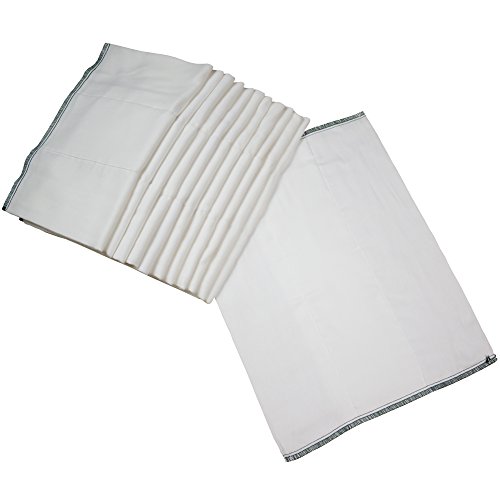
- Prefolds and covers: Inexpensive, highly adjustable, and easy to size down with a smaller fold. They need a cover and a fastener, so they take a bit more practice.
- Newborn all-in-ones (AIOs): The most like disposables. They snap or hook on, but the lowest rise and smallest snap settings are essential for a baby under about 10 pounds.
- Fitted diapers with covers: Strong absorbency and good fit when you use the smallest rise setting. Good for overnight once the baby is a little older.
- Pocket diapers: Adjustable and quick to use, but many have a bulkier inserted profile on very small babies. Stuffing them with fewer inserts helps.
Look for newborn snap settings, rise adjustments, and leg cuffs that sit flat against the thigh. The “Types of Cloth Diapers” and “How to Choose the Right Cloth Diapers for Your Baby” guides on this site compare these styles in more detail.
Supplies You Need Before the Baby Arrives
You do not need a full stash to start. A workable newborn setup usually includes:
- Between 12 and 24 diapers or prefolds, depending on how often you plan to wash.
- 4 to 6 covers if you use prefolds or fitted diapers. Wool or PUL covers are common.
- A wet bag for on-the-go changes.
- A dedicated pail with a liner for storing dirty diapers.
- Fragrance-free detergent, plus a plan for stripping if residue builds up.
- A changing area stocked with cloth wipes, a spray bottle, and diaper cream that does not contain ingredients that repel water. Check labels for zinc oxide or petrolatum, which can damage natural fibers in some cases.
For a layout that keeps everything within reach, see “Setting Up a Cloth Diaper Changing Station at Home.” For wipes, “How to Choose Reusable Cloth Wipes” covers fabric and size choices.
How to Fit a Newborn Cloth Diaper Step by Step
Step 1: Prepare the diaper
If using a prefold, fold it into a thirds or a newborn-sized rectangle so it sits well between the legs. Lay it inside the cover or pocket, with the thickest section centered toward the front of the baby for boys and the back for girls, since girls often wet toward the back.
Step 2: Position the baby
Lay the baby on a changing mat with legs straight. Lift the bottom gently and slide the diaper underneath. Keep the cord stump clear by folding the front of the diaper down, or by using a snap setting that keeps the front low.
Step 3: Set the rise and snaps
Choose the lowest rise and the smallest snap setting. The waist should sit just below the belly button and the leg openings should fit snugly without red marks or gaps. Try two fingers under the waistband: if you can fit more than that, go smaller. If the baby’s legs are bunched inside the cuffs, the fit is too tight.
Step 4: Check for fit after feeding
Newborns often gain weight quickly, and fit changes within days. Check every few hours and adjust if you see red creases, leaks from the thighs, or a diaper that feels bulky.
Changing Frequency and Overnight Care
Change a newborn cloth diaper every two to three hours, and immediately after a bowel movement. Newborn stools are acidic and can irritate skin if left in place, so prompt changes help prevent rashes. Overnight, a stronger absorbent insert or a double-stuffed fitted diaper often lasts longer, though many babies still need one or two changes during the night.
| Situation | Suggested action |
|---|---|
| Wet diaper, no poop | Change within 2 to 3 hours |
| Bowel movement | Change right away |
| Overnight stretch | Use a fuller absorbent setup and check at a midnight feed |
| Red, irritated skin | Change more often, air out for a few minutes, consult a pediatrician if it persists |
Washing and Storing Newborn Cloth Diapers
Store soiled diapers in a closed pail with a washable liner. Solid waste should be shaken or sprayed into the toilet before the diaper goes in. Wash every two to three days, using a warm or hot cycle with a full rinse, and avoid fabric softener, which coats fibers and reduces absorbency. “How to Wash Cloth Diapers” and “Choosing and Stripping Cloth Diaper Detergent” give step-by-step washing routines and stripping guidance. “Hygienic Storage for Dirty Cloth Diapers” covers pail care in more depth.
Dry diapers in direct sunlight when possible, or on a rack indoors. Avoid high-heat dryers on covers, since heat can damage PUL and elastic. “Proper Methods for Drying Cloth Diapers” explains which methods suit which materials.
Common Mistakes
- Sizing up too early. A diaper that is too big leaks at the legs and waist. Use the smallest setting the baby fits.
- Leaving wet diapers on too long. Newborns can wet frequently, and sitting in a wet diaper increases rash risk.
- Using the wrong cream. Thick ointments can coat the fabric and cause repelling. Use a light barrier product, and wash it out of covers with a stripping routine if buildup appears.
- Washing with fabric softener or too little water. Both reduce absorbency over time.
- Overstuffing pockets. A bulky diaper leaks at the thighs and can squeeze the baby’s legs.
Tips for Success
- Keep a stack of pre-folded prefolds and covers ready so you can change quickly during the night.
- Check the diaper after each feed and after naps, since leaks often show up at the start of a new cycle.
- Track wet and soiled changes for the first week. The pattern helps you judge when to change and when a fit adjustment is needed.
- Give the baby some diaper-free time on a towel when the area is red, as long as you supervise closely.
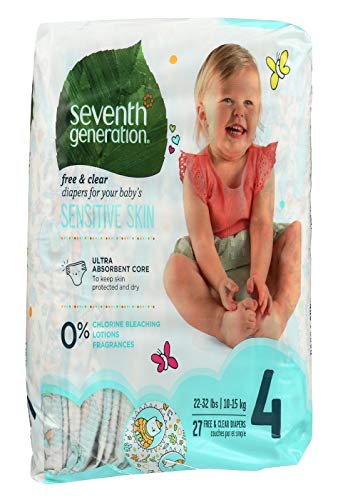
- Consider a few disposable diapers for travel and emergencies. Many families use both systems without problems.
Recommended gear
A few supplies make newborn diapering easier. Look for a snap-in or hook-and-loop all-in-one with newborn snap settings, a pail with a washable liner, and a sturdy wet bag. Prefolds with a wool cover are another reliable option for the first weeks.
- Newborn all-in-one diapers: Designed for tiny waists and low rise settings, they are the closest match to disposables for new parents. View on Amazon
- Cloth diaper pail with liner: Keeps odors contained between washes and makes transport to the washing machine simple. View on Amazon
- Waterproof wet bag: Useful for daycare, car trips, and diaper bag storage. View on Amazon
- Wool diaper cover: Breathable and lanolized wool is a common choice for prefold systems, but it needs hand washing and lanolin care. View on Amazon
FAQ
When can I start putting a newborn in cloth diapers?
Most families start right away, usually after the first few days when the baby’s stool changes from meconium. Some hospitals and birth centers prefer disposables for the first days, so check your birth plan.
How many cloth diapers does a newborn need?
Plan on 12 to 24 diapers or prefolds, plus covers, depending on how often you wash. Newborns use many diapers daily, so a larger stash reduces washing frequency.
Do cloth diapers on newborns cause rashes more often?
Rashes are often linked to infrequent changes, wrong fit, or residue buildup rather than the diaper itself. Frequent changes and a proper wash routine lower the risk. Consult a pediatrician if a rash does not clear within a few days.
What is the best way to fold a prefold for a newborn?
Fold it in thirds lengthwise to create a narrower center, then place it inside the cover with the thickest part where the baby wets most. Many parents adjust the fold after a few days of practice.
Can I use cloth diapers at night on a newborn?
Yes, but a single insert or prefold often needs changing before morning. Stronger absorbency, such as a double insert or a fitted diaper with a wool cover, can help overnight.
How do I know if the fit is wrong?
Watch for red creases at the thighs or waist, leaks around the legs, and bulk that makes the baby’s legs stay bent. Adjust the rise or snap setting and recheck after a feed.
Should I see a doctor about diaper rash?
If the rash is bright red, spreading, has blisters, or does not improve within a few days, contact a pediatrician. They can advise on treatment and rule out infection.
Conclusion
A newborn in cloth diapers needs a fit that is snug, a changing routine that happens often, and a washing method that protects absorbency. Start with the smallest settings, keep supplies organized, and adjust as you learn your baby’s patterns. With a few weeks of practice, most families find the routine becomes second nature.
Related reading
- Types of Cloth Diapers
- Solving Common Cloth Diaper Leaks and Odors
- Setting Up a Cloth Diaper Changing Station at Home
- Proper Methods for Drying Cloth Diapers
- Hygienic Storage for Dirty Cloth Diapers

About Graham Palmer
Graham focuses on practical advice for natural & eco parenting: what matters before you buy, what to skip, and how to get more out of what you already own.