By Graham Palmer
Cloth diapers or disposable: which one should you pick? For most families who want a lower-waste routine and fewer chemicals against baby’s skin, reusable cloth is the stronger choice, provided you can handle regular laundry. Families who need maximum convenience, travel often, or have limited washing access will usually find disposables easier to live with, especially in the first few weeks. Below, we compare the two options on the criteria that matter most to green-minded parents, and we explain what to look for on labels either way.
| Criterion | Cloth Diapers | Disposable Diapers |
|---|---|---|
| Waste per child | Reused for dozens of changes per day over the diapering years | Thousands of single-use diapers headed to landfill per child |
| Materials | Cotton, bamboo, hemp, microfiber, PUL or wool covers | Wood pulp, superabsorbent polymer, polyethylene, adhesives |
| Convenience | Requires washing, drying, and storage between uses | Use and toss; no laundry |
| Travel | Needs wet bags and a plan for dirty diapers | Easy to pack and dispose of anywhere |
| Ingredient transparency | Usually simple fiber lists; check for certifications | Often undisclosed fragrance or lotion additives; varies by brand |
| Rash risk | Depends on detergent and rinse habits; can cause rashes if residue builds up | Frequent changes and moisture can cause rashes; some babies are sensitive to materials |
| Best fit | Home-based families with time for laundry | Frequent travelers, caregivers, or families needing a short-term solution |
Environmental Impact: Cloth Diapers Win on Waste
The waste argument is the reason most families start looking at cloth in the first place. A baby typically goes through many diapers per day in the newborn stage, and that number gradually drops as toddlers grow. Disposables are designed for one use, and most end up in landfill, where they can take a very long time to break down. Cloth diapers, by contrast, are used for an entire diapering period and then passed on to a sibling, sold, or donated.
Cloth is not free of environmental cost, though. Washing uses water and energy, and the impact depends on how often you wash, the temperature you choose, and whether you line dry. Some manufacturers and independent analyses have found that a full-time cloth routine can have a footprint that compares reasonably well with disposables when laundry is done efficiently, but results vary with local water and energy sources. The honest summary: cloth generally reduces solid waste substantially, while its water and energy use is the trade-off you manage through smart laundry habits.
Winner on environmental impact: cloth diapers. The reduction in landfill waste is the clearest advantage, and it becomes more meaningful the longer you stick with reusables.
Ingredients and Materials: Cloth Diapers Win on Transparency
When you’re checking what touches your baby’s skin for many hours a day, the ingredient list matters. Cloth diapers are typically made from a short list of fibers, such as organic cotton, bamboo viscose, hemp, or microfiber inserts, with waterproof covers made from polyurethane laminate (often labeled PUL) or wool. Many parents appreciate that they can see exactly what is in the diaper. Look for certifications like GOTS (Global Organic Textile Standard) for organic fiber content, and OEKO-TEX Standard 100 for tested absence of certain harmful substances.
Disposables are more complicated. Most contain wood pulp, superabsorbent polymers (sodium polyacrylate is the common one), polyethylene backsheets, and elastic. Some brands disclose their full list, and others provide only partial information. Fragrance and lotion additives are the ingredients most often flagged by parents who want a non-toxic option. If you go disposable, look for brands that publish their full ingredient list, state that they are fragrance-free, and carry third-party certifications where available. Keep in mind that “plant-based” or “eco” on a package does not automatically mean the diaper is free of superabsorbent polymer, so read the specifics.
Because certification standards and product formulas change, check current labels before buying. If your baby has a known sensitivity or a persistent rash, talk with your pediatrician before switching products.
Winner on ingredients: cloth diapers, mainly because the materials are simpler and easier to verify. Good disposables can be a reasonable middle ground for families who want low-fragrance options.
Convenience and Daily Routine: Disposable Diapers Win
There is no getting around it: disposables are easier. You open the package, change the diaper, and throw it away. There is no pail to empty, no laundry basket to fill, and no need to think about drying or stripping. For parents who are recovering from childbirth, working long shifts, or sharing care with others who are not on the cloth routine, that simplicity is a real benefit.
Cloth requires more steps. You will need a dry pail or wet bag for storage, a washing routine that typically runs every two to three days, and enough inventory to cover the gap between loads. Many parents find the routine becomes automatic after the first few weeks, and some describe it as less work than they expected. Still, it is a daily commitment. If you want a practical starting point, our guide on Cloth Diapering for Beginners: How Cloth Diapers Work walks through the basics, and Newborn in Cloth Diapers: A Step-by-Step Guide for Beginners covers the first weeks specifically.
Winner on convenience: disposable diapers. The gap is significant, especially in the newborn stage when diaper changes are most frequent.
Travel and Away-From-Home Use: Disposable Diapers Win
Travel is where disposables pull ahead most clearly. A pack of disposables fits easily in a bag, and dirty diapers can be sealed and tossed. Cloth travel is entirely possible, but it requires planning: a few days’ worth of diapers, a waterproof wet bag for soiled items, and a way to wash or store them until you return home. Many parents who use cloth at home keep a separate travel stash of disposables for trips, which is a practical compromise.
If you do choose cloth for travel, a well-sealed wet bag is essential. The Best Wet Bags for Cloth Diapers guide compares options by size, water resistance, and washability, which matters when you’re managing a bag full of used diapers on a flight or in a car.
Winner on travel: disposable diapers, though a hybrid approach works well for many families.
Cost and Long-Term Value: Cloth Diapers Win for Budget-Minded Families
Cost is a major reason parents switch to cloth, and it is the criterion where the answer depends most on your habits. Disposables are an ongoing expense for as long as your child wears diapers, which for most children runs well into toddlerhood. Cloth has a larger upfront investment, but it is reused across many changes and often across more than one child. Families who plan to use the same set for siblings or resell them usually see the best long-term value.
Be realistic about what you are signing up for, though. Cloth requires enough inventory to avoid running out between wash days, and you will also need a detergent suited to cloth, a pail, and wet bags. Using the wrong detergent or washing incorrectly can shorten the life of your diapers and cause leaks or odors. Our guide to Choosing and Stripping Cloth Diaper Detergent covers the details, and Solving Common Cloth Diaper Leaks and Odors helps when things go wrong.
Winner on long-term value: cloth diapers, particularly for families with a second child or a plan to resell.
Skin Health: Depends on the Family
Neither option is automatically better for skin. Rashes happen with both. With disposables, the main risks are prolonged moisture, friction, and sensitivity to certain materials or added fragrances. Switching to a fragrance-free product sometimes resolves the issue. With cloth, rashes are more often linked to detergent residue, poor rinsing, or diapers that were not fully dried. Stripping buildup from cloth and choosing a gentle, residue-free detergent can help considerably.
Pay attention to your baby’s skin and change diapers promptly regardless of what you use. If a rash is severe, blistering, or not improving after a few days of changes, contact your pediatrician. Skin conditions in infants should always be evaluated by a professional.
Winner on skin health: a tie in most cases. The best choice is the one you can keep clean, dry, and free of residue.
Which Should You Choose?
Your answer will depend on your home setup, schedule, and priorities. Use these scenarios as a guide:
- Choose cloth diapers if you have reliable access to a washer and dryer, want to reduce landfill waste, prefer simple and transparent materials, or plan to use the set for more than one child.
- Choose disposable diapers if you travel frequently, have a caregiver who will not use cloth, are recovering from a demanding birth, or need a short-term solution while you decide.
- Choose a hybrid approach if you want the waste benefits of cloth at home and the convenience of disposables on the go. Many families settle here, using cloth most days and keeping a small disposable stash for emergencies or trips.
- Choose cloth diapers if budget is a priority over the full diapering period and you can commit to a regular laundry routine.
- Choose disposable diapers if your home has limited laundry space or water access, or if you want to avoid daily cleaning tasks during a busy season.
If you go cloth, start by learning the basics and choosing a fit that works for your baby’s size and body. Our guides on How to Choose the Right Cloth Diapers for Your Baby and Types of Cloth Diapers will help you narrow the options.
Recommended Products
For cloth, a widely available option is the Bumgenius Freetime All-in-One cloth diaper style, which is a common all-in-one choice that owners often describe as simple to use. View on Amazon
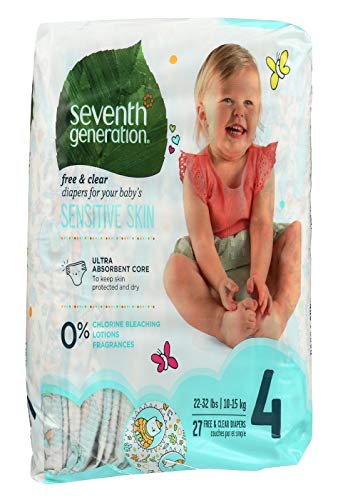
For disposables, parents who want fragrance-free options often look at Seventh Generation Free & Clear Baby Diapers, which the brand describes as made without added fragrance or lotion. View on Amazon
Check current ingredient and certification details on any product before purchase, since formulas and labels change over time.
FAQ
Are cloth diapers really better for the environment than disposables?
In terms of solid waste, yes. Cloth diapers are reused, so they keep far fewer single-use products out of landfill. Cloth does use water and energy for washing, so the overall footprint depends on how efficiently you launder. Using cold or warm water, washing full loads, and line drying can reduce the impact considerably.
Can I use cloth diapers for newborns?
Yes, but newborns need frequent changes and small, well-fitting diapers. Many parents start with a size designed for newborns or use a folded prefold. Our guide on Cloth Diapers for Infants: A Step-by-Step Guide for New Parents covers sizing and early routines. Consult your pediatrician if you have questions about your newborn’s skin or feeding-related diaper output.
Do cloth diapers cause more rashes than disposables?
Not inherently. Rashes can occur with either option. Cloth-related rashes often come from detergent residue or poor rinsing, while disposable-related rashes can come from fragrance, moisture, or infrequent changes. If your baby develops a rash that does not improve with changes and basic care, contact your pediatrician.
Is it hard to switch from disposable to cloth diapers midway?
Many families switch at a later stage, and it is common to start with a hybrid routine. Start with a few days of cloth at home, adjust your washing setup, and expand from there. Our article on Cloth Diapering for Beginners: How Cloth Diapers Work is a good place to begin.
What is the best way to store dirty cloth diapers?
Use a dry pail with a lid or a breathable hamper, and empty it at least every two to three days. Avoid airtight containers that trap moisture and encourage odor. Hygienic Storage for Dirty Cloth Diapers explains the options in more detail.
Conclusion
When you weigh cloth diapers or disposable options side by side, cloth wins on waste reduction, ingredient transparency, and long-term value, while disposables win on convenience and travel. The right choice depends on your laundry capacity, your schedule, and how much weight you give to environmental impact versus simplicity. Many families find that a hybrid routine offers the best balance. Whichever you choose, pay attention to your baby’s skin, check labels and certifications, and talk with your pediatrician if rashes or other concerns come up.
Related reading
- Types of Cloth Diapers
- Solving Common Cloth Diaper Leaks and Odors
- Setting Up a Cloth Diaper Changing Station at Home
- Proper Methods for Drying Cloth Diapers

About Graham Palmer
Graham focuses on practical advice for natural & eco parenting: what matters before you buy, what to skip, and how to get more out of what you already own.