 By Ethan Brooks
Updated November 2026
If you want to switch to cloth diapers eco-friendly benefits are the main reason most families make the change, and they are easier to measure than many green claims. This guide explains where the environmental savings come from, what you give up or gain, and how to start in a way that actually sticks. Each benefit below is tied to a specific habit, so you can judge whether it fits your household.
Where the Environmental Savings Come From
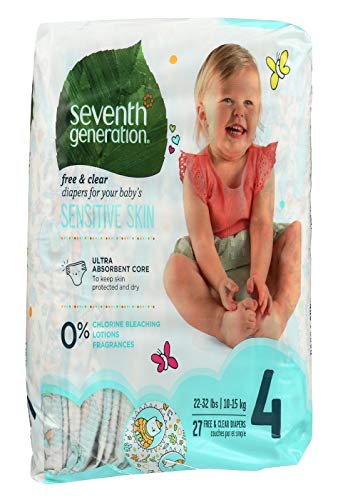
A baby can go through roughly 6,000 to 8,000 disposable diapers before toilet training, and most of them end up in landfill. Disposables are typically made from wood pulp, super-absorbent polymer, polyethylene plastic and adhesives, and they do not break down in any useful timeframe. Reusable cloth diapers replace that single-use stream with a set of fabric you wash and wear again and again.
Shopping for one? See our guide: Cloth Diapers or Disposable (2026): Which Is Better for Your Baby?.
The savings are not automatic, though. The environmental footprint of cloth depends heavily on how you wash and dry them. Water heating and dryer use are the biggest variables, so the benefit is strongest when you line dry and wash in full loads.
Benefits You Can Realistically Expect
- Less landfill waste. One set of diapers can replace thousands of disposables over the diapering years.
- Fewer raw materials. You avoid the continuous production of pulp, plastic and polymer that disposables require.
- Reusable for multiple children. Good-quality covers and inserts often pass to siblings or other families.
- Fewer packaging and shipping cycles. You buy a starter set once, rather than restocking boxes every few weeks.
- Easier ingredient control. You choose the fabrics and the detergent, instead of relying on a long list of undisclosed components.
- Lower chemical exposure in the diaper itself. Many parents prefer cotton, bamboo or hemp layers that are not treated with fragrance.
How to Make the Switch Work
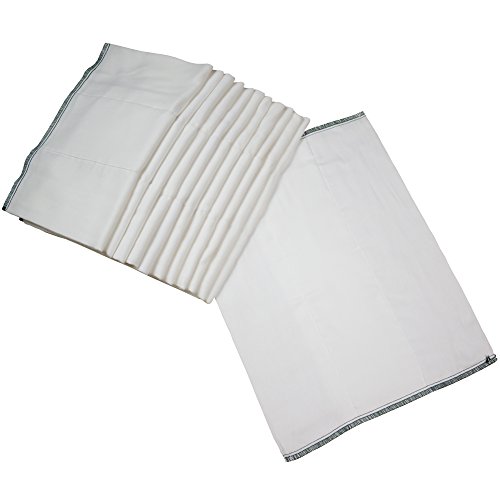
Start with a small, practical setup rather than buying an entire wardrobe at once. Most families do well with 18 to 24 diapers for a newborn, then add or adjust once they know how often their baby wets and soils. Read the guide on Types of Cloth Diapers to compare pocket, all-in-one and prefold styles before you commit.
Step 1: Pick a laundry routine you can keep
- Plan a wash every two to three days for a newborn, and every two days once your baby is older.
- Use a hot pre-rinse without detergent, then a hot main wash with a cloth-safe detergent.
- Check the detergent for “no fragrance” or “no optical brighteners” on the label, and avoid fabric softener.
For a detailed washing sequence, see How to Wash Cloth Diapers and How to Rinse Cloth Diapers Properly: A Step-by-Step Guide.
Step 2: Set up storage and drying
Store soiled diapers in a closed, ventilated pail so they do not stay damp for long. For drying, a clothesline or drying rack preserves elastic and fabric life and uses no electricity. Follow Proper Methods for Drying Cloth Diapers for sun-drying tips and how to avoid stiff, crunchy fabric.
Balancing Eco Benefits With Practical Limits
Cloth is not zero-impact. Water use and energy for washing add up, and some families still use disposables for overnight or travel. Many parents find a hybrid approach works, and that is still a meaningful reduction. If you are choosing a detergent, How to Choose an Eco-Friendly Laundry Detergent for Babies explains which certifications and ingredient lists to check.
Common Mistakes to Avoid
- Washing in cold water only, which can leave soils and odors behind.
- Using fabric softener or dryer sheets, which coat fibers and reduce absorbency.
- Overloading the washer, so the diapers do not rinse fully.
- Storing damp diapers in a sealed bin for days, which invites mold.
- Buying a large set before you know your baby’s wetting pattern.
Recommended Gear
- A wet bag keeps soiled diapers contained between changes and in your bag, and it washes along with the load. View on Amazon
- A stainless or fabric diaper pail with a lid helps control odor in the nursery or bathroom. View on Amazon
- A drying rack for indoor or outdoor use lets you line dry without relying on the dryer. View on Amazon
FAQ
Are cloth diapers really better for the environment than disposables?
Generally, yes, because reusable diapers avoid thousands of single-use items going to landfill. The benefit is smaller if you wash in hot water and dry in a dryer every time, so line drying helps.
How many cloth diapers do I need to start?
Most families begin with about 18 to 24 diapers for a newborn, plus enough covers and inserts for a wash cycle. Adjust once you see how often your baby needs changes.
Do cloth diapers cause more diaper rash?
Not usually, when they are clean and fully dry, and when you change them promptly. Persistent rash should be checked by your pediatrician, since it can have other causes.
Conclusion
Switching to cloth can cut landfill waste, reduce the materials used in each diaper and give you more control over what touches your baby’s skin. The benefits depend on your washing and drying habits, so build a routine you can sustain. Start small, track what works, and adjust as your baby grows.
Ready to choose one?
About Ethan Brooks
Ethan Brooks is part of our editorial team and reviews and edits our natural & eco parenting guides, checking product details against manufacturer specifications and owner feedback.