 By Ethan Brooks
Updated November 2026
A tl care organic crib mattress pad protects your baby’s mattress from spills and leaks while keeping the sleep surface clean and free of harsh chemical residues. This guide walks you through the care routine that keeps the pad working well: how to read the label, wash and dry it without breaking down the materials, handle spot stains, and store it between uses. Follow these steps and you will extend the life of the pad and keep the sleep area as clean as you intended when you bought it.
Start With the Care Label and Manufacturer Instructions
Every organic pad comes with its own care rules, and the manufacturer’s instructions outrank general advice. Before the first wash, find the label (often sewn into a corner or along an edge) and note the recommended water temperature, drying method and any bleach restrictions. Keep the packaging or the care card, too, since it may list warranty terms that depend on following the instructions.
Shopping for one? See our guide: Naturepedic Organic Waterproof Crib Mattress Pad Review: Is It Worth It?.
Organic cotton and natural fiber covers often shrink or lose their water resistance if they are washed too hot or dried too aggressively. The care steps below reflect common manufacturer guidance, but treat them as a baseline and adjust to what your specific pad specifies.
What to Look For on the Label
- Maximum wash temperature (commonly listed as cold or warm)
- Whether bleach, fabric softener or chlorine products are prohibited
- Drying instructions, including whether tumble drying on low is allowed
- Any note about the waterproof layer, such as avoiding high heat on the backing
- Whether the cover is removable or the entire pad must be washed together
How to Wash a Tl Care Organic Crib Mattress Pad
Washing is where most damage happens, so a gentle, consistent routine matters more than any single product. Plan to wash the pad when it is soiled, and at least once every few weeks even if it looks clean, because body oils and milk residue build up over time.
Step-by-Step Washing Routine
- Remove any loose debris and check for stains before washing.
- Pre-treat stains with cold water and a small amount of a gentle, fragrance-free, plant-based detergent. Let it sit for 10 to 15 minutes.
- Wash on a gentle or delicate cycle using cold or warm water, following the temperature on the label.
- Use a mild, unscented, plant-based detergent at the lowest effective dose. Using too much detergent can leave residue that affects absorbency.
- Skip fabric softener, dryer sheets and chlorine bleach. These can coat fibers and weaken waterproof layers.
- Run an extra rinse cycle if your machine allows it, so detergent residue is fully removed.
Tools and Supplies Needed
| Item | Purpose |
|---|---|
| Gentle, fragrance-free detergent | Cleans without leaving scented or synthetic residue |
| Soft-bristle brush or clean cloth | Works stains gently without roughing up the surface |
| Mesh laundry bag (optional) | Protects the pad from snagging on the drum |
| Clean towels | Helps press out moisture before drying |
| Enzyme-based stain remover (optional) | Breaks down protein stains such as milk and spit-up |
Drying Your Organic Crib Pad Without Damage
Heat is the biggest enemy of most waterproof crib pads. High dryer temperatures can warp the backing, shrink natural fibers and reduce the performance of the protective layer. Air drying is the safest option whenever you can manage it.
Air Drying Steps
- Gently squeeze out excess water. Avoid wringing hard, which can stretch the seams.
- Lay the pad flat on a clean towel, or hang it over a drying rack in a shaded, ventilated spot.
- Flip it every few hours so moisture does not pool in one area.
- Allow it to dry completely before putting it back on the crib. Trapped moisture can encourage mildew.
If You Use a Dryer
If the label permits machine drying, choose the lowest heat setting or an air-only cycle. Remove the pad while it is still slightly damp and finish drying flat. Never use a high-heat setting, since this is the most common way waterproof layers begin to crack or peel.
Spot Cleaning and Stain Removal
You do not always need a full wash. For small spills, spot cleaning keeps the rest of the pad in good shape and reduces how often it goes through the machine.
- Blot liquids immediately with a clean, dry cloth. Rubbing spreads the stain and pushes it deeper.
- Dab the area with cool water and a drop of mild, plant-based soap on a soft cloth.
- Rinse by dabbing with a damp cloth, then pat dry.
- For dried milk or formula, soak the spot in cold water before applying soap, since heat sets proteins.
- Air dry the spot completely before the baby uses the crib again.
Storing and Protecting the Pad Between Uses
If you are storing a pad between children or during a move, keep it clean, fully dry and away from moisture. Store it in a breathable cotton bag rather than sealed plastic, which can trap humidity and encourage mildew. Keep it in a cool, dry room and avoid direct sunlight, which can fade fabrics and degrade materials over time.
Before storing, wash the pad according to the label, then dry it completely. Storing a pad that still holds moisture or residue is one of the most common reasons secondhand pads develop odors.
Recommended Gear
Choosing the right supplies makes the care routine simpler and helps protect the pad’s materials.
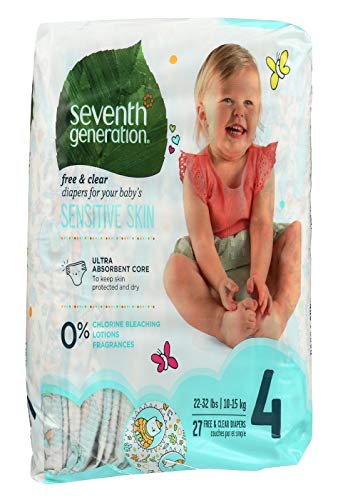
- Seventh Generation Free and Clear Laundry Detergent: A fragrance-free, plant-based option that suits the gentle washing approach most organic pads require. View on Amazon
- Mesh laundry bags: These protect the pad from snags and reduce wear on the cover during machine washing. View on Amazon
- Enzyme stain remover: Useful for breaking down milk and formula proteins before washing. View on Amazon
Common Mistakes to Avoid
- Washing in hot water, which can shrink fibers and damage the waterproof layer.
- Using chlorine bleach or fabric softener, both of which can leave residue or coat the fabric.
- Drying on high heat, which is the most frequent cause of backing damage.
- Letting wet pads sit in a machine or laundry basket, which encourages mildew.
- Using too much detergent, which can build up and affect absorbency.
- Skipping the label and assuming all organic pads wash the same way.
Tips for Keeping the Pad in Good Condition
- Keep a spare pad so you can wash and fully dry one without leaving the crib bare.
- Check seams and edges regularly for loose threads or lifting material.
- Replace the pad if the waterproof layer cracks, peels or no longer repels liquid.
- Wash new pads once before first use, as the manufacturer directs, to remove any manufacturing residue.
- Make a simple washing schedule so the pad never goes too long between cleanings.
If you are comparing different organic pads or want to understand how materials affect care, you may find Organic Cotton Waterproof Crib Mattress Pad: How to Choose and Use One Safely helpful for background on fabric choices. For a broader look at how a pad fits into a safe sleep setup, Organic Mattress for Crib: A Step-by-Step Guide to Safe Sleep (2026) covers the bigger picture. Readers weighing materials side by side may also appreciate Organic vs Non Organic Crib Mattress: How to Choose the Safer Option (2026), and anyone with a Naturepedic pad can review Naturepedic Organic Crib Mattress Pad: How to Choose and Use One Safely (2026).
FAQ
Can I machine wash my organic crib pad?
Most organic crib pads can be machine washed on a gentle cycle in cold or warm water, but you should always check the label first. Some models have specific temperature limits or restrictions on drying that override general guidance.
How often should I wash the pad?
Wash it whenever it is soiled, and at least every few weeks even if it looks clean. Regular washing keeps body oils and milk residue from building up on the surface.
Can I use bleach to whiten or disinfect it?
Chlorine bleach is generally not recommended for organic pads, as it can damage fibers and waterproof layers. Check the care label, and if disinfecting is needed, follow the manufacturer’s guidance or consult the brand directly.
Is it safe to use a dryer on my pad?
Only if the label allows it, and then only on the lowest heat or an air-only setting. Air drying is the safest choice because high heat can warp backings and shrink fabrics.
What if the waterproof layer starts to peel?
Stop using the pad if the waterproof layer cracks, peels or no longer repels liquid, since it may no longer protect the mattress. Contact the manufacturer for guidance on replacement or warranty options.
Can I use fabric softener to keep it soft?
It is best to avoid fabric softener, as it can leave a coating on fibers that reduces absorbency and may affect the waterproof layer. A gentle wash and thorough rinse usually keep the pad comfortable without it.
How do I know when to replace the pad?
Replace the pad when the waterproof barrier is damaged, when stains or odors persist after proper washing, or when the surface feels stiff or broken down. If you have concerns about materials or safety, consult the manufacturer or a pediatric professional.
Conclusion
Caring for a tl care organic crib mattress pad comes down to three habits: follow the label, wash gently and dry carefully. Spot clean small spills quickly, store the pad clean and dry, and replace it when the waterproof layer no longer performs. A consistent routine keeps the sleep surface fresh and helps the pad last as long as it should.
Ready to choose one?
About Ethan Brooks
Ethan Brooks is part of our editorial team and reviews and edits our natural & eco parenting guides, checking product details against manufacturer specifications and owner feedback.